


There’s a quiet kind of misery that comes with heels so cracked they snag on bed sheets. You don’t need a spa day; you need a product that actually softens the skin and stays put long enough to do its job. The right foot lotion for cracked heels depends on what’s breaking down your skin in the first place, whether that’s cold weather, open shoes, or thick calluses that won’t budge. This roundup covers six formulas that approach the problem differently, from heavy-duty urea sticks to lighter botanical balms.
An Overview Of The Picks

Aquaphor Advanced Therapy Healing Ointment, 3-Pack

L’OCCITANE 15% Organic Shea Butter Foot Cream

Earth Therapeutics Tea Tree Oil Foot Balm 6 Oz
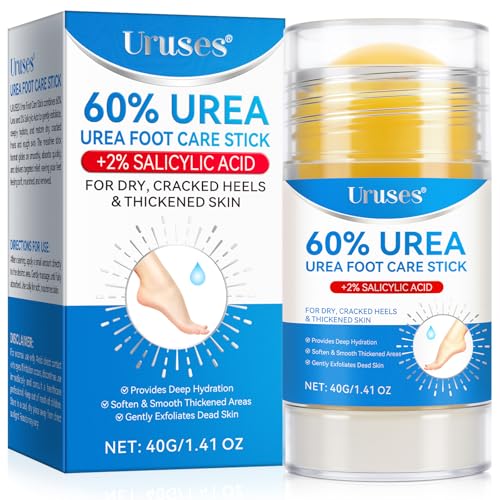
Uruses Urea Cream 60% + Salicylic Acid Stick

REBODUM Urea 60% + Salicylic Acid Foot Cream 1.4oz

REBODUM Heel Balm Stick with Manuka Honey & Shea Butter
What To Look For Before Choosing A Foot Lotion For Cracked Heels
Not every cracked heel needs the same fix. Some heels are dry but relatively smooth, while others have thick, yellowed calluses that need to be softened before any cream can penetrate. Understanding what your heels actually need helps you avoid wasting money on a product that’s too gentle, or too aggressive, for your situation.
Understanding Urea And Salicylic Acid Strengths
Urea is a keratolytic ingredient, meaning it breaks down keratin, the protein that makes up thick skin. Low concentrations (10-20%) hydrate, while high concentrations (40-60%) actively dissolve calluses. Salicylic acid works similarly by softening the bonds between dead skin cells. If your heels are mildly rough, a gentle moisturizer like Aquaphor Healing Ointment or L’OCCITANE Shea Butter Foot Cream is enough. For thick, fissured heels, you’ll want the chemical-exfoliating power of a 60% urea stick.
Considering Texture And Lifestyle Fit
Texture matters more than people expect. Rich ointments stay in place under socks at night, which works well for a dedicated repair routine. Lighter creams absorb fast and feel invisible under sandals, which matters if you want to apply during the day. Solid balm sticks, like the REBODUM Heel Balm, fall in between: they glide on without dripping and travel easily in a gym bag. For most people, the honest read is that texture preference often decides which product gets used consistently.
Matching Ingredients To Your Skin Type
Sensitive feet or eczema-prone skin usually do better with fragrance-free formulas and minimal ingredient lists. Botanical formulas with tea tree, aloe, or chamomile appeal to people who want plant-based ingredients and a lighter feel. Heel fissures that are deep or painful may need the medical-grade strength of a urea-and-salicylic-acid product, used cautiously because those ingredients can sting on raw skin.
Key Differences Between The Picks
This category splits into three broad approaches. Pure moisturizers like Aquaphor and L’OCCITANE focus on barrier repair and hydration without exfoliating. Botanical formulas like Earth Therapeutics add soothing plant extracts to a softer moisturizing base. Treatment sticks like the Uruses and REBODUM options combine heavy-duty exfoliation with a portable format for people who want a more clinical fix.
The Details Behind The Selections
Aquaphor isn’t a foot cream in the traditional sense, and that’s exactly why it earns a spot here. This petrolatum-based ointment works as an occlusive, meaning it seals moisture into the skin rather than adding water-soluble hydration. For heels that are cracked and raw, that barrier approach can be more effective than lotions that absorb and evaporate within an hour.
The 3 x 1.75 oz tube format makes sense for a household product you might also use on lips, cuticles, and dry patches elsewhere. Compared to the L’OCCITANE foot cream reviewed next, Aquaphor trades elegance for staying power; it sits on top of the skin all night under socks, which is when the real repair work happens for most people.
Reasons It Performs
- Petrolatum-based formula locks moisture into cracked skin rather than just coating the surface
- Multipack format means you keep a tube at home, in a gym bag, and at a partner’s place without restocking constantly
- Versatile enough to use on heels, lips, cuticles, and minor scrapes without switching products
- Fragrance-free formula suits sensitive skin that reacts to botanical oils or added scents
Things To Consider
- Greasy texture transfers onto sheets and socks, which is a feature for repair but a nuisance for daytime wear
- Won’t dissolve thick calluses the way a urea-based stick can, so deep heel fissures may need pairing with exfoliation
- Tubes can feel fiddly one-handed compared to a pump or stick format when your hands are slippery from cream
Feature Snapshot
Who It Suits Best
People with mildly dry heels who want one reliable product to share across heels, lips, and rough patches, especially anyone who applies treatment at bedtime under cotton socks.
Where Another Pick Suits Better
For thick, callus-heavy heels that need active exfoliation, the Uruses Urea Cream 60% stick offers a more targeted approach.
The appeal of L’OCCITANE’s Karité Confort foot cream is the texture. It promises a non-greasy finish despite a 15% organic shea butter base, which sounds contradictory but reads as true to anyone who’s tried the brand. The cream absorbs quickly, leaving skin soft without a waxy film, which makes it usable during the day under shoes or sandals.
This is a daily-care product rather than a crisis-care product. Where Aquaphor sits on the skin all night, L’OCCITANE sinks in within minutes. For someone whose heels are dry but not fissured, and who wants a cream that fits into a morning routine without slowing them down, that’s a meaningful trade.
Real Benefits
- 15% organic shea butter delivers concentrated fatty acids that soften rough patches without heavy residue
- Fast-absorbing texture means you can apply in the morning and wear sandals or shoes shortly after
- Vegan formulation appeals to shoppers avoiding animal-derived ingredients like lanolin or beeswax
- Light botanical scent makes application feel like a small ritual rather than a clinical chore
Worth Noting
- 15% shea butter hydrates but doesn’t actively dissolve calluses, so thick heels may need an exfoliating partner product
- Premium positioning means a smaller jar for the price than basic drugstore options
- The light fragrance, while pleasant, may bother anyone with very reactive skin or scent sensitivities
Best Suited To
People who want a luxurious daily moisturizer for mildly dry heels, particularly those who apply in the morning and need socks or shoes to feel comfortable within minutes.
Consider Something Else When
For heels with deep cracks that need overnight barrier protection, Aquaphor Healing Ointment stays put more reliably under socks.
Earth Therapeutics takes a herbal angle, blending Australian tea tree oil with aloe vera and chamomile. Tea tree has a long history in foot care for its association with soothing irritated skin, and combined with aloe’s cooling quality and chamomile’s calming reputation, the formula leans into a more botanical experience than the heavier options earlier in this list.
The 6 oz size is generous for the price point, which makes it a practical pick for households where multiple people treat their feet, or for anyone who applies foot balm generously after showers. Compared to the urea-based sticks reviewed later, this formula softens gradually rather than dissolving calluses aggressively.
Strong Points
- Tea tree oil, aloe, and chamomile trio creates a soothing, herbal profile for tired or irritated feet
- Larger 6 oz jar offers more product per dollar than typical boutique foot creams
- Massage-friendly texture encourages the kind of foot rub that also boosts circulation after a long day
- Botanical ingredient list appeals to shoppers avoiding petrolatum or heavy synthetic occlusives
Points To Note
- Tea tree oil can be irritating on freshly cracked or raw heels, so sensitive skin should patch-test first
- Herbal aroma is noticeable and won’t appeal to people who prefer unscented body care
- Lacks the active exfoliating power of urea or salicylic acid, so thick calluses need extra work
Right Fit For
People whose feet feel sore and tired at the end of the day and who appreciate a botanical, massage-style routine over a clinical treatment approach.
Look Elsewhere When
For thick, painful heel calluses that need chemical exfoliation, the Uruses Urea Cream 60% stick is built for that specific job.
The Uruses stick combines 60% urea with 2% salicylic acid in a glide-on format that feels unusual if you’ve only ever used lotions. Urea at that concentration is a serious keratolytic, meaning it actively breaks down the thick keratin layer that builds up on heels and balls of the feet. The salicylic acid adds a second exfoliating pathway, softening the bonds between dead skin cells so they shed faster.
This is the heavy-duty pick in the roundup for a reason. Where the Aquaphor and L’OCCITANE formulas hydrate, this one peels. The stick format also makes application less wasteful and less messy than scooping cream from a jar with greasy hands.
What Makes Sense
- 60% urea concentration actively dissolves thick calluses rather than just softening them superficially
- 2% salicylic acid boosts exfoliation, helping rough patches shed faster
- Stick format glides on without greasy fingers and travels well in a gym or work bag
- Works on heels, knees, elbows, and hands for shoppers who want one multi-zone product
Honest Caveats
- High urea concentration can sting on freshly cracked or bleeding fissures; you may find the first few applications uncomfortable
- Active exfoliation means daily sunscreen consideration if heels are exposed, though most users apply at night
- Smaller stick size means frequent replacement for daily users treating both feet consistently
Who Should Grab It
People with thick, yellowed calluses or rough patches that haven’t responded to regular moisturizers, particularly those comfortable with a more clinical-strength approach.
Skip It When
For sensitive skin or freshly cracked heels that need gentle hydration first, the Earth Therapeutics Tea Tree Foot Balm offers a softer botanical entry point.
REBODUM’s 1.4 oz cream is the cream-format sibling to the stick-format Uruses product reviewed above. It carries the same 60% urea and 2% salicylic acid pairing, but in a tube that dispenses a traditional lotion texture. The cream spreads over the foot more evenly than a stick, which some people prefer when covering large areas like both heels and the balls of the feet.
The trade-off is mess. A cream at this strength transfers onto socks and sheets, so it’s typically a bedtime-only product. Where L’OCCITANE absorbs invisibly, this one sits visibly on the skin doing its work overnight.
What Works In Its Favor
- Cream texture spreads across heels, sides of feet, and callused areas more evenly than a stick
- Same 60% urea and 2% salicylic acid strength as the Uruses stick for consistent treatment results
- 1.4 oz size is portable enough for a week of nightly treatments while traveling
- Positioned as a targeted repair product for cracked heels rather than a general moisturizer
A Few Limitations
- Cream format transfers onto socks and bedding, so it’s effectively a nighttime-only product for most users
- Maximum-strength ingredients can irritate sensitive skin or freshly broken fissures during early use
- Smaller tube than the Earth Therapeutics jar means you’ll repurchase sooner with regular application
Made For
People with painful, deeply cracked heels who want a cream-format exfoliating treatment to use nightly under socks until the skin recovers.
Not Your Match When
For a daytime-friendly, non-greasy moisture routine, the L’OCCITANE Shea Butter Foot Cream absorbs cleanly enough to wear sandals.
The REBODUM Heel Balm takes a different angle than the urea-heavy products earlier in this list. It focuses on hydration and comfort through manuka honey and shea butter, supported by aloe vera, green tea, and chamomile, all in a solid balm stick that glides on without a jar or tube. The format alone solves a common ownership problem: digging fingers into a tub of cream with greasy hands.
Where this pick earns its place is the mess-free travel angle. A solid stick fits in a carry-on, doesn’t leak, and applies without residue on your palms. It’s positioned for dry indoor environments and colder seasons, which is when most people notice their heels worsening.
Positive Takeaways
- Solid stick format eliminates the jar-and-fingers mess common with traditional foot creams
- Manuka honey and shea butter duo delivers rich hydration with a non-greasy finish
- Aloe, green tea, and chamomile add a calming, botanical layer for sensitive skin
- Travel-friendly design fits in a gym bag or carry-on without leaking or spilling
Points To Keep In Mind
- Hydrating formula doesn’t actively dissolve thick calluses, so heavily keratinized heels may need a urea stick alongside
- Solid balm texture can feel draggy on very rough skin, requiring several passes to deposit enough product
- Botanical ingredient list is longer than minimal formulas, which may concern shoppers preferring the shortest possible ingredient deck
Feature Snapshot
Perfect Match For
Travelers, office workers, and anyone in dry indoor climates who wants a portable balm that keeps heels comfortable without the stickiness of an ointment.
Reach For A Different Pick When
For thick, painful calluses that need chemical exfoliation, the Uruses Urea Cream 60% stick targets that specific problem with stronger keratolytic ingredients.
Building A Routine That Actually Works
The best results come from pairing a heavy-duty treatment with a daily maintenance product. Many people in this category find that applying a urea stick two or three nights a week, then layering Aquaphor or shea butter cream on the other nights, beats using any single product alone.
Where Shoppers Go Wrong
The most common mistake is expecting one cream to fix everything. A hydrating lotion won’t dissolve calluses, and an exfoliating stick won’t moisturize deeply enough on its own. Watch for formulas that promise both without strong concentrations of either; they tend to underdeliver on both jobs.
When Paying More Pays Off
Premium picks like L’OCCITANE cost more per ounce, but the texture and ingredient quality often mean you use less per application. For shoppers who care about a pleasant daily routine rather than purely clinical results, that upgrade has real value. If your heels are severely cracked, though, spending more on a gentle moisturizer is wasted; the higher tier earns its price through active exfoliating ingredients, not luxury scents.
Frequently Asked Questions
How often should I apply foot lotion for cracked heels?
Most foot creams work best when applied once or twice daily, ideally after a shower and before bed. Treatment sticks with high urea concentrations are typically used two to three nights per week rather than daily, since the active ingredients do cumulative work.
Can I use regular body lotion on cracked heels?
Regular body lotion is usually too thin to penetrate thick heel skin. Foot-specific formulas contain higher concentrations of occlusive or keratolytic ingredients designed for the thicker skin on your feet, which is why a dedicated product usually works better.
Are urea foot creams safe for sensitive skin?
Urea at low concentrations (10-20%) is generally well tolerated, but concentrations of 40% and above can sting on raw or cracked skin. Patch-testing on a small area first helps you gauge tolerance before applying across both heels.
How long does it take to see results on cracked heels?
Most people notice softer skin within a week of consistent use, though deeply cracked heels may take several weeks of nightly treatment to fully repair. Consistency matters more than the specific product for most mild to moderate cases.
Should I exfoliate before applying foot lotion?
Light exfoliation with a pumice stone or foot file, done before applying lotion, helps moisturizers penetrate more effectively. Skip exfoliation on broken or bleeding fissures, since that can worsen irritation and slow healing.
Final Verdict
Cracked heels respond best to a routine matched to the actual condition of your skin. For gentle daily moisture, Aquaphor or L’OCCITANE keep things simple. For herbal comfort, Earth Therapeutics fits the bill. For thick calluses that need dissolving, the urea sticks from Uruses and REBODUM do the heavy lifting. The REBODUM balm stick rounds out the list for anyone wanting portability without mess. Pick the product that matches your heels today, then adjust as the skin recovers.