


Your feet take a beating every single day, from morning commutes to long shifts on hard floors. Good foot care isn’t vanity; it’s the kind of maintenance that keeps you moving comfortably, whether you’re chasing kids or running a half marathon. The right mix of tools and creams can turn a rough, cracked mess into something you’re actually willing to show off in sandals. This list rounds up spa-style kits, manual clippers, callus shavers, and rich moisturizers so you can build a routine that actually fits your life.
A Fast Comparison Of The Options

VOESH Pedi in a Box Ultimate 6-Step Home Pedicure Kit

Cala Nail Clipper with File
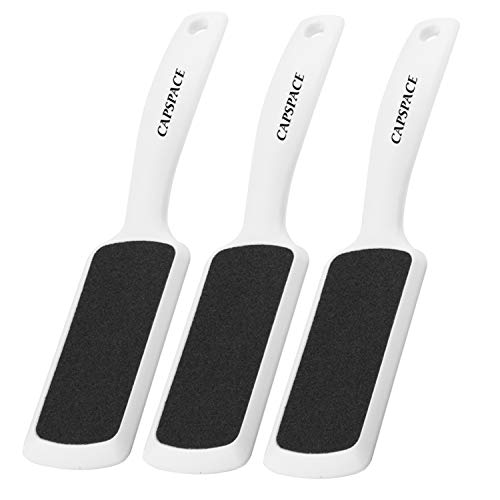
Capspace 3-Pack Foot File Callus Remover
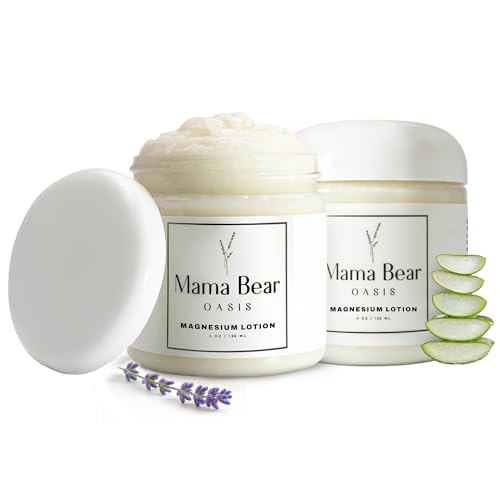
Mama Bear Oasis Magnesium Foot Cream (Pack of 2)

REBODUM Urea 60% + Salicylic Acid Foot Balm Stick

REBODUM Heel Balm Stick with Manuka Honey & Shea Butter
What Each Pick Brings To The Table
For anyone who treats pedicures like a form of therapy, this kit collapses the salon visit into a single box. It’s structured around six steps, so you don’t have to guess what’s missing when you pull it out on a Sunday evening. Each product layer builds on the last, moving from soak to scrub to softening lotion.
Compared with the bare-bones clippers we’ll see later, this is a complete ritual. The trade-off is that it isn’t a tool you’ll reuse for years; it’s a consumable experience. People who treat self-care as an event rather than a chore tend to appreciate the structure most.
What Earns Its Place
- Six-step format removes guesswork for pedicure newbies.
- Compact box works well for small spaces or travel.
- Layered formulas leave heels feeling noticeably softer in one session.
- Spa lovers get the full ritual without leaving home.
Points To Keep In Mind
- Single-use packaging means you’ll reorder often with regular use.
- Not the right pick if you just want a quick trim or basic callus work.
Who It Suits Best
Gift-givers and anyone who wants a guided at-home pedicure without juggling five separate products.
Look Elsewhere When
Pick the Cala clipper instead if you only need basic nail maintenance between full spa sessions.
Sometimes the smallest tool does the heaviest lifting. This stainless steel clipper trims nails cleanly across both fingers and toes, and the included file finishes the job by evening edges. The curved cutting edge helps prevent the jagged tears that lead to ingrown edges later.
Where the VOESH kit is about ceremony, this pick is about discipline. It slides into a bathroom drawer or travel pouch and stays sharp for years. For people who keep their routine simple and effective, that longevity matters more than anything fancy.
Everyday Perks
- Steel build holds its edge through years of regular trimming.
- Built-in file means one tool, not three.
- Small enough for a purse or gym bag.
Small Caveats
- No leverage extension for very thick toenails.
- Lacks the cushioning some users prefer for sensitive nails.
- Doesn’t address calluses or dry heels on its own.
Made For
Anyone wanting a no-fuss nail trim tool that stays sharp and lasts longer than drugstore alternatives.
Swap It Out When
The Capspace foot file set makes more sense if your main concern is rough heels rather than nail length.
If your heels look like they’ve seen a desert, this rasp set is the heavy hitter you reach for. The dual-sided surface scrapes away dead skin quickly, and three files in a pack means you always have a fresh one waiting while others dry. The handles have a built-in loop so you can hang them up after rinsing.
Used right after a warm shower, a single pass changes how your feet feel against bedsheets and sandals. The grit is more aggressive than the Cala clipper, so anyone with sensitive skin should take it slow. People who work on their feet all day tend to keep one in the bathroom permanently.
Strong Points
- Three-pack value keeps backups on hand through months of use.
- Works on wet or dry feet, fitting into existing routines.
- Hanging loop design speeds up drying and storage.
- Tackles stubborn calluses that lotions alone can’t soften.
Practical Considerations
- Grit may irritate very thin or sensitive skin.
- No cushioned grip for users with hand mobility issues.
Quick Facts
Whose Shelf It Belongs On
Runners, hospitality workers, and anyone whose heels build up thick calluses from daily wear.
Reach For A Different Pick When
The REBODUM urea balm stick is the better match if your heels are cracked and painful rather than just rough.
This cream trades heavy petrolatum for a lighter botanical blend, which makes it easier to build into a daily routine. The formula pairs magnesium chloride with arnica, aloe, MSM, lavender, and chamomile, and it absorbs without leaving a greasy film on socks. Two tubs in a pack keeps one bedside and one in the bathroom.
The lighter texture means it isn’t going to crack open a tough callus on its own; pair it with the Capspace file for real results. People who put their feet up at the end of a long day tend to love how quickly this sinks in.
The Good Stuff
- Fast-absorbing finish lets you put socks on within minutes.
- Botanical blend feels gentle on sensitive or reactive skin.
- Two-pack format means you never run out mid-routine.
- Works day or night, fitting around busy schedules.
Honest Caveats
- Lighter formula won’t dissolve thick calluses on its own.
- Fragrance from botanical oils may bother very scent-sensitive users.
Right Fit For
Anyone wanting nightly hydration without the sticky residue of heavier foot creams.
Consider Something Else When
The REBODUM urea stick is the stronger option for heels that need deep exfoliation along with moisture.
This stick swaps jars in a meaningful way. Urea is a keratolytic, meaning it softens and loosens hardened skin, while salicylic acid gently lifts dead cells away. The glide-on format means no greasy fingers and no wasted product on the bathroom counter.
High-percentage formulas like this one demand consistency. Apply it daily for a couple of weeks and the cracked skin starts to peel away on its own, revealing smoother heels underneath. It isn’t a one-and-done miracle; it’s the right tool for a focused repair cycle.
Reasons It Performs
- 60% urea targets thickened skin aggressively.
- Salicylic acid adds chemical exfoliation to physical buffing.
- Solid stick format keeps hands mess-free during application.
- Travel-friendly size fits easily in a gym or work bag.
Where It May Fall Short
- Not ideal for diabetics without prior consultation on active ingredients.
- Strong formula can sting freshly cracked or bleeding skin.
- Smaller 1.4oz size runs out fast with twice-daily use.
Feature Snapshot
Who Will Love This
People with stubborn cracked heels ready to commit to a focused multi-week repair routine.
Where A Sibling Pick Shines
The REBODUM balm stick is gentler if you want daily moisture rather than active repair treatment.
Where the urea stick repairs, this balm maintains. Manuka honey and shea butter bring deep hydration, while aloe, green tea, and chamomile soothe skin that gets beat up by dry winter air. The stick format keeps things tidy, and it doubles as a hand and elbow balm in a pinch.
This is the kind of product that lives on a nightstand and gets used without thinking. It’s milder than the urea option, so don’t expect dramatic overnight transformations. As everyday insurance against cracking, it earns its place in any routine.
The Case For It
- Multi-use formula works on feet, hands, and elbows.
- Solid format means no greasy hands or sticky counters.
- Botanical blend feels soothing on dry, reactive skin.
- Easy to layer with the urea stick on alternate applications.
Soft Spots
- Won’t dissolve heavy calluses on its own.
- Honey-derived scent may put off very fragrance-shy users.
Perfect Match For
Anyone wanting a gentle daily balm that handles dry feet and rough hands in a single product.
Not Your Match When
The Capspace rasp set suits better if thick callus buildup is your main concern over dryness.
What To Weigh Before Picking Foot Care Products
Building a routine starts with knowing what your feet actually need. A pedicure kit delivers ceremony but won’t hold up against a thick callus that needs physical work, while a clipper does nothing for dry skin. Match the tool to the problem rather than chasing every gadget on the shelf.
Active ingredients earn their keep on rough heels. Urea is a humectant, drawing moisture into skin while loosening hardened cells, and salicylic acid speeds up cell turnover for faster results. Botanical blends with shea butter and honey offer gentler maintenance once the worst of the damage is repaired.
Format matters more than people think. Balm sticks stay clean in transit, jars work well for heavier coverage at home, and tools like rasps demand drying space and routine cleaning. Pick formats that match how consistently you’ll actually use them; a perfect product you never reach for helps nobody.
Combine tools and creams for the strongest results. A callus file plus a urea balm outperforms either one alone, especially during a focused repair cycle. Build your set around the problem you see in the mirror today, then layer in daily maintenance products for the long haul.
Key Considerations Across These Picks
Wrong Turns To Avoid
Skipping exfoliation before moisturizing is the most common mistake. Creams sit on top of dead skin instead of penetrating, so they feel like they’re working without delivering real hydration. Use the Capspace rasp or a similar tool first, then seal everything in with a balm or cream.
Another trap is reaching for maximum-strength formulas when gentler options would do. High-percentage urea sticks sting freshly cracked skin, which discourages consistent use. Start with a lighter botanical cream and only escalate to clinical-strength formulas when the gentler product clearly isn’t keeping up.
When Paying More Pays Off
Higher-tier foot creams tend to pack more actives into their formulas, which shortens the time between starting treatment and seeing results. Spending a bit more up front often means using less product per session, since concentrated balms cover more area with each pass. The upgrade pays off most when you’re working on stubborn heel cracks rather than everyday maintenance.
Frequently Asked Questions
How often should you exfoliate your feet?
Most people do well with exfoliation two to three times per week, then daily moisturizing in between. Overdoing it strips healthy skin and makes heels more sensitive.
Is urea safe for daily foot creams?
Yes, low-percentage urea is common in daily moisturizers. The 60% stick featured here is stronger and better suited for short repair cycles rather than everyday use.
Can foot balms be used on hands too?
Many solid balm sticks are formulated for multi-use, working well on hands, feet, and elbows. Always check the label for skin-safe ingredients before applying elsewhere.
Do callus files work on cracked heels?
Files smooth the surrounding hard skin but should not be dragged across open cracks. Treat any bleeding or deep cracks with a balm first, then file around them gently.
Are home pedicure kits worth it?
For people who rarely visit salons, kits offer a structured routine in one box. They’re less useful if you only need a quick trim between professional appointments.
Closing Thoughts
The best foot care routine is the one you’ll actually repeat, whether that’s a Sunday-night spa kit or a two-minute file-and-cream habit. Start with your biggest pain point, build the rest around it, and let the products do the slow work over time.