


Tendonitis around the foot and ankle turns simple movement into a negotiation: stairs hurt, mornings feel stiff, and long walks leave you paying for them the next day. The right sleeve or stabilizer can take pressure off irritated tendons while keeping you mobile through work, workouts, and errands. This roundup walks through nine options worth your attention, from featherlight compression sleeves to structured braces for serious instability.
A Snapshot Of The Selections

TechWare Pro Ankle Brace Compression Sleeve

CEP Plantar Fasciitis Relief Support Sleeve

Sleeve Stars Ankle Brace Men & Women Support

Sleeve Stars Ankle Brace for Plantar Fasciitis Relief

Sleeve Stars Ankle Support for Ligament Damage
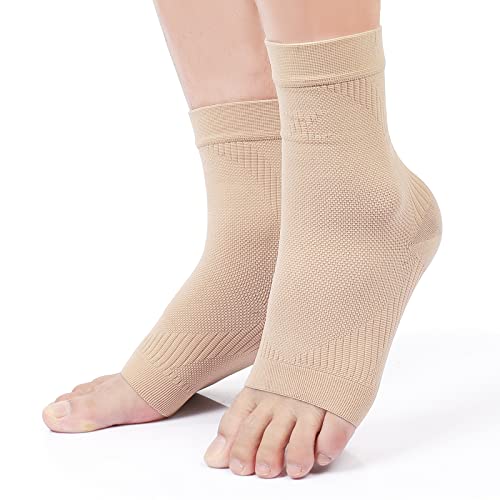
KEKING Ankle Brace Compression Sleeve

ZAMST A2-DX Ankle Brace

Quick Lace Up Ankle Brace with Removable Splints

Strassburg Sock Plantar Fasciitis Socks
A Breakdown Of The Leading Choices
The TechWare Pro sleeve is the kind of grab-and-go option that disappears inside a sneaker. It uses a thin knit with moisture-wicking fabric, so it pulls sweat away during long commutes or afternoon shifts without feeling damp or heavy. The fit runs snug around the Achilles tendon (the cord at the back of the ankle) and the plantar fascia (the band of tissue running along the bottom of the foot), giving you steady pressure where tendonitis tends to flare.
You get two sleeves in the bundle, which is helpful because the knit stretches out over months of wear. For most days at a desk or on your feet, this is the closest thing to wearing a brace without anyone noticing. It is less ideal for runners who need lateral stability, but for everyday support it covers the bases.
Everyday Perks
- Slim profile slips inside most shoes without crowding the toe box.
- Moisture-wicking knit stays drier than neoprene during long workdays.
- Compression targets the Achilles and arch, useful for tendonitis that flares mid-shift.
- Two-sleeve bundle means you rotate while one airs out.
- Light enough for desk work, walking meetings, or travel days.
Things To Consider
- The strong fit can feel too tight on swollen ankles until inflammation drops.
- Owners commonly report the knit losing rebound after several months of daily wear.
- No lateral stabilizer, so it is not the right tool for rolled-ankle prevention.
Who It Suits Best
Commuters and office workers managing Achilles or arch tendonitis who need a low-profile sleeve that fits under dress shoes and sneakers.
Where Another Pick Suits Better
The CEP Plantar Fasciitis Relief Support Sleeve suits athletes who want firmer, medical-grade compression during longer training sessions.
CEP builds athletic-grade compression gear, and the Plantar Fasciitis Relief Support Sleeve brings that same engineering to foot tendonitis. The knit uses a graduated compression profile, meaning pressure is firmest at the arch and loosens slightly toward the top, which encourages blood flow back up the leg. Unlike the TechWare Pro bundle above, this sleeve is sold as a pair with a tighter, more athletic feel.
Runners and court-sport players dealing with lingering Achilles or plantar fascia pain tend to gravitate here. It stabilizes the ankle joint during lateral cuts and dampens vibration on hard pavement. For pure recovery days, the same compression that helps during a workout also feels reassuring overnight or on travel days.
Real Benefits
- Graduated compression supports circulation during activity and recovery alike.
- Targeted arch knit reduces strain on inflamed plantar fascia tissue.
- Soft fabric holds up to repeated wash cycles without losing shape.
Trade-Offs
- The aggressive compression takes a few wears to get used to.
- Sizing runs narrow, so wide feet may need to size up.
Made For
Runners, court-sport players, and active adults who want firmer compression through training blocks rather than a soft everyday sleeve.
Skip It When
The TechWare Pro Compression Sleeve is the easier pick for shoppers who want a thinner, less aggressive feel for casual daily wear.
This Sleeve Stars brace is the entry point most shoppers meet first: a single sleeve with an adjustable support strap that wraps over the top of the foot. The strap lets you tune compression to match how swollen the ankle feels on a given day, which is handy when tendonitis pain shifts hour to hour. Compared with the CEP sleeve above, this one prioritizes a customizable fit over graduated athletic compression.
It works well for walkers, retail workers, and anyone easing back from a mild Achilles flare. The medium size covers roughly 10 to 12 inch ankle circumferences, so measure before ordering. For shoppers watching their wallet, this is a sensible first step before graduating to a more rigid stabilizer.
The Good Stuff
- Adjustable strap lets you tighten or loosen as swelling changes.
- Single-sleeve pricing keeps it accessible for first-time shoppers.
- Works under most sneakers without bunching at the heel.
- Fits a wide range of casual routines, from dog walks to grocery runs.
Worth Noting
- The strap can loosen during longer walks and needs occasional re-tightening.
- Less compression than the CEP sleeve, so it is not ideal for serious athletic recovery.
Right Fit For
Beginners managing mild tendonitis who want an affordable, adjustable sleeve before committing to a more specialized brace.
A Better Fit Elsewhere
The KEKING Ankle Brace Compression Sleeve is the smarter match for shoppers needing firmer graduated compression during long workdays.
This second Sleeve Stars option pairs the same adjustable strap system with built-in heel protectors, which are gel-style pads that cup the back of the heel inside the sleeve. The added padding softens impact when tendonitis meets hard floors, making the brace useful in kitchens, warehouses, and other settings where you stand on unforgiving surfaces for hours.
It covers the same routine as the single strap model above but adds a comfort layer that pure compression sleeves skip. For shoppers whose pain is concentrated at the heel and Achilles junction, this combo addresses both zones without strapping on a full brace. You will trade a slightly bulkier fit for that extra cushioning.
Everyday Wins
- Heel protectors absorb shock on tile, concrete, and hardwood.
- Adjustable strap customizes pressure over the arch.
- Useful for jobs that combine standing and short walking bursts.
Honest Caveats
- Bulkier than the basic Sleeve Stars sleeve, so it crowds tighter sneakers.
- Heel pads can shift out of place during longer shifts.
Best Suited To
Service industry and retail workers who stand on hard floors and need heel cushioning alongside compression.
Look Elsewhere When
The Strassburg Sock is a more restful match for shoppers wanting arch lift during evening hours and lighter overnight wear.
This third Sleeve Stars model leans into Achilles and ligament recovery with a compression strap built specifically for the back of the ankle. The strap placement mirrors taping techniques physical therapists use to off-load the Achilles tendon, so the support feels purposeful rather than generic. Compared with the heel-protector sleeve above, this one sacrifices cushioning for a tighter, more targeted wrap.
Recreational athletes returning from a mild sprain or Achilles flare tend to like the structured compression here. The knit breathes well enough for gym sessions, though it runs warmer than the TechWare Pro sleeve. If your pain points to the tendon more than the heel, this is the Sleeve Stars option to reach for first.
Reasons It Performs
- Compression strap aligns with taping methods used on Achilles tendonitis.
- Provides structure for early return-to-sport after mild sprains.
- Holds compression through longer walks and light jogs.
Points To Keep In Mind
- Runs warmer than thinner knit sleeves, so summer use may feel stuffy.
- Strap tension takes practice to get right on the first wear.
Whose Shelf It Belongs On
Returning athletes and active adults whose Achilles or ligament pain flares during workouts and needs a more focused wrap than a basic sleeve.
Swap It Out When
The ZAMST A2-DX suits shoppers recovering from heavier sprains who need rigid side stabilizers rather than fabric compression.
The KEKING sleeve pushes compression harder than most fabric-only options, with a graduated 20 to 30 mmHg knit (a standard medical compression range where higher numbers mean firmer pressure). That level reads as therapeutic rather than gentle, so it suits swollen ankles that need real encouragement for circulation. The knit also wraps the arch and heel to support both the plantar fascia and Achilles at once.
Compared with the lighter TechWare Pro sleeve reviewed earlier, KEKING is the firmer, more deliberate choice. It works well for standing-shift jobs, recovery days after long runs, or any window where inflammation is the dominant complaint. You will feel the compression on the first wear, and the fabric holds its pressure well through repeated washing.
A Strong Showing
- Graduated 20 to 30 mmHg compression supports circulation in swollen tissue.
- Supportive knit cradles both arch and heel in one sleeve.
- Useful for managing morning stiffness tied to Achilles inflammation.
- Holds shape and pressure through repeated wash cycles.
A Few Limitations
- Firmer feel may overwhelm shoppers wanting a softer everyday sleeve.
- Tighter knit can feel warm during summer walks.
Feature Snapshot
Who Should Grab It
Adults with stubborn swelling from Achilles or plantar fascia tendonitis who want a firmer therapeutic sleeve for workdays and recovery.
Not Your Match When
The Fitomo Quick Lace Up Ankle Brace is a smarter fit for shoppers who prefer lace-up adjustability over a fixed-pressure knit.
The ZAMST A2-DX is a different animal from the knit sleeves above. It uses a lace-up closure with rigid side stabilizers, plastic-reinforced panels that prevent the ankle from rolling side to side, making it the right tool for grade II and III sprains, peroneal tendonitis (irritation of the tendons running along the outside of the ankle), and chronic instability where simple compression fails to protect the joint.
This brace shines during early rehab, return-to-sport protocols, and long days on uneven ground. It is sold by side (right foot in this listing) and size, so take time to measure before ordering. Compared with the Sleeve Stars strap options, you trade softness for the kind of mechanical support a weak ankle actually needs.
Practical Advantages
- Rigid side stabilizers block the ankle from rolling during uneven terrain.
- Lace-up closure lets you fine-tune pressure across the foot and ankle.
- Built for heavy sprains and chronic instability rather than mild soreness.
- Suitable for return-to-sport protocols under professional guidance.
Room For Improvement
- Bulky profile crowds regular sneakers; athletic shoes fit better.
- Side-specific sizing means you must measure carefully before ordering.
Quick Facts
Perfect Match For
Adults recovering from heavy sprains or living with chronic ankle instability who need mechanical support rather than just compression.
Consider Something Else When
The Fitomo Quick Lace Up Ankle Brace is a lighter alternative for shoppers wanting lace-up adjustability without the A2-DX’s rigid stabilizer profile.
The Fitomo Quick Lace Up splits the difference between the soft sleeves and the rigid ZAMST brace above. It uses a lace-up closure with removable side splints, plastic stays that can be taken out as recovery progresses, so you can step down from structured support to lighter wear without buying a second brace. Sizing is based on the ankle circumference from heel to instep, with a chart ranging roughly from 9.5 inches (small) to 15 inches (XL).
That adjustability makes this brace useful for the middle of recovery, when you still want protection on busy days but do not need rigid panels for every errand. It works in most athletic shoes, though it runs slightly wider than the ZAMST. For shoppers who plan to wear a brace across multiple recovery phases, the removable splints save you from buying twice.
Strengths Worth Knowing
- Removable side splints let you scale support as recovery progresses.
- Lace-up closure offers precise tension control across the midfoot.
- Wide size range fits ankles from roughly 9.5 to 15 inches.
Potential Drawbacks
- Still bulkier than knit sleeves, so casual shoes may feel tight.
- Lacing takes longer to fit than pulling on a sleeve.
Key Product Details
Who Will Love This
Adults moving through mid-stage recovery who want lace-up support with the option to remove splints as strength returns.
Another Choice May Suit
The KEKING Compression Sleeve is a better match for shoppers wanting to skip lacing entirely and slip straight into a shoe.
The Strassburg Sock takes a different approach from everything above: it is designed to be worn while resting, often at night, with an adjustable strap that lifts the toe upward to gently stretch the calf and plantar fascia. That passive stretch keeps the tissue from tightening overnight, which is when the worst morning pain usually shows up. It is a companion to the more active braces on this list, not a replacement for them.
The sock portion uses compression knit to support the arch, and the strap lets you tune the stretch angle. It pairs well with daytime sleeves like the TechWare Pro for round-the-clock management. For shoppers whose worst pain lives in the first ten minutes of the morning, this is a low-effort way to start changing that pattern.
Strong Points
- Adjustable strap holds the foot in a gentle stretch while resting.
- Compression knit supports the arch during sleep and downtime.
- Useful for reducing the worst morning stiffness in plantar fascia and Achilles pain.
Less-Strong Areas
- Not designed for walking around, so it complements rather than replaces daytime braces.
- Strap adjustment can feel awkward at first until you find the right angle.
Built With In Mind
Shoppers whose worst tendonitis pain hits first thing in the morning and want a passive stretch during sleep to soften that first step.
Reach For A Different Pick When
The Sleeve Stars Heel Protector sleeve is a better fit for shoppers who need structured daytime support during long standing shifts.
How To Match The Right Brace To Your Tendonitis
Compression Strength And Where It Hits
Compression level matters more than fabric name. Light sleeves in the 15 to 20 mmHg range handle daily comfort and mild swelling, while graduated 20 to 30 mmHg knits like the KEKING sleeve push harder on stubborn inflammation. Match the compression to your worst hour: desk pain calls for lighter pressure, swelling after long shifts calls for graduated support.
Structure Versus Sleeve
Soft sleeves work when the ankle is stable but sore. The moment an ankle rolls on uneven ground or gives way on stairs, you need structure. The ZAMST A2-DX uses rigid side stabilizers for that job, while the Fitomo Quick Lace Up uses removable splints that scale back as recovery progresses. Pick structure when instability is part of the picture, not just pain.
Fit, Sizing, And Daily Wear
Measure before ordering. Sleeves that run too small cut off circulation, while oversized braces rub and slip during activity. Knit sleeves tend to stretch over months, so a snug first fit is fine. Lace-up and strap braces need a half inch of adjustability built in so you can respond to swelling changes through the day.
When To Add A Nighttime Option
Morning pain tells you the tendon tightened overnight. Daytime braces cannot fix that, which is where a passive stretch sock earns its place. Pairing a compression sleeve for daytime with the Strassburg Sock for sleep covers both halves of the cycle without doubling your gear.
Key Considerations Across These Picks
Common Shopping Slip Ups
Choosing a brace by sock size is a frequent mistake: ankle circumference, measured from the heel to the instep, is the number that actually predicts fit. Sizing up to chase comfort usually backfires, because oversized braces slide and rub during activity. Equally common is buying a rigid stabilizer when a soft sleeve would have done the job, leaving you with a clunky brace you never reach for.
What The Higher Tier Buys
Premium pricing in this category tends to buy engineered knit, better anatomical shaping, and stabilizers that survive repeated tightening. Medical-grade compression from brands like CEP costs more because the graduated knit holds its pressure through wash cycles, while entry-level sleeves often relax after a few months. The upgrade pays off when you wear the brace daily, not when it sits in a drawer most weeks.
Frequently Asked Questions
How tight should a foot brace for tendonitis feel?
A brace should feel snug without numbness or tingling. You want steady pressure that supports the tendon, not a tourniquet that cuts off feeling in the toes.
Can I wear a foot brace inside a regular shoe?
Slim knit sleeves fit inside most sneakers and casual shoes. Lace-up and rigid stabilizer braces typically need athletic shoes with enough room for the hardware.
Should I wear my brace all day?
Start with an hour or two and build up. Most shoppers settle into wearing a compression sleeve through active hours and switching to lighter or passive support at night.
Do foot braces actually help tendonitis heal?
Braces manage load and swelling so the tendon can recover. They are part of a plan that usually includes rest, gradual strengthening, and professional guidance when pain persists.
How do I clean a compression sleeve or brace?
Most knit sleeves do best with hand washing and air drying to protect the elastic. Lace-up braces with splints usually need the splints removed before washing the fabric shell.
Closing Remarks
Tendons respond best when load drops during the worst flares and builds back up gradually. A thin sleeve covers desk days, a graduated knit handles swelling, and a structured brace steps in when the ankle feels unstable. Pick the level that matches your worst hour, measure before ordering, and give any new brace a short trial run before committing to long days.