


Flat feet have a way of reminding you they exist right around mile three of a long shift, or the moment you stand up from a desk after lunch. The right insole doesn’t promise miracles, but it can shift how the rest of your day feels underfoot. I’ve sorted through seven options that cover different arches, shoes, and budgets, so you can match your feet to something that actually fits your routine.
The Shortlist At A Glance

IWELA WATER High Arch Support Insoles for Flat Feet (XL)

FLYSTORY 4D Cloud Insoles for Men Women (XL, 2 Pack)
PLERE Arch Support Insert for Standing All Day

PowerStep Pinnacle Maxx Orthotic Insoles
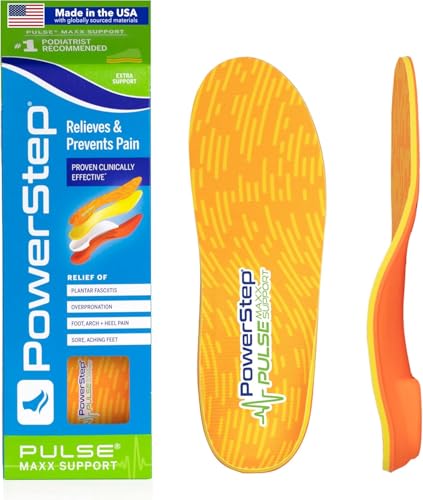
PowerStep Pulse Maxx Running Insoles
PowerStep Pinnacle Low Insoles for Flat Feet
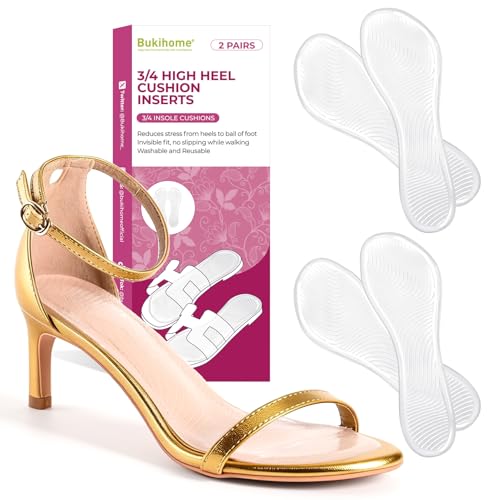
Bukihome High Heels Gel Insoles for Women (S)
Meet The Standout Selections
IWELA WATER takes the high-arch approach seriously, building its insert around a rigid TPU shell that mimics the curve of a lifted midfoot. Where the soft foam pick above cushions, this one corrects, holding the arch up so the plantar fascia (the band of tissue running along the bottom of the foot) has less distance to stretch with every step.
It runs in an XL size covering men’s 8.5-9.5 and women’s 10.5-11.5, and the brand markets it for wearers above 220 pounds, which means the materials and support are tuned for load. The trade-off is real: this is not a pillow underfoot, and slim dress shoes won’t have room for it.
Advantages To Know
- Firm TPU arch contour that resists flattening under heavier body weight
- Built-in metatarsal lift helps redistribute pressure away from the forefoot
- Targeted heel cup stabilizes the rearfoot during long standing shifts
- Durable construction designed for work boot environments
- Sold as a single pair for households that need one good set, not three
Things To Consider
- Feels noticeably firm compared to foam inserts, and break-in can take several days
- Thickness crowds low-volume shoes like loafers or flats
- Single-pair packaging means higher cost per insert than multi-pack options
Made For
Heavier wearers who spend long hours on hard floors and want structural correction rather than cushioning alone.
Consider Something Else When
The FLYSTORY 4D Cloud Insoles suit shoppers who want a softer, cushioned feel for everyday walking rather than rigid arch correction.
FLYSTORY pitches its 4D Cloud line at the opposite end of the spectrum from rigid orthotics: a soft PU memory foam body with arch support built into the contour. Two pairs come in the box, which covers most wardrobes without forcing a second order, and the XL size fits men’s 6.5-7.5 alongside women’s 8.5-9.5.
For shoppers with mildly flat arches who don’t want a clinical correction, this is the everyday cushioning pick. It’s not designed to fix biomechanics, but it does take the bite out of long days on concrete. Compared to the IWELA entry above, expect far less rigidity and much more give.
Standout Benefits
- Soft memory foam compresses gently underfoot, easing pressure on flat arches
- Two pairs included, so one set can rotate between shoes while the other airs out
- Shock-absorbing structure reduces fatigue during standing-all-day shifts
- Trimmable design lets you dial in the fit across multiple shoe types
Trade Offs
- Lacks the rigid shell needed for serious overpronation correction
- Memory foam tends to compress permanently after months of daily wear
- Bulk can feel loose in slim-profile sneakers
Who It Suits Best
Service workers and casual walkers who want plush cushioning more than structured support.
Where Another Pick Suits Better
The PowerStep Pinnacle Maxx Orthotic Insoles are a smarter pick when biomechanical correction matters more than soft cushioning.
PLERE’s selling point is flexibility, both in fit and arch height. The brand offers three distinct arch profiles (low, medium, high) and five trimmable sizes, so the same insert can be customized for a narrow dress shoe or a wide work boot. That makes it a strong fit for households sharing a single purchase.
For flat-footed shoppers who have been frustrated by inserts that assume one arch shape, this design gives room to experiment. Compared to the IWELA pick above, it’s a more forgiving feel, but it sacrifices the firm corrective structure that heavier wearers often need.
The Value In It
- Three arch height options address flat feet, neutral arches, and high arches in one product line
- Trim-to-fit sizing covers women’s and men’s sizes in five cut points
- Versatile enough for sneakers, casual shoes, and work boots
- Useful for households with mixed arch types
Honest Caveats
- Trimming takes a few minutes and a steady hand to avoid a sloppy fit
- Cushioning compresses faster than pricier orthotic options
Right Fit For
Shoppers unsure of their arch profile who want one product line that can be tuned to multiple feet.
Skip It When
The PowerStep Pinnacle Low is a stronger match for confirmed flat feet needing a low-arch specific contour.
PowerStep built its name on prescription-style orthotics, and the Pinnacle Maxx is the firm end of that family. A rigid shell sits beneath dual-layer cushioning, and an angled heel post (a raised wedge that tilts the heel inward to limit rolling) corrects the overpronation, the inward rolling of the foot during walking, common with flat arches. Sizes run from men’s 3-3.5 through men’s 8-8.5 in the listed range.
This is the insert for people who wear orthotics daily and want something familiar. It’s not soft, and it’s not subtle, but it does the structural work that foam-only inserts can’t. Compared to the lighter FLYSTORY pair, this one feels like a piece of equipment.
A Few Strong Suits
- Semi-rigid shell provides genuine biomechanical support for overpronators
- Angled heel post actively corrects stride alignment
- Made in the USA, which matters to shoppers prioritizing domestic manufacturing
- Durable enough for daily use in work shoes and walking shoes
- Trusted brand with a long track record in the orthotic category
Points To Note
- Firmer feel takes time to break in, especially in tight-fitting footwear
- Higher arch than casual shoppers may need; not ideal for flat-only feet seeking cushion
Made For
Walkers and workers with diagnosed overpronation who need real structural correction rather than padding.
Look Elsewhere When
The IWELA WATER High Arch Support Insoles suit wearers above 220 pounds needing heavier-duty arch support for work boots.
PowerStep designed the Pulse Maxx line specifically for runners, and the construction reflects that focus. A more rigid shell than the brand’s standard Pulse sits beneath cushioning, and the angled heel geometry works to keep the foot from rolling inward across long runs. Sizes cover men’s 4-4.5 through men’s 5-5.5 in the listed range.
Runners with flat feet tend to overpronate as fatigue sets in, which is exactly what this insert targets. It’s not built for dress shoes, and it’s not meant for casual wear, but inside a running shoe, it does its job. Compared to the everyday Pinnacle Maxx above, the geometry here is tuned for repetitive motion.
Everyday Advantages
- Motion-control shell limits overpronation during longer runs
- Cushioning tuned for repetitive impact rather than standing
- Helps reduce ankle strain when fatigue changes gait
- Made in the USA
Some Limits To Know
- Geometry is specific to running shoes and won’t translate well to casual footwear
- Overkill for shoppers who only walk, not run
Best Suited To
Distance runners with flat arches who notice inward rolling as miles add up.
Not Your Match When
The Bukihome High Heels Gel Insoles fit dress-shoe and sandal wearers who need invisible cushioning rather than running-specific geometry.
The Pinnacle Low is PowerStep’s flat-foot specific design, with a low-profile arch contour and a deep heel cradle that holds the rearfoot centered. Dual-layer cushioning sits beneath the shell, and the brand rates it for wearers up to 250 pounds. Listed sizes span men’s 4-4.5 through men’s 8-8.5.
This is the right shape for true flat feet, where a high arch contour would just create a pressure point under an arch that doesn’t lift. It feels less aggressive than the Maxx above, but the correction is more anatomically honest. For casual shoes and sneakers, it’s a solid everyday match.
Real Benefits
- Low-arch contour matches true flat feet without creating empty space
- Deep heel cradle stabilizes the rearfoot during walking
- Dual-layer cushioning softens impact without sacrificing support
- Handles heavier wearers up to 250 pounds
- Made in the USA
Trade-Offs To Consider
- Less aggressive correction than the Maxx for severe overpronation
- Still firm enough to need a brief break-in period
Perfect Match For
Shoppers with confirmed low or flat arches who want structured support in casual shoes and sneakers.
Swap It Out When
The PLERE Arch Support Insert is the better call when arch height is uncertain and trimmable sizing matters more than orthotic-grade correction.
Bukihome skips the full-length insert entirely, instead offering a 3/4-length gel pad designed for high heels, sandals, and other low-volume shoes where a full insert simply won’t fit. The gel construction absorbs shock at the ball of the foot, and an adhesive backing keeps the pad from sliding forward inside the shoe.
This isn’t correction, it’s damage control, and it’s the right tool for the job. Flat-footed women who wear heels for events or work will recognize the pressure point at the metatarsal heads (the bony area just behind the toes) that this pad addresses. Compared to the orthotic entries above, it’s a different category entirely.
Practical Pluses
- 3/4-length design fits inside heels and sandals where full inserts can’t
- Non-slip adhesive keeps the pad positioned through hours of wear
- Gel absorbs shock at the forefoot, easing ball-of-foot pressure
- Small size fits women’s 5-6.5
- Invisible under shoes with open or low-cut profiles
Where It Is Less Suited
- Adhesive can lose grip in sweaty conditions and may need replacement sooner than full inserts
- No arch support, so it won’t address overpronation or plantar fascia strain
- Gel can feel slick in shoes without a back strap
Whose Shelf It Belongs On
Women who wear heels or sandals regularly and need forefoot cushioning in shoes where orthotic inserts won’t fit.
Reach For A Different Pick When
The PowerStep Pulse Maxx Running Insoles are the stronger choice for runners needing biomechanical correction rather than heel-specific cushioning.
Choosing Flat Foot Insoles That Actually Match Your Feet
Arch height is the first filter, and most flat-footed shoppers benefit from a low or medium contour rather than the high arches built for pronounced curves. The wrong height creates a gap under the foot that the body tries to collapse into, which can worsen pronation over time.
Shoe type matters more than brand. A rigid orthotic won’t fit a loafer, and a gel pad won’t stabilize a work boot. Match the insole profile to the footwear profile: full-length inserts for sneakers and boots, 3/4-length pads for heels and sandals. For runners, motion-control geometry addresses the repetitive rolling that fatigue brings on, while casual walkers usually need less aggressive correction.
Weight rating is the spec most people skip. Inserts built for average wearers tend to flatten faster under heavier loads, which is why several picks here explicitly rate for 220 or 250 pounds. If you’re above that range, the heavier-duty options will outlast and outperform standard foam.
What Matters Most Across These Picks
Common Slip Ups
The biggest mistake is buying an insole by arch height alone without considering shoe volume. A high-arch rigid insert inside a flat dress shoe lifts the foot off the footbed, creating instability rather than support. Always check whether the insole is trimmable, full-length, or 3/4-length, then match it to the shoes you’ll actually wear.
Another frequent error is expecting cushioning to fix biomechanics. Soft foam insoles relieve pressure, but they don’t correct overpronation. Shoppers with diagnosed alignment issues need a rigid or semi-rigid shell, while casual discomfort often responds to cushioning alone.
Where The Extra Money Goes
Premium orthotics cost more because of the structural shell inside, the angled heel post that actively corrects gait, and the materials that hold their shape over months of daily wear. Cheaper foam inserts compress permanently within weeks, which means replacing them more often.
The upgrade is worth it for daily wearers, heavier shoppers, and anyone with diagnosed pronation or plantar fascia pain. For occasional wear or light standing shifts, mid-tier options deliver most of the comfort at a fraction of the cost.
Frequently Asked Questions
How do I know if I have flat feet? Wet your foot and step onto a dark surface or paper. A nearly full footprint with little to no arch curve indicates flat feet, while a narrow connecting band suggests a normal arch.
Can insoles fix flat feet permanently? Insoles manage symptoms and improve alignment during wear, but they don’t permanently reshape the arch. Consistent use can reduce pain and slow related strain over time.
How long do these insoles typically last? Foam inserts usually last several months under daily use before compressing. Rigid orthotic shells with replaceable top covers can last a year or longer with rotation.
Will insoles fit in any shoe? Not always. Full-length orthotics need removable factory insoles and enough depth, while 3/4 gel pads work in low-volume shoes like heels and sandals where full inserts won’t fit.
Should I replace both insoles at the same time? Yes. Replacing one at a time creates uneven support between left and right, which can throw off gait and reintroduce the alignment issues the insoles are meant to address.