


Finding the right hearing support can feel overwhelming when the technical language piles up faster than the answers. Whether you’re shopping for a first pair of OTC aids, replacing worn silicone domes, or simply wanting quieter sleep, this list breaks down seven solid picks across a useful range of needs. I’ve focused on fit, real-world comfort, and the small ownership details that matter after the box is open.
The Essentials At A Glance

EARHOPE Silicone Noise Cancelling Ear Plugs for Sleeping

vanrosty Minifit Open Domes for Oticon (8mm) – 10 Pack
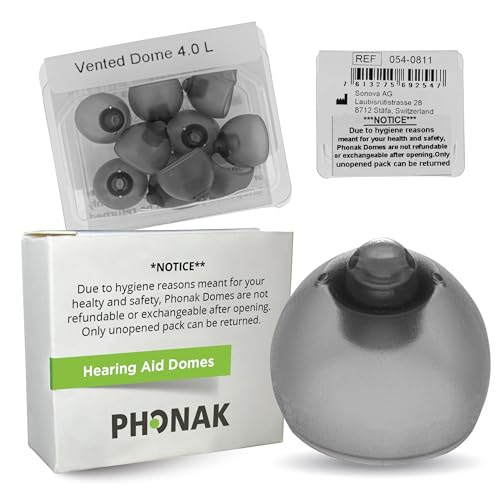
Phonak Vented 4.0 Dome Large (11mm) 10 Pack by Sonova

Ceretone Luma OTC Invisible Hearing Aids (Beige)

Ceretone OTC Hearing Aids Rechargeable Earbud-Style

Ceretone Horizon OTC Hearing Aids Dual-Mic RIC (Black)
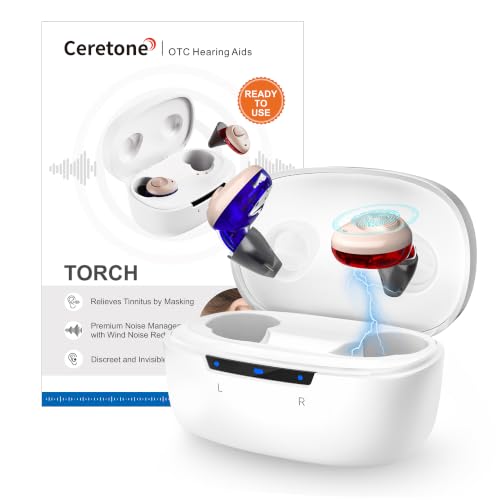
Ceretone OTC Hearing Aids ITE Noise Reduction (White)
A Breakdown Of The Leading Choices
Side sleepers who share a room with a snorer, a fan, or a noisy street know the frustration of foam plugs that slowly push out of the ear canal overnight. The EARHOPE silicone plugs aim at that exact problem with a soft, slow-rebound material that conforms to the canal walls and stays put, even when your pillow flattens the ear against the mattress.
Two sizes ship in every pack, so most shoppers find a workable fit on the first try. Daily commuters and gym-goers can use them too, since the grip holds during movement and the included travel case fits a pocket.
Positive Points
- Slow-rebound silicone holds shape through the night for side sleepers
- Two included sizes accommodate most ear canal shapes without a custom fitting
- Washable and reusable, swapping out disposable foam over time
- Compact pocket case makes transport simple for travel or gym bags
- Comfortable enough for extended wear during long commutes or focus sessions
Things To Consider
- Silicone can feel warmer than foam during hot summer nights
- Not a substitute for hearing support, only sound reduction
- Smaller ear canals may need sizing down carefully to avoid pressure
Who It Suits Best
Light sleepers, shift workers, and anyone who shares a bedroom with a snorer or lives beside a busy road.
Where Another Pick Suits Better
The Phonak Vented 4.0 Dome is a smarter grab for hearing aid wearers who need replacement tips rather than sound blocking.
Replacement silicone domes wear out faster than the hearing aid itself, and the vanrosty 8mm open domes fill that recurring need for Oticon miniFit users. The open style lets outside sound pass through naturally, which matters for people with mild high-frequency loss who still want to hear low ambient cues like footsteps or kitchen timers.
The 10-pack means roughly a year of monthly changes for most wearers. Compared to the EARHOPE sleep plugs reviewed above, these are functional medical accessories, not noise blockers, so the use case is entirely different.
Strong Points
- Designed for Oticon miniFit receivers at the 8mm size
- Open dome style preserves natural sound awareness
- Ten-piece count covers extended maintenance cycles
- Simple snap-on installation without tools
Honest Caveats
- Compatibility is narrow, so confirm your receiver model before ordering
- Earwax buildup shortens dome life faster than expected for some users
Made For
Current Oticon miniFit owners who need a steady supply of replacement open-style domes.
Not Your Match When
The Phonak Vented 4.0 Dome fits Phonak Audeo wearers better and offers a vented design for those specific devices.
Phonak owners tend to be loyal to OEM parts, and the Sonova-branded Vented 4.0 Dome delivers that factory fit for Audeo Marvel, Paradise, and Lumity hearing aids. The 11mm large size suits wider ear canals, and the vented cut lets air and low-frequency sound pass through so the occlusion effect (that “stuffed ear” sensation) stays manageable during long wear.
These aren’t amplification devices themselves but the soft interface between the receiver and the ear. Compared to the vanrosty Oticon domes reviewed above, these are Phonak-specific and vented rather than open.
Practical Pluses
- Genuine Sonova-manufactured replacement for Phonak Audeo lines
- Vented design reduces the plugged-ear sensation during extended wear
- Ten-pack supports regular monthly replacement habits
- Large 11mm size fits broader ear canal profiles
Points To Keep In Mind
- Strictly Phonak-compatible and won’t fit Oticon or other receivers
- Higher price per dome than off-brand alternatives
Best Suited To
Phonak Audeo Marvel, Paradise, or Lumity wearers who prefer OEM replacement parts and need a vented fit.
Skip It When
The Ceretone Luma makes more sense for shoppers seeking a complete invisible OTC hearing aid rather than a dome replacement.
The Luma is built for wearers who care about visibility as much as sound quality. Its tiny in-ear shell sits deep in the canal and matches a beige skin tone, so it nearly disappears in casual conversation. The Intricon digital chip processes speech at roughly 2% distortion, and the portable charging case carries extra runtime for travel days.
Four preset programs let you shift between quiet rooms, restaurants, and outdoor settings without an app. Compared to the Ceretone earbud-style OTC hearing aids reviewed later, this model prioritizes invisibility over the familiar earbud silhouette.
Well-Handled Touches
- Tiny shell keeps the device nearly invisible during face-to-face conversations
- Long battery runtime with a portable case for multi-day trips
- Four program modes cover common listening environments without an app
- Low distortion rating supports clearer speech in everyday settings
Small Caveats
- Deep-fit style can feel snug for users new to in-canal devices
- Small size makes handling tricky for arthritic fingers
Perfect Match For
Adults with mild to moderate hearing loss who want a low-profile device and don’t need Bluetooth streaming.
Look Elsewhere When
The Ceretone Horizon OTC Hearing Aids fit better for noisy group settings, thanks to dual microphones.
For shoppers who feel self-conscious about visible medical devices, this Ceretone model leans into the modern earbud silhouette so it looks identical to consumer audio gear. It’s a true ITE (in-the-ear) hearing aid rather than a sound amplifier, with an Intricon digital chip and a Knowles speaker doing the heavy lifting on speech clarity.
For users hesitant to wear the deeper Luma profile reviewed above, this earbud-style shape sits more visibly but feels instantly familiar to anyone who has worn consumer earbuds.
A Strong Showing
- Silhouette mirrors standard earbuds, reducing visible stigma
- Digital chip plus premium speaker aims at clear conversational sound
- Rechargeable battery removes the routine of buying button cells
- Environmental noise reduction helps in cafes or group settings
Worth Noting
- More visible than the Luma’s deep-fit option
- Charging case bulk takes up more pocket space than smaller in-canal aids
Who Should Grab It
Seniors and adults who want hearing support that visually resembles regular earbuds and feel comfortable with that tradeoff.
A Better Fit Elsewhere
The Ceretone Luma is the pick for shoppers who want a deeper, less visible in-canal fit instead.
The Horizon stands out in this lineup for its dual-microphone array, which captures speech from multiple directions while suppressing competing noise. For anyone who dreads family dinners or busy restaurants because voices blur together, that dual-mic design is the practical upgrade that justifies looking beyond the Luma and earbud-style options reviewed above.
The RIC (receiver-in-canal) form factor keeps the speaker closer to the eardrum, and four included eartip sizes help most shoppers dial in a comfortable seal without a custom mold.
Noteworthy Benefits
- Dual microphones capture speech from multiple directions in noisy rooms
- RIC design places the speaker near the eardrum for fuller sound
- Long battery runtime supports multi-day use between charges
- Four eartip sizes accommodate varied ear canal shapes
- Auto on/off feature preserves battery when the device is set down
Potential Drawbacks
- The behind-the-ear component is more visible than in-canal options
- Two microphones add slight weight compared to single-mic designs
Built With In Mind
Active adults who frequently navigate restaurants, group gatherings, or other noisy environments.
Consider Something Else When
The Ceretone ITE White Hearing Aid fits shoppers who want a simpler in-ear setup without the behind-the-ear element.
Feature Snapshot
Outdoor walkers, golfers, and gardeners run into a different kind of hearing aid frustration: wind whistling past the microphones. The Ceretone ITE White pairs a 16-channel digital chip with wind noise suppression so that outdoor use doesn’t turn into a constant static battle.
It’s an in-the-ear build in a clean white finish, and the Knowles speaker is tuned to separate voice from competing ambient noise. For shoppers comparing this to the Horizon reviewed above, the choice comes down to whether you want dual-mic speech focus indoors or wind handling outdoors.
Advantages To Know
- Wind noise suppression helps outdoor walkers and golfers
- 16-channel chip fine-tunes sound processing across frequencies
- Knowles-brand speaker targets clear voice reproduction
- Feedback reduction cuts down on whistling during close-fitting wear
- White finish suits users who prefer lighter-colored shells
Factors To Consider
- Single-mic design may struggle more than the Horizon in loud restaurants
- White color shows smudges more readily than darker shells
Whose Shelf It Belongs On
Mild to moderate hearing loss wearers who spend meaningful time outside and want reliable wind handling.
Swap It Out When
The Ceretone Horizon Dual-Mic RIC suits shoppers prioritizing group conversation clarity over outdoor wind control.
What To Weigh Before Buying Earbuds For Hearing Aids
Start by clarifying what you’re actually shopping for. Some readers on this list need sound isolation for sleep, others need replacement silicone tips for existing hearing aids, and others are buying a complete OTC hearing aid for the first time. Mixing those categories leads to wasted spending, so identify whether your goal is quiet, accessory replenishment, or amplification.
For full hearing aids, the form factor matters more than most shoppers realize. In-canal (ITE) styles like the Luma sit deeper and look discreet, but they’re harder to handle. RIC models like the Horizon rest behind the ear and are easier to manage, but they’re more visible. Earbud-style options hit a middle ground that appeals to image-conscious shoppers.
Battery life varies widely across this category, and the runtime numbers on the page reflect manufacturer claims rather than real-world use. Heavy streaming, high volume, and noisy environments drain cells faster, so factor in your daily routine before trusting any headline figure.
Finally, give serious thought to return policies and trial periods. Hearing aids involve a learning curve, and even well-reviewed models sometimes feel wrong after a week of daily wear.
Key Considerations Across These Picks
Where Shoppers Go Wrong
The biggest mistake in this category is choosing by appearance alone. A near-invisible shell sounds appealing until you realize you can’t grip it comfortably during a rushed morning. Conversely, a behind-the-ear model might feel oversized at first but becomes invisible once you wear it through a busy day. Try to think about handling, not just looks.
Another common trap is skipping the replacement dome or tip sizing step. Even premium hearing aids sound thin if the silicone dome doesn’t seal the canal. Pick a model that includes multiple eartip sizes, or budget for a separate dome variety pack.
When Paying More Pays Off
Higher-tier hearing aids in this category typically add dual microphones, more processing channels, and better wind handling. For someone whose day includes restaurants, group conversations, or outdoor walks, those upgrades often justify the price gap. For a quiet retiree who mostly watches TV at home and chats one-on-one, a simpler single-mic model covers the need without overspending.
Frequently Asked Questions
Do earbuds for hearing aids work the same as regular earbuds?
No. Hearing aids process sound through a digital chip tuned for speech clarity, while consumer earbuds prioritize music playback. The two overlap in shape, not function.
How long do OTC hearing aids typically last?
Most OTC devices in this category run a few years before battery degradation sets in. Replaceable dome tips and charging cases tend to outlast the internal electronics.
Can I sleep with OTC hearing aids in?
It’s not standard practice. Most manufacturers recommend removing them at night to let the ear canal breathe and to allow the battery to charge.
Are silicone earplugs a hearing aid alternative?
No. Earplugs reduce incoming sound, while hearing aids amplify specific frequencies. They serve opposite purposes and shouldn’t be confused.
How do I know which dome size to order?
Most replacement dome listings include size guides, and many models ship with multiple sizes in the box. Audiologists can measure your canal for a precise fit if you’re unsure.