


Putting on compression socks can feel like wrestling with a stubborn rubber boot, especially when bending down is painful or restricted. After surgery, during pregnancy, or while managing limited mobility, that daily struggle turns into a real obstacle. The right tool changes the gap from a frustrating chore into a smooth part of your routine, which is exactly what this list is built around.
The Essentials At A Glance

Norco Easy-Pull Sock Aid

Yitobecka Sock Aid With Foam Handles
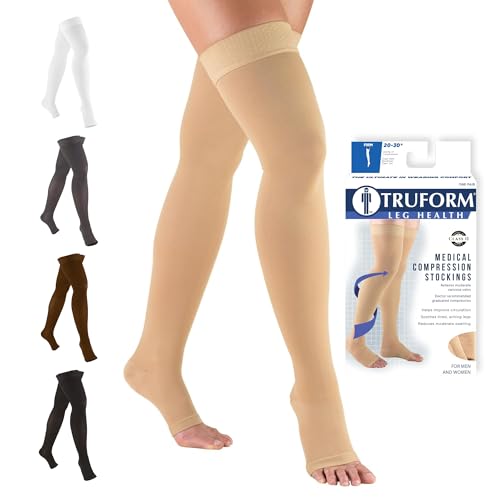
Truform 20-30 mmHg Thigh High Stockings

Sammons Preston Compression Helper Tool 30″
Inside Each Recommended Option
The Norco Easy-Pull Sock Aid is one of the most familiar designs in the dressing-aid aisle, and for good reason. It uses a rigid plastic trough that holds the sock open while two long cords let you pull the fabric up your leg without bending at the waist. For anyone recovering from hip surgery, dealing with back pain, or simply losing flexibility with age, that hands-free pull makes a real difference at 7 a.m.
The contoured shape keeps the sock from rolling back down as you slide your foot in, which is the moment most cheaper aids fall apart. Compared with the Sammons Preston tool covered later, this Norco model is shorter and better suited to standard socks rather than thigh-high garments. Care is straightforward, since the smooth plastic wipes clean with a damp cloth and there are no fabric parts to wash.
Everyday Wins
- Wide trough opening accommodates swollen feet and thicker compression knits
- Long cord pull reduces the need to bend forward at the hips
- One-piece molded plastic holds up well to daily use over years
- Lightweight enough to toss in a travel bag for hotel stays
Trade Offs
- Reach is shorter than the Sammons Preston, so knee-high socks require more effort
- The plastic can feel slippery to grip if hands are damp or lotion-coated
- Less effective on very tight compression classes where extra pulling force is needed
Feature Snapshot
Who Should Grab It
Post-surgery patients and anyone with chronic back or hip pain who needs a dependable, no-learning-curve tool for everyday socks.
Look Elsewhere When
Caregivers managing thigh-high clinical stockings will find the Sammons Preston 30-inch tool a better match for that longer reach.
The Yitobecka Sock Aid is built around comfort for the hands, with foam-cushioned grips that soften the pull for users with arthritis or weakened grip strength. It follows a familiar slip-and-pull motion: the sock stretches over a plastic core, your foot slides in, and you draw the cords upward using the padded handles. That cushioning matters in a way that flat plastic cords simply do not.
For seniors living alone, pregnant shoppers managing a growing belly, or anyone with diabetic neuropathy in the hands, the soft grip can be the deciding factor between using a tool consistently and abandoning it in a drawer. Compared with the Norco Easy-Pull earlier in this list, this Yitobecka model prioritizes hand comfort over rigid durability, which trades a bit of longevity for easier handling.
Notable Upsides
- Foam handles are easier on arthritic hands than bare plastic cords
- Simple three-step motion works well for first-time users
- Helpful for pregnancy when the belly blocks a normal reach
- Compact enough to keep beside a favorite chair
Points To Note
- Foam handles may compress over time and need eventual replacement
- Less rigid than the Norco trough, so very thick compression socks can be harder to load
- Cords can tangle if tossed into a drawer without coiling
Made For
Older adults, pregnant users, and anyone managing hand pain who wants a gentler grip during the dressing routine.
Swap It Out When
Users handling firmer compression classes like the Truform stockings covered next will benefit more from a rigid trough that holds tighter knits open.
The Truform 20-30 mmHg stockings sit at the firmer end of the compression spectrum, a level often recommended for managing varicose veins, deep vein thrombosis recovery, and significant leg swelling. The compression rating refers to millimeters of mercury, the same unit used to measure blood pressure, and 20-30 mmHg represents a firm medical-grade pressure. That is meaningfully tighter than the light 8-15 mmHg stockings sold for travel fatigue.
These are thigh-high with a silicone dot-top band that grips the leg to keep the stocking from rolling down during wear, plus an open-toe design that lets the toes breathe and simplifies inspection. Pulling them on without a tool is genuinely difficult, which is why pairing them with an aid like the Sammons Preston or the Norco covered here is essential. The trade-off is real therapeutic benefit in exchange for a longer dressing routine.
What Stands Out
- 20-30 mmHg firm compression suited for clinical and recovery use
- Thigh-high length delivers coverage above the knee
- Silicone dot-top helps the stocking stay up during long wear
- Open-toe design reduces heat buildup and improves airflow
Honest Caveats
- Firm compression requires a donning tool for realistic daily use
- Thigh-high fit can feel warm in hot climates
- Sizing must be checked carefully since incorrect fit reduces effectiveness
Core Details
Right Fit For
Adults managing post-thrombotic syndrome, varicose veins, or significant edema who need firm therapeutic compression and a thigh-high fit.
Reach For A Different Pick When
Shoppers who only need light travel comfort will find lighter mmHg stockings easier to don, often without needing a dedicated aid like the Norco Easy-Pull.
The Sammons Preston Sock and Stocking Aid is a longer 30-inch tool designed to handle knee-high and even some thigh-high compression garments. Sammons Preston has a long track record in the occupational therapy world, and this aid reflects that lineage with a rigid plastic trough and cord pulls built for repeated daily use in care facilities. For clinical settings or home users managing taller stockings, the extra reach makes a noticeable difference.
The rigid core keeps the sock fully open as you slide your foot in, which matters when the fabric has real squeeze, such as the Truform 20-30 mmHg stockings reviewed earlier. In home settings, it works equally well for caregivers dressing a partner or family member. The longer cord pull does require more arm travel, so users with very limited upper-body strength may prefer the shorter Norco Easy-Pull covered above.
Noteworthy Benefits
- 30-inch reach handles knee-high and taller compression garments
- Built for repeated use in therapy clinics and home care
- Rigid core prevents the stocking from collapsing during the slide-in step
- Compatible with caregiver use for dressing a family member
- Long cord pull reduces the need to lean forward
Some Limits To Know
- Bulkier than the Norco Easy-Pull and less convenient for travel
- Cord length may be excessive for users with very limited upper-body strength
- Plastic trough can show scuffs with heavy daily handling
Best Suited To
Therapists, caregivers, and home users managing knee-high or thigh-high compression garments who want a clinical-grade tool.
Where Another Pick Suits Better
Seniors with arthritis or weak hands will find the Yitobecka foam-handle aid gentler on the fingers during daily dressing.
What Matters Most Before Choosing Compression Stocking Aids
Match the Tool to Your Sock Length
Sock aids come in different lengths, and pairing the wrong size to your stocking is the fastest path to frustration. A short trough works fine for ankle socks and low-cut compression styles, but knee-high and thigh-high garments need the extra reach of a 30-inch tool like the Sammons Preston. For most home users, measuring your longest stocking and choosing an aid that is at least that long prevents the awkward half-pull that ends with the fabric bunched at the calf.
Compression Rating Changes Everything
Compression stockings are sold in pressure ranges measured in mmHg, from light 8-15 mmHg for travel fatigue to firm 20-30 mmHg for clinical therapy. The higher the rating, the tighter the fabric, and the more essential a donning tool becomes. For light wear, a flexible aid may suffice. For firm 20-30 mmHg stockings like the Truform pair, a rigid trough is essentially required to avoid strain on the hands and the fabric itself.
Grip Comfort for Arthritic Hands
Many users who need these tools also have reduced grip strength, arthritis, or neuropathy. Foam-handled aids like the Yitobecka reduce finger strain and pressure points during the pull, while rigid plastic cords can dig into the palm during repeated use. For shoppers with hand weakness, foam grip is a meaningful upgrade worth prioritizing over pure rigidity.
Sock Aid vs Compression Stocking: Know What You Need
The shortlist covers two product types: mechanical aids that help you put on socks, and the compression stockings themselves. Some shoppers need only the aid for socks they already own, while others are buying therapeutic compression and need a tool to manage that garment. Listing both categories side by side helps readers match their actual need rather than buying the wrong item for the job.
Key Considerations Across These Picks
Pitfalls Shoppers Hit
The most common mistake is choosing an aid that is too short for the stocking style, leaving the user to fight fabric halfway up the calf. Another slip is underestimating compression ratings: assuming any “compression sock” will go on easily, when firm 20-30 mmHg garments really demand a real aid.
Where The Extra Money Goes
Higher-tier aids and stockings tend to offer clinical-grade construction, longer reaches, and firmer therapeutic compression. The Sammons Preston reflects clinical durability, the Truform stockings reflect medical-grade fabric, and the foam-handle Yitobecka reflects ergonomic design. For casual daily wear, basic aids do the job, while therapeutic and clinical users generally see real value in stepping up.
Frequently Asked Questions
How do compression stocking aids actually work?
Most use a trough or sleeve that holds the sock open while cords let you draw it up the foot and leg without bending forward.
Who benefits most from a sock aid?
Post-surgery patients, seniors with limited flexibility, pregnant users, and anyone with chronic back or hip pain benefit most from these tools.
What does mmHg mean on compression stockings?
It stands for millimeters of mercury, the same unit used for blood pressure, and higher numbers mean firmer therapeutic compression.
Can I put on 20-30 mmHg stockings without a tool?
Most users find firm 20-30 mmHg stockings very difficult to don without an aid, especially thigh-high styles, and a rigid trough is strongly recommended.
How do I clean a sock aid?
Most plastic-trough aids wipe down with mild soap and water, while foam-handle models need a damp cloth to avoid soaking the cushioning.