


When a bedside commode becomes part of daily life, the part nobody talks about is cleanup. Liner systems turn a messy chore into a quick tie-and-toss, which matters when a caregiver is already stretched thin. These six picks cover the main trade-offs: absorption power, fit, count per box, and how each one handles odor. The right choice depends on how often the commode gets used, who is using it, and where it lives in your home.
How The Shortlist Stacks Up

Cleanwaste Sani-Bag+ Commode Liners 10 Ct

Lunderg Super Absorbent Commode Pads 100 Count

Carex Commode Liners 21 Count

BOOWOO Bedside Commode Liners Bags 100 Ct
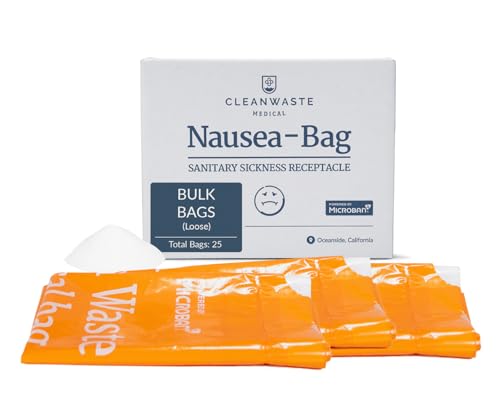
Cleanwaste Disposable Nausea Vomit Bag 50 Ct

BOOWOO Commode Liners with Absorbent Pad
Meet The Standout Selections
The Cleanwaste Sani-Bag+ arrives pre-loaded with a non-toxic gelling powder, so there’s no measuring or scooping during a change. Each bright orange liner locks in roughly 32 ounces of fluid, which covers a full overnight use for most adults. The Microban additive is built into the bag material itself, meaning odor control keeps working even after the bag has been sealed and set aside for disposal.
For a caregiver managing two or three changes a day, the sealed-bag approach removes the worst part of the job: scrubbing the bucket. Compared to bulk pads like the Lunderg option coming up next, the upfront cost per bag runs higher, but the convenience of an all-in-one system often justifies it for short-term recovery or hospice settings.
Real-World Strengths
- Pre-gelled interior eliminates the need to add absorbent powder at the bedside.
- 32 oz capacity per liner handles a full overnight change without saturating.
- Microban-treated film helps neutralize odor during the time the bag sits waiting for pickup.
- Sealed-and-toss design cuts the cleaning workload down to a quick wipe of the bucket rim.
Trade Offs
- Pack of 10 runs out faster than the 100-count options, so storage planning matters for long-term care.
- Higher per-unit cost compared to pad-and-bag systems, which can sting on a tight monthly budget.
Feature Snapshot
Who It Suits Best
Solo caregivers and short-term recovery households who want the simplest possible change routine.
Consider Something Else When
The Lunderg Super Absorbent Commode Pads fit a longer care timeline better, since a 100-count box stretches across weeks of daily changes.
Lunderg ships its pads in a sturdy storage box, which doubles as a tidy dispenser next to the commode. Each pad combines paper pulp with absorbent polymers, turning roughly 35 ounces of fluid into a gel within seconds. That’s a slightly higher absorption ceiling than the Cleanwaste bag above, and the bulk count pushes the per-use cost down significantly.
These pads pair with a standard commode liner rather than replacing one, so a small stash of bags sits alongside the box. For a household running the commode around the clock, the math is hard to argue with: 100 changes per box keeps the supply cabinet quiet for weeks.
Notable Upsides
- Polymer-blend pads gel fluids quickly, reducing splash risk during transfer.
- 100-count packaging keeps the per-change cost low for daily users.
- Sturdy box functions as a bedside dispenser, no extra caddy needed.
Minor Gripes
- Requires a separate liner bag, since the pad alone doesn’t contain the mess.
- Bulky box takes up more shelf space than flat-packed bags.
Built With In Mind
Long-term care households and post-surgical recovery where the commode sees multiple uses per day.
Reach For A Different Pick When
The Cleanwaste Sani-Bag+ suits a simpler workflow better, since the gel and bag arrive pre-combined.
Carex builds its liners to handle multiple uses per bag, which is unusual in this category. Each one can absorb up to two quarts of liquid and survive roughly three changes before the seal goes. For a part-time commode setup (say, nighttime only or recovery weeks), that reuse feature stretches a 21-bag pack into several weeks of supply.
The fit works across most standard commodes, uplift frames, and basic potty chairs, so swapping commodes mid-rental doesn’t leave you with orphaned supplies. A small packet of absorbent powder comes tucked inside each liner, which means no measuring cup lives next to the commode.
Well-Handled Touches
- Two-quart capacity covers heavier outputs without a mid-change swap.
- Three-use-per-bag design stretches supply count for occasional commode users.
- Universal fit across commodes, uplift frames, and potty chairs.
- Pre-portioned powder packet included with each liner, no extra measuring step.
Honest Caveats
- Reuse up to three times means tracking how full each bag is, which adds a small mental task.
- Lower total count (21 liners) compared to the BOOWOO options, so resupply comes sooner.
Feature Rundown
Made For
Households running the commode a few times a week rather than several times a day, where reuse cuts waste meaningfully.
Where Another Pick Suits Better
The Lunderg Super Absorbent Commode Pads serve higher-frequency users better, with a 100-count box that keeps pace with daily changes.
BOOWOO focuses on the bag itself rather than the absorbent medium, which makes this a good fit for caregivers who already buy pads separately. The film is built to resist tears and punctures during transfer, and the universal cut works with most standard commode buckets. A 100-bag pack pushes the cost-per-change into the budget-friendly zone, especially compared to the pre-gelled Cleanwaste option above.
Note that this listing is for bags only, not pads, so you’ll need to grab absorbent material on your own if you want gelling action. For setups that already include a pad layer, this is a reliable, no-fuss bag that handles the containment job.
The Helpful Details
- Leak-resistant film holds up under the weight of a full change without tearing.
- 100-bag box matches the bulk count of higher-priced options.
- Universal sizing covers most commode chairs and camping toilet setups.
Worth Bearing In Mind
- Bags arrive without absorbent powder, so a separate pad purchase is necessary for gelling action.
- Universal sizing helps in most cases, but unusually shaped bucket rims may sit loose.
The Right Fit
Caregivers who prefer buying bags and pads separately and want a bulk count without paying premium per-unit pricing.
Swap It Out When
The Cleanwaste Sani-Bag+ serves a faster workflow better, since the gelling powder comes already sealed inside.
This Cleanwaste option isn’t a commode liner in the strict sense, but it shares the same gel-and-seal technology as the Sani-Bag+ and earns its place on this list for households that want a single supply cabinet. Each bag holds up to 32 ounces of liquid and ships pre-loaded with non-toxic gelling powder, so it doubles as a motion sickness bag, a chemo-day companion, or a bedside backup during stomach flu season.
The Microban treatment carries over from the commode line, so odor stays controlled even when a sealed bag sits in a trash bin overnight. For caregivers managing both mobility and nausea care (common during hospice transitions), the dual-purpose buy simplifies the shopping list.
The Practical Payoff
- Pre-gelled interior works without any prep at the point of use.
- 32 oz capacity handles typical fluid output without overflow risk.
- Microban-treated film helps contain odor between disposal rounds.
- 50-count box covers a typical flu-and-recovery season.
Potential Compromises
- Wide-mouth shape doesn’t sit flat inside a commode bucket, so it works as a backup rather than a primary liner.
- Bag thickness is lighter than dedicated commode liners, so heavy loads need careful handling.
Perfect Match For
Households that want one product covering both bedside and travel emergencies without stocking separate systems.
A Better Fit Elsewhere
The Cleanwaste Sani-Bag+ handles commode duty more directly, with a bag shape that drops cleanly into a standard bucket.
BOOWOO bundles its liner with a built-in absorbent pad, so each unit arrives ready to drop into a commode or camping toilet. The film measures roughly 15.7 inches tall by 21 inches wide, which fits most bedside commodes and portable camping setups without trimming. The leak-resistant design holds up during transport, an important detail if the commode doubles as a road-trip companion.
For RV travelers and campers, this is the pick that covers both scenarios without buying two products. The same bundle works at home, on the road, and at a festival site, which simplifies packing lists when a household is already balancing mobility gear.
Everyday Perks
- Built-in pad removes the need to buy gel powder separately.
- Generous 15.7″ x 21″ dimensions fit oversized commode buckets.
- Leak-resistant construction survives bumpy transport in a vehicle.
Where It May Fall Short
- Universal sizing can leave slack in smaller bucket frames.
- Bundled pad is thinner than standalone absorbent products like the Lunderg pads.
Feature Overview
Who Should Grab It
Active households and travelers who need one product that handles both home and outdoor commode duty.
Look Elsewhere When
The Lunderg Super Absorbent Commode Pads serve a stationary home setup better, with a thicker pad designed for daily stationary use.
Factors That Matter When Choosing Bedside Commode Liners
Absorption Power and Capacity
The single most important spec is how much fluid each liner or pad can hold. Most bedside commode liners in this category land between 32 and 35 ounces per unit, which covers a typical overnight change without mid-use swap-outs. If the commode sees multiple uses per day from a single user, lean toward the higher end of that range. For lighter, occasional use, a smaller capacity bag keeps disposal weight manageable.
Bag Construction and Fit
A universal-fit liner saves you from measuring bucket rims before ordering, but pay attention to the dimensions when listed. Tall, wide liners handle oversized commode buckets and camping toilets; snugger bags fit standard frames without slack. Tear-resistant film is worth prioritizing, since a punctured liner during transfer is the failure mode nobody wants to deal with.
Reuse vs Single-Use Design
Some liners (like the Carex option) are built to handle up to three uses before disposal, which stretches supply counts for occasional users. Single-use systems, including pre-gelled bags, trade that reuse for faster change times. Frequent users benefit more from single-use simplicity; light users save money with reusable bags.
Pack Count and Storage
A 100-count box keeps the supply cabinet quiet for weeks but demands shelf space. A 10 or 21-count pack fits in a drawer but resupplies more often. Think about where the box lives, who refills it, and how often reordering happens, since a forgotten resupply mid-care is a stressful moment.
Key Considerations Across These Picks
Common Shopping Slip Ups
The most common mistake is buying a bag-only system when you actually need absorbent material too, or vice versa. Check the listing carefully: some packs include pre-gelled powder, others ship bags only, and a few bundle pads with the liner. Match the product to your existing routine rather than rebuilding the routine around the product.
Where The Extra Money Goes
Higher-priced options in this category typically bundle features: pre-loaded gel, Microban odor treatment, tear-resistant film, or a thicker polymer pad. The upgrade pays off when a caregiver is short on time, since a one-step change beats a three-step change. For households with more time and less daily volume, a basic bag plus separate pad setup costs less per change.
Frequently Asked Questions
How often should bedside commode liners be changed?
Most manufacturers recommend changing the liner after each use, though some bags rated for multiple uses can go two to three changes before disposal. For hygiene and odor control, a fresh liner per use is the safer routine.
Can commode liners fit portable camping toilets?
Several options in this list, including both BOOWOO entries, list camping toilet compatibility. The wider 15.7″ x 21″ dimensions handle portable setups, while standard bedside liners fit most household commodes.
Are pre-gelled liners safer than bag-and-powder systems?
Both approaches reach the same end result: contained, gelled waste. Pre-gelled liners remove the measuring step, which reduces spill risk during prep. Bag-and-powder systems cost less per use but require careful handling when adding the powder.
What is Microban treatment on a commode liner?
Microban is an antimicrobial additive built into the bag material that helps control odor-causing bacteria on the film surface. It doesn’t replace cleaning the commode frame, but it keeps sealed bags smelling neutral longer between disposal rounds.
How should used commode liners be disposed of?
Tie the bag securely, then place it in a sealed trash bin or, where local rules allow, a dedicated waste container. Never flush commode liners, since the gel and film can clog plumbing and septic systems.
Final Verdict
The right liner depends on how often the commode gets used and how much hands-on time the caregiver has. A pre-gelled bag like the Cleanwaste Sani-Bag+ wins on simplicity, the Lunderg pads win on volume, and the BOOWOO options cover both travel and home setups. Match the product to the routine, and cleanup stays a small part of the day rather than the whole afternoon.