


Hearing loss sneaks up slowly, and the first time you realize you’re leaning toward the TV or asking family to repeat themselves at dinner, the cost of prescription devices feels daunting. The good news: today’s over-the-counter category (meaning hearing aids you can buy directly without a doctor’s visit or prescription) puts real help within reach for adults with mild to moderate loss, and a handful of well-built options hover right around the $99 mark. I went through six current models aimed at seniors and adults, weighing comfort, sound processing, battery life, and everyday usability. The list below mixes in-ear and behind-the-ear styles, rechargeable and self-cleaning cases, and one with a touchscreen control instead of a smartphone app.
A Snapshot Of The Selections

WGZSVE Rechargeable OTC Hearing Aids for Seniors

Aimsumy Rechargeable Hearing Aids with UV Cleaning

Audien Atom X OTC Hearing Aid with Touchscreen Control
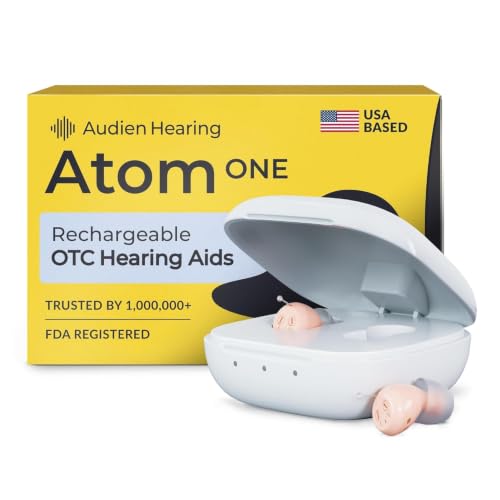
Audien Atom One OTC Hearing Aids

Audien Atom Air OTC In-Ear Hearing Aids

Audien Atom Pro 2 OTC Hearing Aids with UV-C Case
What Each Pick Brings To The Table
Opening the WGZSVE rechargeable set, the first thing I notice is how approachable the package feels: a compact charging dock, multiple dome sizes for fitting different ear canals, and a pair of behind-the-ear units that look more like consumer earbuds than clinical gear. The marketing leans on a 16-channel digital chip, which in plain terms means the device splits incoming sound into 16 frequency bands and processes each one separately, so it can target speech more precisely while suppressing steady background hum from a fan or traffic.
For a senior who eats dinner with family most nights or catches up with friends at a noisy restaurant, that kind of channel separation matters more than raw volume. Compared with the Aimsumy pick below, WGZSVE keeps the controls simpler and the case more compact, which trades some advanced features for an easier learning curve.
Real Benefits
- Multi-channel digital processing helps separate voices from background hum in busy rooms.
- Rechargeable battery and dock mean no fiddling with coin cells, which is helpful for shaky fingers.
- Multiple ear dome sizes ship in the box, so a decent seal is achievable without a clinic visit.
- Behind-the-ear form stays secure during walks, gardening, or shopping trips.
- Lower price point lets first-time users try OTC without heavy commitment.
Honest Caveats
- Sound profiles are preset rather than finely tunable, so picky users may want more control.
- Owners commonly report the behind-the-ear hook can feel warm during long summer wear.
Right Fit For
Adults new to OTC hearing aids who want a low-commitment starting point with rechargeable convenience.
A Better Fit Elsewhere
The Audien Atom Pro 2 is a stronger match for users who want built-in UV cleaning and a charging case that travels well.
What separates the Aimsumy set from the WGZSVE pair above is the cleaning story: the charging dock runs a UV cycle on the earpieces whenever they are docked, which is a small but meaningful perk for anyone who worries about ear hygiene or shares a household with someone immunocompromised. The onboard sound processing leans on digital filtering to lift voices out of steady background noise like HVAC hum or street traffic.
I see this as a particularly thoughtful choice for grandparents who wear their aids all day, every day, and don’t want a separate wipe-down routine. The trade-off versus the Audien Atom Pro 2 further down is capacity: the Aimsumy case prioritizes sanitizing over extra battery reserves, so heavy travelers may find themselves reaching for an outlet more often.
Where It Helps
- Automatic UV cleaning reduces the manual wipe routine that owners often skip.
- Digital signal processing focuses on speech clarity in everyday indoor settings.
- Rechargeable dock keeps the daily ritual simple, just drop them in at night.
- Lightweight shells are designed for seniors who prefer an unobtrusive behind-the-ear fit.
Things To Consider
- UV cleaning adds a small wait time during charging, which may feel slower for users in a hurry.
- Case holds fewer extra charges than premium-tier competitors, limiting off-grid travel use.
Feature Snapshot
Who Should Grab It
Seniors who wear their aids daily and value a hygienic, low-maintenance charging routine over portable battery capacity.
Swap It Out When
The Audien Atom Pro 2 makes more sense for frequent flyers who need a case that holds multiple extra full charges.
The Audien Atom X is built around an idea that sounds obvious but is rare at this price: control the hearing aids without a phone app or a microscopic button. The charging case has a built-in touchscreen, branded CaseControl, that handles volume and listening mode changes through simple taps. For a senior who never downloaded a hearing app or whose phone is three generations behind, that removes a real friction point.
Compared with the WGZSVE and Aimsumy sets earlier, the Atom X shifts priority from raw channel counts to usability. The form factor is a small in-ear unit that sits flush against the canal opening, which some wearers find less obtrusive than a behind-the-ear hook. The catch is that a touchscreen case introduces one more thing to keep charged, though owners can still top up via standard USB.
Positive Points
- On-case touchscreen means no phone pairing, no app updates, no tiny buttons.
- Multiple listening modes switch easily for TV, conversation, or outdoor use.
- In-ear profile is discreet and stays put under glasses or a hat.
- Rechargeable battery keeps the daily routine to a single dock-and-go step.
Practical Considerations
- Touchscreen case adds a second rechargeable component to manage.
- Smaller in-ear shells may not seal as well for users with wider ear canals.
Built With In Mind
Older adults who want modern convenience without the smartphone learning curve.
Consider Something Else When
The Audien Atom Air fits better for users who prioritize long-wear comfort through side-specific shaping.
The Audien Atom One sits in the middle of the Atom family as a straightforward, no-frills entry point. The unit is a compact in-ear shell that fits flush, and the manufacturer positions it for adults with mild to moderate hearing loss who don’t want to fuss with a prescription process or a doctor’s visit. For someone who has put off addressing their hearing for years, the Atom One is genuinely approachable.
Compared with the Atom X above, the Atom One drops the touchscreen case for a simpler charging cradle, which keeps the experience closer to a basic rechargeable earbud. That trade-off works for users who want one less screen in their life and are comfortable with manual tap controls on the earpiece itself.
Real-World Strengths
- Streamlined shell and dock keep daily operation simple for first-time users.
- In-ear profile is comfortable under glasses, hats, or face masks.
- Rechargeable battery removes the cost and hassle of disposable cells.
- Solid match for mild to moderate loss where volume and clarity are the main concerns.
Minor Gripes
- No dedicated listening modes, so adjusting between TV and conversation is more manual.
- Smaller shell may need trial with multiple dome sizes to find a stable fit.
Quick Facts
Made For
Adults with mild hearing loss who want a clean, rechargeable entry-level OTC option.
Look Elsewhere When
The Audien Atom Pro 2 is worth considering if built-in UV cleaning and extra case charges matter to your routine.
The Atom Air stands out in the lineup for one specific ergonomic decision: the left and right shells are molded separately rather than being mirror images of each other, which sounds like a small detail until you wear a hearing aid for six straight hours. Real ears are not symmetrical, and a shell shaped for the actual left or right canal tends to sit more naturally with less pressure.
The Air also leans on the brand’s A1 sound chip for everyday voice clarity, which I read as a sensible middle ground between the more aggressive multi-channel processing in the WGZSVE set and the simpler Atom One. Where it differs most from the Atom Pro 2 below is the absence of a UV-cleaning case, so users who care about automated sanitation will want to look further down the list.
Standout Benefits
- Side-specific shells reduce the hot-spot pressure that builds up during long wear.
- Compact in-ear form stays out of the way during phone calls or video chats.
- Rechargeable case keeps the daily routine to one drop-in step.
- Sound profile focuses on conversation, which suits family dinners and group settings.
Small Caveats
- No automated UV cleaning, so the earpieces need a manual wipe routine.
- Glossy shell finish may feel slick for users with dry hands putting them in.
Best Suited To
Seniors who wear aids for long stretches and prioritize comfort over extra case features.
Reach For A Different Pick When
The Aimsumy is a stronger match for users who want UV cleaning built into the charging dock.
The Atom Pro 2 is the most feature-dense option in this roundup, and the headline is the UV-C sanitization cycle built into the charging case. UV-C is a short-wavelength ultraviolet light used to neutralize bacteria and other microbes on surfaces, and the case runs a five-minute cycle every time the earpieces dock. For travelers, the case also holds three extra full charges, which is roughly a long weekend away from an outlet.
Compared with the Aimsumy set earlier, the Pro 2 leans harder into travel use and battery headroom. The trade-off, depending on your hand size and eyesight, is that the larger case is harder to slip into a shirt pocket. Most readers will find it lives happily in a carry-on or a purse.
The Upside
- Automated UV-C cleaning runs on every dock, removing the manual wipe step.
- Case holds three extra full charges for trips, weekends, or power outages.
- In-ear shell keeps the profile low and glasses-friendly.
- Rechargeable design means no coin-cell replacements during the device’s lifetime.
Less Ideal Details
- Charging case is bulkier than simpler Atom siblings, harder for a shirt pocket.
- More case features can feel like overkill for users who just dock at home nightly.
Key Product Details
Perfect Match For
Frequent travelers and heavy daily users who want one case that handles charging and sanitizing.
Where Another Pick Suits Better
The Audien Atom One is a cleaner match for users who prefer a smaller, simpler charging cradle at home.
What Matters Most Before Choosing 99 Dollar Hearing Aids
Match The Device To Your Loss Level
OTC hearing aids are designed for mild to moderate hearing loss. A quick self-check helps: do you struggle with quiet conversations but follow along fine in loud rooms, or do you miss words in both settings? The former responds well to most models on this list, while the latter may eventually require a clinical fitting.
Decide On Form Factor First
Behind-the-ear hooks stay secure during movement and tend to run cooler, while in-ear shells sit discreet and glasses-friendly. Comfort over a full day matters more than spec sheets, so think about when you’ll actually wear them.
Look For Rechargeable Battery And A Decent Case
Rechargeable cells remove the recurring cost and fiddly handling of disposable coin batteries. A charging case with at least one extra full charge means a forgotten top-up at night won’t leave you stranded mid-coffee the next morning.
Check For Basic Sound Processing
Multi-channel digital processing (the device splits sound into frequency bands and adjusts each one) helps separate voices from background hum, while preset listening modes add flexibility for TV or restaurants. You don’t need pro-grade tuning, but bare amplification alone tends to disappoint in real rooms.
Key Considerations Across These Picks
Common Shopping Slip Ups
The most common mistake is buying on price alone. Two aids at the same cost can offer wildly different comfort and processing. Another trap is assuming every OTC device handles severe loss, when most are tuned for mild to moderate cases. Always check return windows before committing.
What The Higher Tier Buys
Stepping up within the OTC category typically buys more channels for finer sound shaping, dedicated listening modes, and richer charging cases with UV cleaning or extra battery reserve. The honest read is that for everyday conversation, a mid-tier model handles most situations, and the premium tier pays off for travelers and heavy all-day wearers.
Frequently Asked Questions
Are 99 dollar hearing aids actually effective?
For adults with mild to moderate hearing loss, modern OTC devices in this price range can meaningfully improve speech clarity, especially in one-on-one conversation. They are not a substitute for clinical fittings in severe cases.
Do I need a prescription to buy OTC hearing aids?
No. OTC hearing aids are sold directly to adults without a prescription, a hearing test, or a doctor’s visit. If your loss is significant or sudden, see an audiologist.
How long does the battery last on a single charge?
Most rechargeable models on this list deliver a full day of typical use, with the case holding one to three extra charges. Real-world life depends on streaming, volume level, and listening mode.
What is UV cleaning in a hearing aid case?
It is a built-in ultraviolet light cycle, usually UV-C, that runs while the earpieces charge, designed to reduce bacteria on the surface. It does not replace periodic deep cleaning.
Can I use these with my phone for calls?
Many in-ear OTC aids pair with phones for call audio, but functionality varies by model. If hands-free calling is essential, check the product page for explicit support.