


Living with diabetes often means paying closer attention to your feet than most people do. Skin can dry out faster, cracks can linger, and a small rough patch can turn into a bigger problem over time. The right lotion makes that daily routine easier, whether you’re managing neuropathy, working long shifts on your feet, or simply trying to keep calluses soft between pedicures. This roundup focuses on gentle formulas built for sensitive, dry skin, with options spanning rich shea butters, dermatologist favorites, and botanical blends designed to soothe without irritation.
The Essentials At A Glance

Cetaphil Intensive Healing Body Lotion with Ceramides, 16oz

L’OCCITANE 15% Organic Shea Butter Foot Cream

Earth Therapeutics Tea Tree Oil Foot Balm 6 Oz

Gold Bond Diabetics’ Dry Skin Relief Lotion 18 oz.

BALM OF GILEAD Foot Cream Tea Tree & Eucalyptus
BALM OF GILEAD Frankincense & Myrrh Foot Cream

BALM OF GILEAD Manuka Eczema Honey Cream

Frankincense & Myrrh Intensive Foot Therapy 3 oz
The Details Behind The Selections
Cetaphil’s ceramide lotion isn’t a foot-specific product, but its reputation in dermatologist offices makes it a strong fit for diabetic skin that reacts to nearly everything. Ceramides are lipids, meaning fat-like molecules that naturally occur in your skin barrier, and replenishing them helps reduce moisture loss. The 16-ounce bottle is sized for full-body use, which matters if your dryness extends up the calves and ankles rather than staying isolated to the soles.
The fragrance-free formula won’t compete with other skincare or interfere with socks and shoes. Most shoppers reaching for a sensitive-skin lotion value subtlety over scent, and Cetaphil delivers exactly that. For anyone new to a foot care routine who wants a gentle starting point, this one earns its reputation.
A Favorable Mix
- Ceramides support the skin’s natural moisture barrier, which tends to weaken with age and diabetes-related dryness
- Fragrance-free, paraben-free, and non-comedogenic, meaning it won’t clog pores or irritate reactive skin
- Generous 16 oz size works well for full-body application, not just feet
- Lightweight texture absorbs quickly without leaving a greasy film on sheets or socks
Points To Keep In Mind
- Not a foot-specific formula, so it lacks targeted ingredients like urea or salicylic acid found in dedicated foot creams
- Heavy callus buildup may need a stronger exfoliating treatment first before this lotion can penetrate
Right Fit For
Anyone with sensitive, easily irritated skin who wants a gentle, full-body lotion safe enough for daily use on feet, legs, and hands alike.
Reach For A Different Pick When
Deep cracked heels will likely benefit more from the rich shea butter formula in L’OCCITANE’s foot cream.
L’OCCITANE leans hard into the shea butter side of foot care, and the 15% concentration gives this cream noticeable richness. Shea butter is a fat extracted from African shea tree nuts, and at this level it delivers deep softening for rough patches along the heel and ball of the foot. Unlike the lightweight Cetaphil lotion in pick one, this formula feels more like a treatment than an everyday moisturizer.
The vegan-friendly ingredient list appeals to shoppers avoiding animal-derived components, which not every foot cream offers. Despite its richness, the texture absorbs faster than you’d expect from a butter-heavy product, so you’re not waiting around before putting on socks. Think of it as a nightly softening ritual rather than a quick morning step.
What Earns Its Place
- 15% shea butter concentration softens calluses and rough heels more aggressively than lighter lotions
- Vegan formulation suits shoppers avoiding animal-derived ingredients like lanolin or beeswax
- Fast-absorbing texture avoids the heavy, sticky feel typical of rich foot creams
- Premium scent profile makes the nightly application feel like a small indulgence
Honest Caveats
- Scent, while pleasant, may be too noticeable for those who prefer fragrance-free diabetic skincare
- Smaller tube size means frequent reordering for households applying it nightly on two adults
Best Suited To
Anyone who treats foot care as a self-care ritual and wants a richer, butter-forward formula to soften callused heels over time.
Consider Something Else When
Fragrance-sensitive shoppers might prefer the unscented approach of Gold Bond Diabetics’ Dry Skin Relief Lotion instead.
Earth Therapeutics stacks three familiar botanicals, including tea tree oil, aloe vera, and chamomile, into a balm aimed at cracked, tired feet. Tea tree oil is a distilled essential oil long used for its cooling sensation and light deodorizing effect on skin. The 6 oz jar offers generous volume for a budget-tier product, making it practical for households applying lotion twice daily.
Where the Cetaphil in pick one focuses on barrier repair through ceramides, this one takes a more aromatic, herbal approach. It works well for people whose feet get sore after long days on hard floors, since the chamomile and tea tree combination offers a soothing sensation alongside hydration. For shoppers avoiding premium pricing, this delivers solid everyday value.
Positive Points
- Australian tea tree oil paired with aloe vera creates a cooling, refreshing feel on warm, tired feet
- Chamomile adds a gentle calming element for skin that feels irritated after long hours of standing
- Large 6 oz jar outlasts smaller tubes, especially when applying to both feet twice daily
- Botanical-heavy ingredient list appeals to shoppers avoiding heavier synthetic moisturizers
Trade-Offs To Consider
- Jar packaging means dipping fingers in repeatedly, which can introduce moisture and shorten shelf life once opened
- Tea tree scent, while mild, may not suit shoppers wanting strictly unscented foot care
Who It Suits Best
Active people on their feet all day who want a botanical, budget-friendly balm for callused heels and rough soles.
A Better Fit Elsewhere
Anyone needing a diabetic-specific formulation should look at Gold Bond Diabetics’ Dry Skin Relief Lotion for its targeted ingredient list.
Gold Bond’s Diabetics’ Dry Skin Relief Lotion is one of the few products on this list formulated specifically with diabetic skin in mind. The 18 oz pump bottle is sized for households that go through lotion quickly, and pump dispensers keep bathroom counters tidier than open jars. Aloe joins three nourishing vitamins in the formula, creating a blend designed for skin that needs frequent, gentle hydration.
Where L’OCCITANE in pick two offers a luxury ritual, Gold Bond focuses on the practical side of diabetic skincare: a lotion you can apply quickly morning and night without much thought. The pump format is especially helpful for anyone with limited hand mobility, since one-handed dispensing works smoothly. For most people building a daily foot care routine, this is the dependable anchor product.
Notable Gains
- Diabetic-specific formulation means the brand has designed around common concerns like slow-healing skin and persistent dryness
- Pump bottle is easier to handle than jars, particularly when hands or wrists are stiff in the morning
- Aloe plus three vitamins delivers hydration suited for daily application across feet, legs, and hands
- Large 18 oz volume stretches further per dollar than smaller specialty tubes
A Few Limitations
- Lotion texture is lighter than rich foot creams, so severe heel cracks may still need a heavier balm layered on top
- Pump mechanisms can occasionally clog if stored in cooler bathrooms, requiring a warm-water rinse
Perfect Match For
Anyone managing diabetic skin daily who wants a reliable, easy-to-use pump lotion formulated for that exact need.
Look Elsewhere When
Severely callused heels with deep cracks may respond better to the rich shea butter concentration in L’OCCITANE’s foot cream.
Feature Snapshot
BALM OF GILEAD’s tea tree and eucalyptus cream takes a more aromatic route than the other picks on this list. Eucalyptus oil, a distilled oil from eucalyptus leaves, produces a cooling sensation on warm skin, which makes this formula especially appealing after long walks or hot summer days. Combined with peppermint and tea tree, the cream feels almost like a spa foot treatment in a tube.
Compared to Earth Therapeutics’ tea tree balm in pick three, this one leans heavier on the menthol-style cooling effect. That matters for shoppers whose feet feel swollen or overheated by evening. The texture is rich enough to handle rough patches without leaving a slippery film on floors right after application.
Well-Handled Touches
- Australian eucalyptus paired with peppermint creates a noticeable cooling sensation that tired feet appreciate
- Botanical blend soothes skin that feels warm, swollen, or uncomfortable after long days
- Intensive moisturizing base softens rough heels without the waxy feel of heavier ointments
Things To Consider
- Strong herbal scent may be too pronounced for shoppers wanting neutral skincare products
- Cooling sensation can tingle on broken skin, so applying over open cracks may sting briefly
Whose Shelf It Belongs On
Active walkers, runners, and anyone whose feet get hot and tired by evening will appreciate the cooling botanical finish.
Not Your Match When
Sensitive-skin shoppers avoiding essential oils should reach for the fragrance-free Cetaphil lotion in pick one.
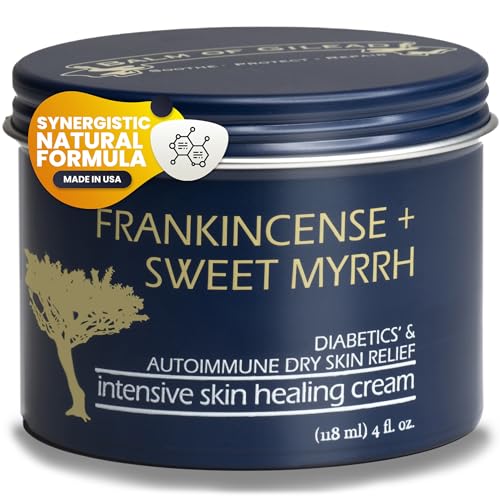
Frankincense and myrrh aren’t just historical references: they’re tree resins (meaning plant-based saps) with a long history of skin-care use, and BALM OF GILEAD builds this formula around them. The wild-harvested oils aim at sensitive skin that flares easily, and the cream is positioned for diabetic skin in particular. It feels more like a treatment than a basic moisturizer.
The texture is described as readily absorbed and non-greasy, which is a meaningful difference from the heavier frankincense and myrrh cream in pick eight. If you’ve tried resin-based balms before and found them too sticky, this lighter formulation is worth considering. For shoppers who want a botanical cream with a less cooling, more grounding scent profile, it offers a distinct alternative.
Notable Upsides
- Wild-harvested frankincense and sweet myrrh oils provide a unique botanical alternative to mainstream moisturizers
- Designed for sensitive and diabetic skin, with a non-greasy finish that absorbs quickly
- Synergistic blend may appeal to shoppers who prefer multi-ingredient, naturally sourced formulas
Practical Considerations
- Resin-based scent is distinctive and earthy, which not everyone finds pleasant
- Niche ingredient sourcing means it costs more per ounce than mass-market diabetic lotions
Who Should Grab It
Shoppers drawn to resin-based botanical skincare who want a sensitive-skin foot cream with a non-greasy finish.
Swap It Out When
Anyone preferring a dermatology-brand approach may find more comfort in Cetaphil’s ceramide lotion from pick one.
Quick Technical Notes
Manuka honey, a special honey from bees that feed on the Manuka bush in New Zealand, brings a different angle to foot care than the shea, ceramide, and resin formulas covered so far. Paired with avocado oil and grassfed tallow (rendered animal fat used as a skin-conditioning ingredient), this cream targets sensitive skin dealing with multiple concerns at once, including eczema, psoriasis, and dermatitis. It occupies a more therapeutic niche than most picks in this roundup.
For diabetic shoppers whose skin issues extend beyond simple dryness into flaring or scaling, this formula covers more ground than a basic moisturizer. That said, it’s not a foot-specific product, and application around cracked heels should be approached gently. It’s a useful secondary cream to keep on hand when feet have flare-ups beyond routine dryness.
The Case For It
- Manuka honey offers antimicrobial properties, which means it may help discourage bacteria on vulnerable, cracked skin
- Avocado oil and grassfed tallow create a nutrient-dense blend suited for skin that struggles with multiple conditions
- Addresses eczema, psoriasis, and dermatitis alongside basic dryness, making it useful beyond pure foot care
Worth Bearing In Mind
- Not specifically formulated as a foot cream, so heavy callus treatment may still need a separate exfoliant
- Rich tallow base feels heavier on the skin than lighter ceramide or lotion options
Made For
Diabetic shoppers also managing eczema, psoriasis, or dermatitis who need a richer cream for flare-up days.
Where Another Pick Suits Better
Shoppers wanting a straightforward daily-use lotion may prefer the lighter Gold Bond Diabetics’ pump bottle from pick four.
Key Product Details
The Frankincense & Myrrh Intensive Foot Therapy comes in a 3 oz tube small enough to slip into a carry-on or gym bag. Unlike the BALM OF GILEAD version in pick six, this one is positioned explicitly for diabetic foot symptoms, including neuropathy-related discomfort. It’s blended in a U.S. facility, and the brand notes the cream helps treat symptoms rather than cure underlying conditions.
The compact format makes this one the most portable option in the roundup, ideal for travel, work lockers, or keeping at a relative’s house. The 3 oz size won’t last as long as the pump bottles, so budget for more frequent reordering if you use it daily. For shoppers whose feet need attention on the go, that trade-off is usually worth it.
What Pays Off
- 3 oz tube fits easily in travel bags, gym lockers, or bedside drawers for quick application
- Specifically positioned for diabetic foot symptoms, including neuropathy-related discomfort
- Targets multiple areas, including foot, ankle, toes, heel, fingers, and hands, with one product
Some Limits To Know
- Small 3 oz size runs out quickly when used twice daily across both feet
- Resin-based scent is more pronounced than lighter lotions, which may not suit scent-sensitive users
Who Will Love This
Frequent travelers and busy professionals who need a portable foot cream designed around neuropathy-related discomfort.
Skip It When
Daily at-home users will get better value from the larger 18 oz Gold Bond Diabetics’ bottle covered in pick four.
Feature Card
Choosing The Right Foot Lotion For Diabetic Skin
Diabetic skin tends to lose moisture faster than typical skin, partly because elevated blood sugar can pull fluid from cells and slow natural oil production. That means a foot lotion needs to do more than sit on the surface: it should help rebuild the skin barrier (the skin’s outer protective layer that locks in moisture and keeps irritants out) without introducing ingredients that sting, clog, or trigger a reaction. Understanding a few key attributes makes the search much easier.
Look For Barrier-Supporting Ingredients
Ceramides, shea butter, and natural oils like avocado or jojoba all help replenish the lipids your skin uses to retain moisture. For diabetic skin that’s lost some of its natural plumpness, these lipid-rich ingredients (meaning they contain oils and waxes that mimic skin’s own fats) often outperform water-based gels. Lightweight formulas like Cetaphil work for daily maintenance, while richer shea and resin options handle tougher calluses.
Avoid Irritating Extras
Fragrance, alcohol denat (the shorthand for denatured alcohol, a solvent that can feel drying on sensitive skin), and harsh essential oils are common culprits when diabetic skin reacts to a product. Fragrance-free options like Cetaphil and Gold Bond Diabetics’ pump bottle remove that risk entirely, while strongly scented picks like L’OCCITANE are best reserved for users who enjoy aromatherapy alongside hydration.
Match The Formula To Your Routine
Daily maintenance calls for a lightweight lotion you can apply in seconds, especially on larger bottle formats. Nightly repair work, however, benefits from thicker creams that soak in slowly while you sleep. Two products often serve a household better than one, since mornings and evenings call for different textures. Consider keeping a pump bottle by the bathroom and a richer tube by the bedside.
Check How Your Skin Responds
Sensitive or reactive skin tends to do well with shorter ingredient lists and minimal scent, while tougher, callus-prone feet respond to richer balms. If a new product causes burning, redness, or new dryness, stop using it and switch to a gentler formula. Always talk with a healthcare provider about persistent cracks or wounds that don’t improve, since diabetic skin can need medical attention beyond what any lotion provides.
Smart Considerations Before You Buy
Mistakes Worth Dodging
A common slip is choosing a heavily scented lotion because it smells pleasant at the counter, only to find that fragrance irritates sensitive feet over repeated use. Another trap is assuming “extra moisturizing” means thicker is always better: heavy balms can clog pores on the tops of feet and between toes, which is the opposite of what you want for diabetic skin. Finally, some shoppers skip patch testing entirely, which is risky when you have reactive skin. Apply a small amount to the inner ankle first and wait 24 hours before committing to full use.
Where The Extra Money Goes
Higher-tier options like L’OCCITANE’s shea butter cream and the BALM OF GILEAD resin blends charge more for ingredient sourcing, concentration, and formulation complexity. You pay extra for wild-harvested oils, higher shea percentages, and botanical blends that mass-market brands skip. For most daily users, the upgrade is worth it when you want a richer sensory experience or a treatment-style product for stubborn calluses, but a basic diabetic lotion handles everyday maintenance just fine.
Frequently Asked Questions
How Often Should You Apply Foot Lotion When You Have Diabetes?
Most dermatologists recommend applying lotion once or twice daily, ideally after bathing and right before bed. Consistency matters more than quantity: thin, frequent layers outperform occasional thick applications.
Can Foot Lotion Actually Help With Diabetic Neuropathy Symptoms?
Lotion can ease the dryness and discomfort that often accompany neuropathy, but it doesn’t address nerve damage itself. Persistent tingling, burning, or numbness deserves medical attention beyond what any topical product provides.
Should You Avoid Lotion Between Your Toes?
Yes, moisture between toes can encourage fungal growth, especially in diabetic skin. Apply lotion to the tops, soles, and heels of your feet, but keep the spaces between toes dry.
Are Natural And Botanical Lotions Safer For Diabetic Skin?
Not necessarily. Natural essential oils can still irritate sensitive skin, and fragrance-free formulas are often the safer choice. Look at the full ingredient list rather than assuming natural equals gentle.
When Should You Skip Lotion And See A Doctor?
Any open wound, persistent crack, or skin discoloration that doesn’t improve with regular moisturizing warrants a professional evaluation. Diabetic foot complications can escalate quickly, and early care prevents more serious issues.
The Takeaway
The right foot lotion for diabetic skin comes down to your routine, your sensitivity level, and how much richness your heels actually need. A gentle ceramide lotion works beautifully for daily maintenance, while richer shea or resin formulas step in when calluses need real softening. Pick the option that matches your skin’s behavior today, and don’t be afraid to keep two products on hand for morning versus evening use.