


Rough heels rarely come from neglect; they build up from long workdays, summer sandals, and shoes that rub. A good foot file softens that buildup at home in minutes, without the appointment cost. The six tools below cover every common scenario, from quick touch-ups to deep callus work.
Your Options, Compared

Waieoc 2-Sided Foot File & Callus Rasp

Home-X Double-Sided Foot File 3″ Wide

P.Shine Beauty Foot Beige BF-80

Flowery Original Swedish Clover Foot File

Ainio Nano Glass Foot File
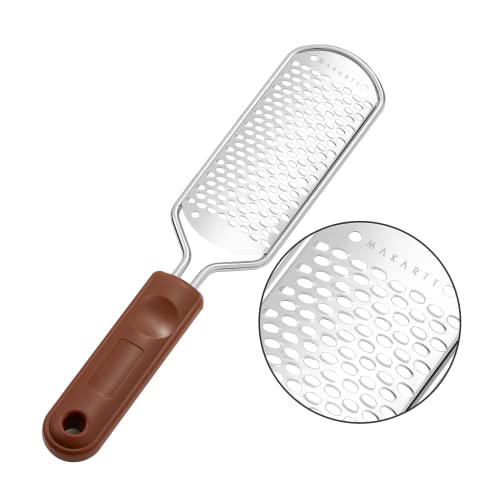
Makartt Colossal Foot Scrubber Rasp
Meet The Standout Selections
The Waieoc 2-Sided Foot File takes a different path than most entry-level rasp tools. One side carries a coarse blade edge for shaving down thick buildup, while the flip side offers a finer rasp that buffs the skin afterward. Compared to the simpler Home-X file coming up next, this one asks a bit more of the user but rewards them with a smoother finish in a single session.
You can use it dry for fast results or wet in the shower, and the stainless steel body holds up to repeated water exposure. For anyone whose heels swing between mildly rough and genuinely calloused, the two-stage design means you don’t need a second tool to polish the area afterward.
Everyday Wins
- The coarse blade cuts down thick callus quickly, saving time during a rushed evening routine.
- The fine rasp side smooths the same area in one pass, so there’s no jumping tools mid-session.
- Stainless steel resists rust whether you file dry or wet, which matters if it lives in the bathroom.
- Compact enough to toss in a gym bag for touch-ups after a long run.
Things To Consider
- The blade side rewards a light touch, and first-timers may press too hard at first.
- Dead-skin shavings need rinsing off promptly to keep the surface hygienic between uses.
Key Specs
Who It Suits Best
People juggling moderate callus buildup who want one tool that handles both shaving and finishing without swapping implements.
Skip It When
The Home-X Double-Sided Foot File is a friendlier pick if your heels only need light smoothing and you prefer a gentler, single-action file.
The Home-X Double-Sided Foot File leans into the basics, and that’s exactly its appeal. Both sides carry a sand-like abrasive texture mounted to a long ergonomic handle, and the 3-inch width covers more heel in each stroke than most narrow rasps. Think of it as the everyday, no-fuss option when blades feel intimidating.
Unlike the Waieoc two-stage tool we just looked at, this one doesn’t shave. It sands, which means more passes for thicker calluses but a much gentler learning curve. Beginners who want a confident first file usually land here.
Points In Its Favor
- The 3-inch working surface covers the heel in fewer strokes, speeding up a quick post-shower routine.
- Sand-textured surfaces on both sides feel forgiving on skin, lowering the chance of overdoing it.
- The long handle keeps your hands clean and lets you reach without bending awkwardly.
Points To Keep In Mind
- Thick, hardened calluses need several passes, so plan extra time for feet that haven’t been filed in months.
- The abrasive wears down gradually, and heavy users may notice a drop in grit after many sessions.
Right Fit For
First-time foot filers and anyone who wants a low-pressure, low-cost tool for weekly maintenance rather than heavy-duty callus work.
Look Elsewhere When
The Makartt Colossal Foot Scrubber Rasp is a stronger match for very thick, stubborn calluses that need serious metal on skin.
The P.Shine Beauty Foot Beige BF-80 has a quiet reputation among travelers, and the size explains why. At 220 mm long and only 55 mm wide, it slips into a carry-on pouch or gym bag without taking up drawer space. It’s made in Japan from polyethylene, a soft plastic that files lightly rather than aggressively.
Compare that to the larger Home-X file above, which is built for at-home sessions. The BF-80 is the one you reach for during a hotel stay or after a beach day, when you want a quick touch-up more than a deep reset.
What Pays Off
- Lightweight polyethylene body stays comfortable in hand during longer sessions.
- Compact dimensions mean it disappears into a dopp kit or weekender bag.
- The softer abrasive suits skin that’s mildly rough rather than heavily calloused.
Worth Noting
- It won’t keep up with thick, hardened calluses that need real abrasion to budge.
- The narrow 55 mm width means more strokes across the heel than wider options.
Made For
Travelers and commuters who want a low-profile file for light upkeep between bigger at-home sessions.
Consider Something Else When
The Waieoc 2-Sided Foot File is the better choice when you need both shaving and smoothing in one tool at home.
The Flowery Original Swedish Clover Foot File is the kind of tool that outlives trends. Its stainless steel body carries medium 60/100 grit on both sides, the abrasive grade often used in pro pedicure work. The red colorway is the visual giveaway, but the real story is durability: it’s waterproof, washable, and reportedly unbreakable under normal use.
Compared to the Makartt rasp coming up, this one is smaller and more controlled. You trade some coverage for precision, which suits people who file the same spots every week rather than chasing new patches of buildup.
Everyday Perks
- Double-sided 60/100 grit handles moderate calluses in a single pass.
- Stainless steel construction rinses clean and tolerates years of wet use.
- Medium grit feels firm without being aggressive, a middle ground for regular upkeep.
Honest Caveats
- Mid-range grit means very thick, neglected heels still need repeated sessions to smooth fully.
- The compact size covers less area per stroke than wider rasp-style files.
Quick Facts
Best Suited To
People who file regularly and want one dependable, rinse-clean tool that holds up over years of weekly use.
Reach For A Different Pick When
The Ainio Nano Glass Foot File is gentler on sensitive skin that reacts to metal abrasives.
The Ainio Nano Glass Foot File takes the opposite path from the metal rasps on this list. Its working surface is a nano glass plate, sometimes called glass paper, a fine crystalline layer sealed onto the file. The result is a smooth glide that exfoliates without the scratchy drag of steel grit, which matters if your heels crack easily or your skin reacts to rougher abrasives.
It works equally well on wet and dry feet, and the glass rinses clean in seconds. Where the Flowery file we just covered feels firm and clinical, this one feels almost meditative.
Features That Help
- Nano glass surface files gently, which suits heels prone to cracking or irritation.
- Works on both wet and dry feet, so it fits post-shower routines or quick dry touch-ups.
- Glass rinses clean and dries fast, cutting down on lingering moisture between uses.
- Comfortable grip suits users who file for several minutes at a time.
Where It May Fall Short
- Thick, hardened calluses take many passes, since the glass removes less per stroke than coarse metal.
- The glass surface needs careful handling to avoid chips if dropped on a hard floor.
Perfect Match For
Anyone with sensitive or reactive heels who prefers a gentler finish over fast callus removal.
A Better Fit Elsewhere
The Makartt Colossal Foot Scrubber Rasp suits thick, stubborn buildup that nano glass cannot shift quickly.
The Makartt Colossal Foot Scrubber Rasp earns its name. At roughly 11 by 2.4 inches, it covers more heel per stroke than any other tool in this roundup, and the curved stainless surface lets you reach awkward angles without contorting your wrist. The non-slip handle keeps things steady when pressure builds.
Where the Ainio glass file focuses on finesse, this one is built for volume. It’s the choice for feet that have been ignored for a season, with calluses thick enough to need real metal.
Strengths Worth Knowing
- The oversized rasp removes thick calluses in fewer passes, saving time on neglected feet.
- Curved surface reaches the heel edges and sides of the foot without forcing your hand.
- Non-slip handle stays steady when you apply firm pressure.
- Detachable blade rinses clean or can be sterilized for hygienic shared use.
Trade-Offs To Consider
- The aggressive surface can over-file if pressed too long, so a light touch matters.
- The 11-inch length takes up more drawer space than the compact options above.
Feature Card
Who Should Grab It
Anyone dealing with thick, hardened calluses who wants the fastest path to smoother heels at home.
Swap It Out When
The Ainio Nano Glass Foot File is the calmer option for finishing work once the heavy buildup is gone.
What To Weigh Before Choosing A Foot File
Material And Abrasive Type
Metal rasps, glass plates, and polyethylene boards all remove skin, but they feel nothing alike. Stainless steel, like the Waieoc and Makartt picks, cuts fastest and handles the thickest calluses, though it can over-file tender heels if you press too long. Nano glass, the kind Ainio uses, glides more gently and rewards patience, which suits reactive skin. Polyethylene, as on the P.Shine BF-80, sits between the two and works best for light upkeep rather than heavy correction.
Size, Shape, And Handle Reach
Wider files like the Makartt cover more surface in each pass, which speeds up broad heel work. Narrower files reach the sides of the foot and the area around toes more precisely. Long handles, like the Home-X file’s, keep your hands clean and reduce wrist strain, while shorter handles feel nimbler for detail work.
Wet Or Dry Use
Some files perform better after a soak, when the skin softens and sheds more easily. Others, like the Flowery stainless steel model, work on both dry and wet feet. If you file in the shower, a waterproof, rinse-clean surface saves cleanup time and keeps bacteria from settling into the abrasive.
Cleaning And Long-Term Care
Dead-skin residue builds up in any abrasive surface. Tools with detachable blades, like the Makartt, simplify rinsing and sterilization. Solid stainless or glass bodies, including the Flowery and Ainio models, also rinse clean in seconds. Whichever you pick, drying the file between uses extends its working life.
Common Slip Ups And Upgrade Trade-Offs
Mistakes Worth Dodging
Many first-time shoppers reach for the most aggressive rasp they can find and end up removing too much skin in one sitting. A lighter touch over several short sessions protects the healthy layer underneath. Another common miss is ignoring the handle: a slippery grip on a wet bathroom floor leads to skipped patches and inconsistent pressure. Finally, skipping post-use cleaning lets bacteria linger in the abrasive, which can cause irritation on the next session.
What Separates Premium From Basic
Higher-tier tools, like the Makartt or Flowery, typically offer detachable or sealed stainless blades that tolerate years of wet use without rusting or dulling quickly. Basic plastic boards and entry-level files work fine for a season or two but often lose grit faster. The upgrade pays off when you file weekly, want a tool that survives shared household use, or need to handle thick calluses without buying a replacement every year.
Frequently Asked Questions
How Often Should You File Your Feet?
Most people do well with once a week, or every ten days for lighter buildup. Filing daily usually removes too much and can leave heels tender.
Should You File Dry Or Wet?
Both work, and each has its fans. Wet filing after a shower softens the skin and feels gentler, while dry filing gives quicker, more visible results. Pick the approach that fits your routine.
Can Foot Files Spread Infection?
Shared or rarely cleaned tools can harbor germs, especially on cracked skin. Rinsing after each use and letting the file dry fully between sessions reduces that risk.
Are Metal Rasps Safe For Sensitive Skin?
They can be, with a light hand. Sensitive heels often respond better to a gentler surface, like nano glass, which removes less per stroke and feels smoother on reactive skin.
How Long Does A Foot File Last?
Stainless steel and glass models can last years with basic care. Plastic or foam files usually lose grit within months of regular use and need replacing sooner.
The Takeaway
The right foot file depends on how much buildup you’re managing and how aggressive you want the tool to feel. Metal rasps like the Makartt handle the thickest calluses fastest, while glass and plastic options offer a softer, more controlled experience. Match the tool to your skin and your routine, and consistent weekly sessions will keep heels smoother than any single deep scrub.