


Rough heels and stubborn calluses don’t need a pricey salon visit. The right at-home tool or treatment can turn a five-minute routine into the kind of refresh your feet have been missing, whether you spend long hours on tile floors or just want sandals-ready skin by spring.
A Fast Comparison Of The Options

Waieoc 2-Sided Foot File & Callus Rasp

Flexitol Heel Balm 4 Oz Tube (Pack of 2)

Flowery Original Swedish Clover Red Foot File

Soap & Glory Heel Genius Foot Cream
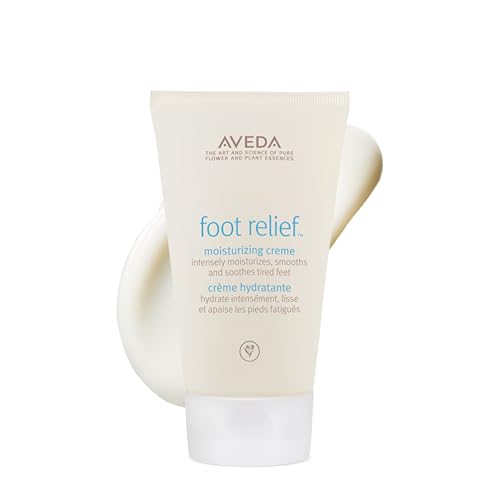
Aveda Foot Relief Moisturizing Creme 4.2 Fl Oz

Tweezerman Sole Smoother Callus Stone
A Breakdown Of The Leading Choices
If you only want one tool in your bathroom drawer, this dual-grit rasp earns its keep. The coarse blade side chews through thick calluses on heels and balls of the feet, while the finer rasp smooths things out without that raw, scraped feeling afterward.
Unlike the Tweezerman ceramic stone coming up later, this one is built from rustproof stainless steel, so you can use it wet or dry and rinse it under the tap. It slips into a gym bag or carry-on without complaint, which makes it a solid companion for anyone who doesn’t want to think twice about maintenance.
Useful Highlights
- Two working surfaces in one tool cut down on clutter and cost.
- Stainless steel body holds up to repeated wet-and-dry sessions.
- Lightweight form factor works for travel, gym, or quick post-shower touch-ups.
- Coarser grit handles neglected heels that lighter tools can’t touch.
Points To Keep In Mind
- The aggressive blade side takes a gentle hand; pressing too hard can irritate healthy skin around the callus.
- Sharper than the Tweezerman ceramic option, so it may feel intimidating if you’ve never used a rasp before.
Best Suited To
Anyone dealing with stubborn, well-established calluses who wants one travel-friendly tool that handles both removal and finishing.
Consider Something Else When
Pick the Tweezerman Sole Smoother if you’d rather start with a softer, ceramic surface and a friendlier learning curve.
Cracked heels respond best to a cream that both softens and chemically exfoliates, and Flexitol’s heel balm is built around that idea. The formula leans on a high urea concentration (urea is a keratolytic, meaning it breaks down rough, thickened skin) to soften callused areas over days, not minutes.
The two-pack format suits anyone who applies it daily, since one tube tends to disappear quickly on neglected feet. Compared with the Soap & Glory cream further down, this one focuses on callus reduction rather than a cushioned, spa-style feel.
A Favorable Mix
- High urea percentage targets thick, cracked heels over time rather than masking dryness.
- Non-greasy texture absorbs before socks go on, which matters for morning routines.
- Two tubes in a pack offer a longer runway before reordering.
- Marketed for daily use on stubborn, scratchy, ashy skin that lighter lotions can’t touch.
Honest Caveats
- Results take consistency; one application won’t reverse months of buildup.
- Stronger urea formulas can sting if applied to cracked, open skin.
Quick Facts
Who Will Love This
People with deeply cracked heels or persistent callus buildup who can commit to applying it every day for a couple of weeks.
A Better Fit Elsewhere
Reach for Soap & Glory Heel Genius if you’d prefer a gentler overnight treatment with a softer scent profile.
The Flowery foot file has a long history in professional pedicure stations, and it’s easy to see why once you hold it. The dual-grit design (60 grit is coarser for tackling tough buildup, while 100 grit smooths and refines) lets you work from heavy callus reduction to a soft finish without switching tools.
Unlike the budget stainless rasp earlier, this one is waterproof, washable, and built to survive years of bathroom-shelf storage. For anyone serious about home pedicures, it’s the kind of tool you buy once and forget about.
Real-World Strengths
- Back-to-back 60/100 abrasives handle both heavy callus removal and finishing in a single pass.
- Stainless steel and waterproof construction tolerate years of wet-and-dry use.
- Familiar grip works for left- or right-handed users without awkward repositioning.
Trade-Offs To Consider
- Larger than the Waieoc rasp, so it’s a bathroom-shelf tool, not a travel one.
- Coarser grit demands a softer touch for anyone new to foot filing.
Feature Snapshot
Made For
Home pedicure regulars who want a professional-style file they can leave out and reach for weekly.
Look Elsewhere When
Try the Tweezerman Sole Smoother if you’d like something smaller, gentler, and easier to control on light callus maintenance.
Heel Genius leans into the overnight treatment angle, which suits anyone who wants results without a separate foot soak step. The formula uses alpha hydroxy acids (water-soluble exfoliants that loosen dead skin cells) to gently resurface dry patches while rich moisturizers rebuild softness underneath.
Compared with Flexitol’s urea-heavy balm, this one feels gentler on skin and easier to wear under cotton socks overnight. The 4.2 oz tube is generous enough for several weeks of regular use.
Bright Spots
- AHA-powered exfoliation targets rough texture without manual scraping.
- Rich overnight hydration makes it ideal for a socks-on routine.
- Familiar Soap & Glory scent makes the treatment feel a bit indulgent.
- Sandal-ready finish for warm-weather routines.
Things To Weigh Up
- Milder chemical exfoliation means slower results than high-urea balms.
- Best applied at bedtime, so daytime use under shoes can feel sticky.
Right Fit For
Anyone wanting a once-a-day overnight cream that doubles as gentle exfoliation without the intensity of a urea treatment.
Another Choice May Suit
Pick Flexitol Heel Balm if your heels are deeply cracked and need a stronger, urea-led approach.
Aveda’s Foot Relief Creme sits at the more botanically driven end of the lineup, leaning on jojoba, castor, peppermint, tea tree, lavender, and rosemary oils. The blend aims to hydrate, cool tired feet, and lightly deodorize, with exfoliating acids added into the formula.
If you’ve used the brand’s hand cream, you’ll recognize the texture and finish here. Compared with Soap & Glory, the aroma leans herbal and clean rather than sweet, which suits people who prefer their foot care unscented-adjacent.
Key Advantages
- Oil-rich blend (jojoba and castor) hydrates without leaving a slick residue.
- Peppermint and tea tree oils give a cooling, refreshed feel post-application.
- Lavender and rosemary oils help mask foot odor naturally.
- Built to layer into a head-to-toe Aveda routine.
Worth Bearing In Mind
- Sits at a higher price tier than the other creams on this list.
- The herbal scent is divisive if you prefer fragrance-free products.
Feature Snapshot
Perfect Match For
Anyone who treats foot care as a self-care ritual and prefers botanical-forward formulas over clinical-strength urea treatments.
Reach For A Different Pick When
Try Flexitol Heel Balm if you want a more clinical, urea-heavy formula aimed at genuinely cracked skin.
The Tweezerman Sole Smoother is the gentlest entry point on this list, pairing a smooth ceramic stone with an ergonomic plastic handle. It’s waterproof and shower-friendly, which keeps the routine simple if you already soak your feet.
Compare this with the Waieoc dual-grit rasp, and the difference is clear: the ceramic surface trades raw cutting power for control. Anyone easing into foot care for the first time will probably appreciate that softer approach.
Positive Points
- Ceramic stone is forgiving on skin and easy to control during use.
- Ergonomic handle keeps pressure steady without cramping your grip.
- Fully waterproof build works in the shower or tub.
- Compact enough to store in a small bathroom drawer.
Some Limits To Know
- Less effective on thick, neglected calluses that need a coarser rasp.
- Best paired with a pre-soak, since dry skin reduces its smoothing effect.
Whose Shelf It Belongs On
Beginners and anyone with mild callus buildup who wants a low-effort, low-pressure tool for weekly maintenance.
Swap It Out When
Pick the Flowery Swedish Clover file if you’ve got years of buildup that a gentler ceramic stone won’t shift.
What To Weigh Before Picking A Foot Exfoliation
Manual Tools vs. Treatment Creams
Manual rasps and stones physically lift dead skin in one session, which is great for visible calluses you want gone before sandals come out. Creams and balms work more gradually through ingredients like urea and alpha hydroxy acids, which soften thickened skin over days. Most people benefit from pairing one of each: a tool for occasional deep sessions and a daily cream for upkeep.
Grit Levels And Abrasive Strength
Grit numbers tell you how coarse a surface is: lower numbers (60) chew through thick calluses, while higher numbers (100 and up) smooth and refine. If you’ve never used a rasp before, starting on the gentler end saves you from overdoing it. Match the grit to your buildup level rather than chasing the most aggressive option.
Formula Strength For Creams
Urea percentages and AHA blends vary widely between foot creams. Higher urea formulas target genuinely cracked heels, while lower concentrations focus on hydration with light exfoliation. If your feet are sore or fissured, gentler formulas absorb more comfortably and sting less on contact with raw spots.
Build Quality And Maintenance
Stainless steel and ceramic tools hold up to repeated wet use far better than plastic-bodied alternatives. Look for waterproof construction if you prefer to file in the shower, and consider grip ergonomics if you have limited hand strength. Creams with secure screw-top lids travel better and resist leaks inside gym bags.
Where Shoppers Slip Up And When To Spend Up
Pitfalls Shoppers Hit
A common mistake is grabbing the most aggressive rasp and pressing too hard, which can leave skin raw or sore for days. Another is treating deep cracks with a light moisturizer and expecting overnight repair, when those calluses usually need a urea-led formula. Skipping a soak before using a manual tool also reduces effectiveness and increases irritation.
What The Higher Tier Buys
Spending more on a cream like Aveda Foot Relief usually buys botanical oils, a more refined texture, and a lighter finish on skin. Higher-end tools often mean more durable construction (ceramic or premium stainless) and better grip ergonomics. For most people, the upgrade pays off when daily comfort and long-lasting tools matter more than upfront cost.
Frequently Asked Questions
How often should I exfoliate my feet at home?
Most people do well with a manual exfoliation once a week and a daily moisturizing cream in between. Buildup-prone heels may benefit from two rasp sessions weekly.
Is urea safe for daily foot creams?
Urea is a common keratolytic used in foot care at varying concentrations. Higher percentages are aimed at thick, callused skin, while lower doses suit everyday moisturizing without irritation.
Can I use a foot file on dry skin?
Light dry filing works for touch-ups, but a brief soak beforehand softens the callus and reduces scraping. Wet filing with a waterproof tool tends to feel smoother and more controlled.
Should I pick a cream or a tool first?
Start with a tool if your main concern is visible calluses you want gone quickly. Begin with a cream if dryness and cracking are the bigger issue, then add a tool once buildup starts to soften.
Are ceramic stones better than metal rasps?
Ceramic stones offer gentler, more controlled smoothing, while metal rasps cut through thicker buildup faster. The right choice depends on callus severity and your comfort with manual exfoliation.
Closing Remarks
The right foot exfoliation comes down to matching the tool or cream to your skin’s starting point. A heavier rasp or urea balm makes sense for years of buildup, while a gentler stone and lighter cream handle routine upkeep. Mix a manual session with a daily moisturizer, and your heels will stay soft long after the initial refresh.