


Cracked heels and rough patches rarely announce themselves before sandals come out or before a long day on your feet catches up with you. If standing all day, running, or just living through dry winters has left your feet looking tired, the right cream can change how they feel within a week. This roundup walks through eight Eucerin formulas that approach foot and body hydration in different ways, so you can match a product to your specific problem instead of guessing in the skincare aisle.
Your Options, Compared

Eucerin Advanced Repair Lotion, Urea Enriched, 16.9 FL OZ

Eucerin Intensive Repair Body Lotion with Urea, AHA and NMF, 16.9 FL OZ

Eucerin Original Healing Lotion, Emollient Enriched, 16.9 FL OZ
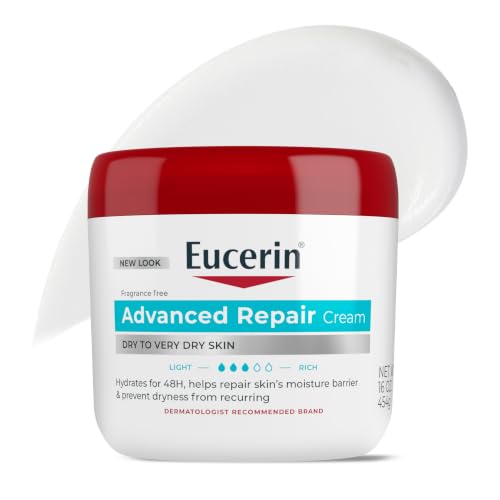
Eucerin Advanced Repair Body Cream with Urea, 16 OZ

Eucerin Advanced Repair Hand Cream, Urea Enriched, Multipack, 3 x 2.7 OZ

Eucerin Roughness Smoothing Lotion with Urea, 16.9 FL OZ

Eucerin Eczema Relief Cream with Colloidal Oatmeal, 14 OZ
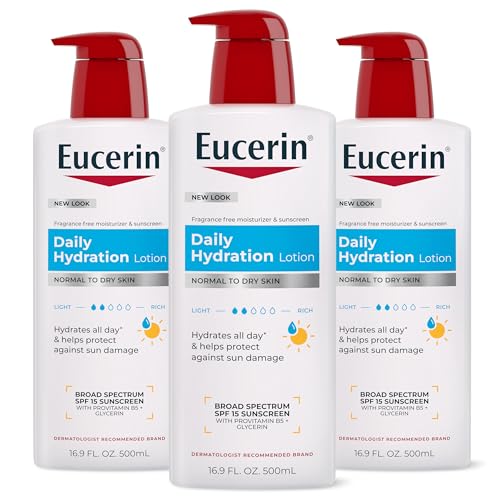
Eucerin Daily Hydration Lotion SPF 15, Multipack, 3 x 16.9 FL OZ
More Details On Our Top Picks
This bottle shows up in a lot of bathroom cabinets for good reason. Urea, a moisturizing ingredient that also gently draws water into the skin, sits at 5% alongside ceramide (a fatty acid that helps repair the skin’s outer barrier) and natural moisturizing factors, the proteins and amino acids skin holds naturally. The texture lands in the middle between a thin summer lotion and a heavy winter cream, so it absorbs fast without leaving a tacky film on socks.
For someone whose feet feel tight after a long workday but aren’t yet cracked, this strikes a nice middle ground. You can use it on legs and arms in the same routine, which keeps the bottle from gathering dust between foot applications.
What Works In Its Favor
- The 5% urea concentration is gentle enough for daily use but still effective on mildly rough patches along the heels and sides of the feet.
- Ceramide helps rebuild the skin barrier, which matters if your heels crack easily each winter when indoor humidity drops.
- The lightweight texture absorbs in under a minute, so getting dressed right after applying does not feel like a gamble.
- One 16.9 ounce bottle lasts roughly two months with daily body use, making it a sensible household staple.
Things To Consider
- For thick calluses that have built up over years, the 5% urea strength may feel underpowered compared to heavier-duty formulas later in this list.
- The pump bottle, when included, can occasionally clog if stored on its side, so upright storage keeps the formula flowing.
Right Fit For
Anyone with mildly dry feet and a normal body lotion routine who wants one product for face-adjacent body skin and heels alike.
Look Elsewhere When
The Eucerin Roughness Smoothing Lotion with Urea suits you better if your heels have visible callusing that needs stronger resurfacing.
Where the first formula hydrates, this one also resurfaces. The combination of 5% urea, alpha hydroxy acid (AHA, a mild acid that loosens the bonds holding dead skin cells together), and natural moisturizing factors targets the dull, flaky layer that tends to build up across shins, ankles, and the tops of the feet. After a week of nightly application, that ashy winter look on legs tends to fade noticeably.
This lands as the right middle step for someone whose skin isn’t cracked but feels rough to the touch. Runners, nurses, and people on their feet all day often describe that itchy, scaly texture across the lower legs, and that is exactly the problem this formula is built around.
What Earns Its Place
- The added AHA means you get mild exfoliation along with hydration, so dead skin sheds without needing a separate scrub routine.
- Skin tends to look brighter within several days, which matters in the summer when sandals are the daily uniform.
- It spreads far; a single pump covers one shin plus the top of one foot comfortably.
Trade Offs
- Because of the AHA component, freshly exfoliated skin can sting briefly if applied right after shaving, so spacing the two routines by a day helps.
- The exfoliating action may be too active for very reactive skin types, in which case the Eucerin Original Healing Lotion offers a calmer alternative.
Key Specs
Best Suited To
Active adults who deal with dull, flaky skin on the lower legs and tops of the feet after workouts or long shifts.
Where Another Pick Suits Better
The Eucerin Advanced Repair Lotion is the smoother daily option for anyone who finds AHAs irritating on freshly shaved legs.
Sensitive skin reacts to almost everything, which makes fragrance-free formulas worth their weight in gold. This one drops the perfume, dye, and pore-clogging oils while leaning on emollients (ingredients that soften and smooth by filling in the gaps between skin cells) to rebuild comfort. The consistency feels richer than the Advanced Repair lotion, which can be a relief on areas like heels and ankles that drink in heavier textures.
You might reach for this if your heels sting after a shower or if a regular body lotion tends to leave a faint red patch along the shin. It plays well with eczema-prone skin too, though the dedicated Eczema Relief Cream later in this list is the more focused option when flare-ups are active.
The Upside
- Free from fragrance and dye, so it sidesteps two of the most common irritants for reactive users.
- The non-comedogenic formula means it can be used along the body without worrying about clogging pores on the upper thighs or chest.
- The emollient base offers a more cushioned feel than lighter lotions, which helps overnight application under cotton socks.
Soft Spots
- It does not contain urea, so thick calluses on the heels will still need a separate exfoliating step.
- The richer texture can feel a bit heavy in humid summer months, especially on the tops of the feet where shoes will trap the residue.
Who It Suits Best
Anyone whose skin flushes or stings with perfumed body lotions, especially when applying to heels or lower legs before bed.
Consider Something Else When
The Eucerin Eczema Relief Cream with Colloidal Oatmeal suits active eczema or psoriasis-prone feet better during flare-up windows.
Cream versus lotion comes down to water content, and this jar leans toward the heavier side. The same 5% urea, ceramide, and natural moisturizing factor trio shows up in the Advanced Repair Lotion above, but the cream base wraps those actives in a richer vehicle. A little goes noticeably further, which is helpful when targeting the rim of the heel or the ball of the foot where calluses tend to form.
Use it as a nighttime treatment, slipping thin socks on after application so the cream has time to penetrate without rubbing off on sheets. After a week of that pattern, the rough ridge along the back of the heel tends to soften enough that a pumice stone makes quick work of any leftover buildup.
Good Reasons To Consider
- The richer base holds moisture against the skin longer than thinner lotions, which suits overnight repair routines.
- A small scoop covers one entire heel, so the 16 ounce jar stretches further than a pump bottle of the same size.
- The same trusted urea and ceramide pairing as the Advanced Repair Lotion means you know what you are getting in terms of active ingredients.
Points To Keep In Mind
- It takes longer to absorb, and waiting five minutes before putting on socks is wise to avoid that slippery-shoe feeling.
- Some users store it in a bathroom cabinet where steam softens the texture, which can cause the surface to develop a slightly wet look over time.
Quick Facts
Made For
People whose heels split in colder months and who are willing to wear socks overnight to lock in the richer texture.
Skip It When
The Eucerin Roughness Smoothing Lotion is a stronger pick if the callusing has built up over multiple seasons and needs a higher urea dose.
Hand creams get the spotlight here, but the same urea, ceramide, and natural moisturizing factor trio that defines the Advanced Repair lotion also works on heels, especially when split open and applied right before bed. The 2.7 ounce tube is sized for a gym bag, a desk drawer, or a carry-on, which makes consistent treatment easier than chasing a big pump bottle around the house.
Three tubes in a single order also sidesteps the scramble when one runs out halfway through winter. Stash one at the office, one in the bathroom, and one in a coat pocket so a midday reapplication becomes automatic.
Useful Highlights
- The travel-sized tube fits in pockets and purses, which removes the friction that often derails foot care routines.
- Free from dye and parabens, which suits anyone sensitive to common preservative ingredients.
- Three tubes per order offers better cost-per-ounce than buying singles over time.
Areas To Watch
- It is labeled as a hand cream, so the texture is tuned for fast absorption on fingers rather than overnight heavy treatment on heels.
- For serious callus buildup, pairing it with a heavier foot cream such as the Advanced Repair Body Cream gives a stronger result.
Right Fit For
Busy travelers, office workers, and anyone who keeps creams in multiple locations to make midday touch-ups easy.
A Better Fit Elsewhere
The Eucerin Advanced Repair Lotion is the smarter pick for full-leg-and-foot routines, since one large bottle covers more area than three small tubes.
When the standard 5% urea has run out of road, the conversation shifts to concentration. This formula doubles the dose to 10% urea and combines it with ceramide and natural moisturizing factors. The higher urea level breaks down the protein bonds in thickened skin more aggressively, which makes it the strongest exfoliating moisturizer in this lineup.
You will feel a faint tingle on freshly applied areas, which is the urea doing its work on built-up skin. Anyone who has worn open-backed shoes through summer, hiked in sandals, or stood on hard floors for years will recognize the type of rough, almost waxy skin this targets.
Positive Takeaways
- The 10% urea level handles thick, established calluses that lower concentrations cannot shift.
- The lotion still absorbs quickly, which is unusual for a product with this much active resurfacing power.
- Long-term users often report visible smoothing on elbows, knees, and heels within two weeks of nightly use.
Honest Caveats
- The stronger concentration can irritate sensitive skin, so patch testing on a small area of the heel before full use is wise.
- Owners commonly report a faint medicinal scent that fades within minutes but is noticeable right out of the bottle.
Feature Snapshot
Who Should Grab It
Adults with long-standing callusing on heels, knees, or elbows who have found gentler formulas leave them stuck.
Reach For A Different Pick When
The Eucerin Original Healing Lotion suits reactive skin better, since the lower-strength formula avoids the tingle this one can produce.
Eczema on the feet shows up as itching, redness, and tiny blisters that can crack open and sting. Colloidal oatmeal (finely ground oat flour that soothes and protects inflamed skin) is a long-trusted ingredient for that pattern, and this cream builds the formula around it. The cream base is richer than the standard lotions, which helps lock in moisture over scaly patches during a flare-up.
This is the option to keep on hand if your feet react to weather shifts, certain soaps, or prolonged sweating in work boots. Apply it at the first sign of a flare rather than waiting for the skin to crack, and the soothing effect tends to settle the itch within a day or two.
Practical Advantages
- The colloidal oatmeal base soothes itching during active flare-ups, which can break the scratch cycle that worsens eczema.
- Free from steroids, fragrance, and dyes, making it gentle enough for daily use on sensitive skin.
- Recognized by the National Eczema Association, which signals it has passed that organization’s review criteria.
Where It May Fall Short
- It is not a urea formula, so it will not soften established calluses the way the Roughness Smoothing Lotion does.
- The thicker cream can feel heavy under socks during warm weather, so nighttime application often works best.
Perfect Match For
People with eczema-prone feet who need a soothing daily cream for flare-prone seasons and reactive skin.
Another Choice May Suit
The Eucerin Original Healing Lotion is a friendlier everyday option when no active flare-up is present, since it absorbs faster.
Sun damage hits the tops of the feet and the ankles more than most people realize, especially during beach days, long drives, or anywhere sandals are the daily shoe. This lotion folds SPF 15 sun protection into a daily moisturizer, so the same bottle handles hydration and basic UV defense in one step. The pump bottle makes morning routines feel quicker, and the three-pack keeps backups in rotation.
You get the most out of it as a daytime cream on the tops of the feet and the front of the shins, where sun exposure tends to hit. For evening foot treatment, layering a richer urea-based product on top builds a fuller routine.
Where It Excels
- The built-in SPF 15 offers basic sun protection for the tops of the feet and ankles during everyday exposure.
- Sunflower oil and pro-vitamin B5 add a softening touch, which suits post-sun skin that feels tight.
- The fragrance-free formula plays well with sensitive skin on the legs and chest.
- The three-pack works out to better per-bottle value, which suits households that go through lotion quickly.
Less-Strong Areas
- SPF 15 is mild protection compared to dedicated sunscreens, so extended beach days call for a stronger sun product layered over it.
- It does not contain urea, so thick calluses on the heels need a separate exfoliating treatment.
Whose Shelf It Belongs On
Anyone who spends time in sandals or open shoes and wants a single daytime product for legs and feet.
Swap It Out When
The Eucerin Advanced Repair Lotion is a better nighttime choice, since it skips the sun-protecting actives in favor of stronger hydrating ingredients.
Picking A Foot Cream That Actually Works
The right foot cream depends less on the brand name and more on the texture of your skin and when you plan to apply it. Foot skin is thicker than the skin on the rest of your body, which is why a face moisturizer often feels like nothing on a heel.
Understanding Urea Strength
Urea is the workhorse ingredient across most of these formulas. At 5% it hydrates gently, and at 10% it actively breaks down thickened skin. Most people with mildly dry feet do well at 5%, while anyone with visible callusing along the rim of the heel usually needs the stronger dose to see real progress.
Texture And Timing
Lotions absorb faster and slip under socks in a minute, which suits morning routines. Creams sit on the surface longer and work better as overnight treatments under thin cotton socks. If you only have time for one application a day, choose the texture that matches your schedule.
Fragrance And Sensitivity
Foot skin on the top of the foot and between the toes can react to fragrance and dye even when leg skin tolerates them. Anyone with a history of reactive skin or eczema should default to fragrance-free formulas such as the Original Healing or Daily Hydration options.
When To Add Sun Protection
The tops of the feet see more sun than the soles ever will, and that exposure adds up over years. A daytime lotion with SPF handles the basics, while dedicated sunscreen suits long outdoor days.
What To Know Before You Buy
Traps First Timers Fall Into
The most common mistake is reaching for the thickest cream on the shelf and expecting overnight results. Thick creams work best as overnight treatments under socks, while lighter lotions suit daytime use. Picking one and ignoring the other leads to frustration. Another pitfall is using body lotion on cracked heels without pairing it with exfoliation. A pumice stone or foot file once a week, paired with a urea-rich cream, does more than any single product alone.
Why Top Tier Costs More
Higher urea concentrations, targeted actives like AHA, and added sun protection all raise the cost per bottle. The 10% urea Roughness Smoothing Lotion costs more because it contains twice the active ingredient. Multipacks, such as the Daily Hydration SPF option, bring the per-bottle cost down because you buy three at once. Paying more often buys a stronger active load rather than fancier packaging, which matters more for stubborn calluses than for everyday dryness.
Frequently Asked Questions
How often should you apply foot cream?
Most foot creams perform best with at least one application per day, and twice daily tends to speed up results on rough heels. The exception is daytime SPF formulas, which should be reapplied every two hours during direct sun exposure.
Is urea safe for sensitive skin?
At 5% concentration, urea is generally well tolerated even by reactive skin. At 10%, the same ingredient can sting on freshly exfoliated or cracked skin, so patch testing on a small area first is wise.
Can you use body lotion on your feet?
Regular body lotion hydrates the tops of the feet but rarely has enough active ingredient to soften thick heel calluses. A dedicated foot cream with urea or AHA delivers more meaningful results on the thicker skin along the rim of the heel.
Should you wear socks after applying foot cream?
Thin cotton socks lock in richer creams overnight without making the feet overly warm. Going sockless lets the cream rub off on sheets and reduces absorption.
How long does a foot cream take to work?
Most people notice softer skin within three to five days, while visibly smoother calluses usually take two to three weeks of consistent nightly treatment.
Closing Thoughts
Foot creams work best when you match the formula to the specific problem on your skin rather than reaching for the most expensive jar. A simple urea-rich daily lotion handles mild dryness, while thicker calluses benefit from stronger 10% urea or AHA blends. Pick the texture that fits your routine, stay consistent, and your heels will usually catch up within a few weeks.