


A broken foot reshapes daily life in ways most people don’t anticipate until they’re living it. Simple errands turn into logistics problems, and the wrong footwear can turn recovery into a longer, more painful process. This guide walks through nine focused picks built for different stages of healing and different recovery situations, so you can move with a little more confidence while your foot mends.
The Choices Worth Comparing

BraceAbility Short Walking Boot for Broken Toe Injuries

Mars Wellness Cast Sock Toe Cover Protector

Jewlri Air Walking Boot, Tall Fracture Boot (M)

EVENup Shoe Lift for Walking Boot, Adult Large
EVENup Shoe Lift for Walking Boot, Adult Medium
EVENup Shoe Lift for Walking Boot, Adult Small

Darco AllRound All-in-One Healing Shoe, XL
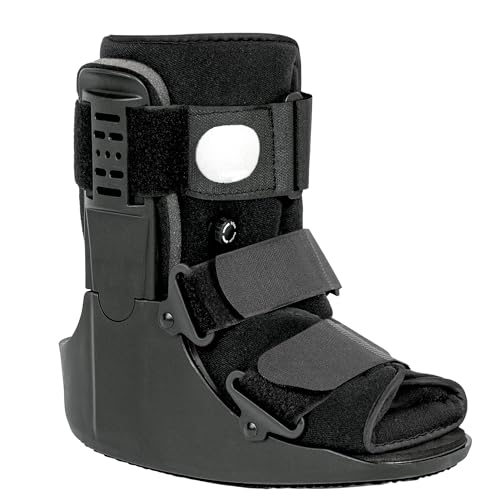
Jewlri Walking Boot for Broken & Injured Foot (M)
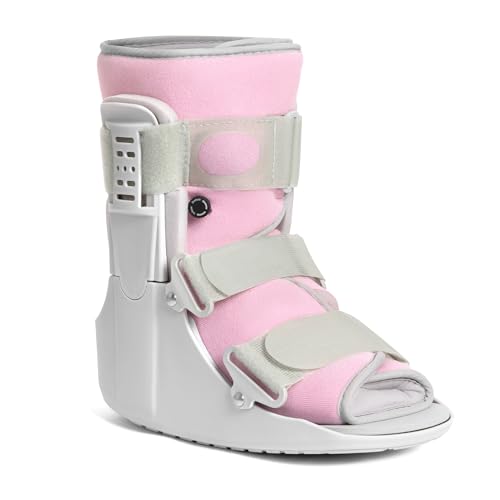
Jewlri Air Cam Walker Boot for Broken Foot (M)
A Breakdown Of The Leading Choices
Short walker boots (low-top walkers that stop below the calf rather than running up the leg) suit a specific recovery pattern, and this BraceAbility model targets it well. The shorter profile keeps weight and bulk off the shin, which matters when your injury is in the forefoot or toes and not the ankle.
People healing from metatarsal stress fractures, broken toes, or post-bunion work often find tall walkers overkill. BraceAbility’s foam liner and open-toe frame give the forefoot room to swell through the day, a real benefit during the first weeks when edema (swelling caused by fluid pooling in tissue) tends to flare after activity.
Well-Handled Touches
- Wide, open toe box leaves room for dressings and swelling without compressing sore spots.
- Padded foam liner adds cushion against the rigid shell, useful during long days on your feet.
- Works on either foot, so you don’t have to track left versus right at checkout.
- Lower height than a full cam walker means less bulk under pant legs.
Honest Caveats
- Provides less ankle stabilization than the tall Jewlri boots reviewed below.
- Sizing runs on a tighter curve, and you may need to measure carefully.
Who It Suits Best
Anyone with a broken toe, metatarsal fracture, or forefoot injury who needs immobilization but doesn’t require ankle support.
Skip It When
Tall Jewlri Air Walking Boot is the better match if your fracture or sprain involves the ankle and you need rigidity further up the leg.
Walking boots and casts leave the toes exposed, which becomes a problem the moment rain shows up or a kitchen crumb finds its way inside. The Mars Wellness Cast Sock covers that gap with a soft fabric sleeve that slips over the front of the boot.
Unlike the boots above, this isn’t structural footwear. It’s an accessory piece, and it earns its place by solving one specific problem: keeping the toe area clean, warm, and shielded from debris during everyday outings. People who head to physical therapy appointments or back to work in a boot tend to appreciate the added hygiene.
Useful Highlights
- Slip-on design with an adjustable strap fits a range of boot and cast shapes.
- Soft, breathable fabric prevents the condensation that builds up under plastic shells.
- Adds a layer of warmth in cold weather without trapping too much heat indoors.
Points To Keep In Mind
- Provides no medical support, so it complements rather than replaces a walking boot.
- Fabric construction requires gentle washing rather than wipe-down cleaning.
The Right Fit
Anyone wearing a boot or cast during colder months or in messy environments who wants to keep toes clean and dry.
A Better Fit Elsewhere
The BraceAbility Short Walking Boot is the right starting point when you need actual injury support, with this Mars Wellness cover as a useful add-on.
The tall Jewlri Air Walking Boot adds inflatable air cells inside the liner, a feature you won’t find on simpler walkers. You pump them up with a hand bulb to press the liner against the leg, which tightens the fit and reduces how much the foot slides inside the boot.
Compare that to the BraceAbility short boot’s foam-only approach. The air system here adds bulk and a learning curve, but it gives you adjustable compression throughout the day as swelling changes. People with ankle sprains, stress fractures higher on the foot, or post-op recovery needs often find this rigidity reassuring.
What It Does Well
- Inflatable air cells deliver adjustable compression that responds to swelling patterns.
- Tall rigid frame stabilizes the ankle and lower leg during the early recovery phase.
- Rocker sole encourages a smoother heel-to-toe gait than a flat-bottomed boot.
- Compatible with either foot, so reordering for the other side stays simple.
Worth Noting
- Taller profile takes up more space in bags and under clothing.
- Air pump mechanism can wear out over months of heavy use.
Quick Facts
Who Will Love This
Anyone with a midfoot fracture, ankle sprain, or post-surgical recovery who wants rigid support plus adjustable compression.
Where A Sibling Pick Shines
Switch to the Jewlri Air Cam Walker Boot when you want a lighter, lower-profile air boot for daily wear under pants.
Walking boots add two to three inches of sole height, and that offset creates hip and back pain fast. The EVENup Shoe Lift counters it by adding matching height under your opposite shoe, so your legs stay closer to even while the boot does its job.
Three height options come built in, and you stack the inserts based on how tall your boot is. For larger feet (Adult Large), the platform needs to fit over a regular shoe, and the version 2 design tightens the strap pattern so the lift stays put through longer walks.
Everyday Perks
- Three stackable heights let you match the lift to your specific boot’s sole thickness.
- Straps secure the unit to most casual and athletic shoes without sliding off.
- Reduces hip and lower-back strain during longer outings.
- Works for ongoing leg-length discrepancies once the boot comes off.
Trade Offs
- Adds noticeable weight to the uninjured foot.
- Strap fit varies by shoe type, so lace-ups work better than slip-ons.
Made For
Larger-footed adults in tall boots who feel hip or back strain from uneven gait and want a tunable leveling solution.
Not Your Match When
The EVENup Medium version is the better fit if your shoe size sits in the middle of the scale and the Large runs oversized.
The Medium EVENup covers the most common sizing range, and it shares the version 2 design language with the Large reviewed above. If your everyday shoes fit the medium bracket, you’ll likely find this version sits more securely than stepping down to Small or up to Large.
Owners commonly report that the Medium strikes a useful middle ground, generous enough to fit over a sneaker but not so long that it drags during shorter strides. The stackable height system is identical across sizes, so the choice here is really about shoe fit rather than functionality.
Where It Helps
- Mid-range sizing covers a wide portion of adult shoe sizes.
- Three height layers match the gap your specific boot creates.
- Stabilizes posture during recovery walks and errands.
Smaller Caveats
- Adds weight that takes a short adjustment period.
- Doesn’t fit sandals or other open-heel shoes.
Key Attributes
Perfect Match For
Mid-sized adults using a tall walking boot who want to reduce uneven gait strain on the hips and lower back.
Look Elsewhere When
The EVENup Small version suits shoppers with smaller feet who find the Medium too long or loose on their uninjured shoe.
The Small EVENup closes the gap for shoppers whose feet sit below the standard medium range. A mismatched size here undermines the whole point: if the lift is too long, it bumps the ground mid-stride and makes walking harder than the boot alone.
Compared to the Medium version, the Small cuts down the platform length without changing the height options. The trade-off is a smaller contact area under the shoe, which means it works best on lower-profile sneakers and casual shoes rather than bulky boots.
Advantages To Know
- Trimmer profile suits smaller shoe sizes without dragging.
- Same three-layer height system as the larger EVENup models.
- Strap design holds on to slim shoe shapes.
Points To Note
- Less platform area can feel less stable on uneven pavement.
- Not designed for high-top shoes or boots on the uninjured side.
Whose Shelf It Belongs On
Smaller-footed adults wearing a walking boot who want a properly fitted leg-length equalizer without excess length under the shoe.
Reach For A Different Pick When
The EVENup Medium is the smarter pick if your shoe size sits between small and large and a longer platform won’t get in your stride.
The Darco AllRound isn’t a fracture boot. It’s a post-op healing shoe, the kind clinicians hand out when you’re past the immobilization phase but still need protection. Closed-toe construction sets it apart from open sandals often used during wound care.
Where the Jewlri boots lock the foot in place, this Darco gives it room to flex under a rounded, protective shell. That makes it useful for people transitioning back to light activity, returning to work in environments where open toes aren’t allowed, or managing arthritis alongside recovery.
The Helpful Details
- Closed toe shields bandages from dirt, rain, and incidental bumps.
- Rounded sole reduces pressure points during the late-recovery stage.
- Works on either foot, simplifying wardrobe decisions.
- Discreet enough to wear as a regular shoe in low-impact settings.
Things To Consider
- No rigid ankle support, so it’s not a substitute for a true fracture boot early on.
- Runs on the roomier side, which matters when bandages aren’t adding bulk.
Right Fit For
Anyone transitioning out of a rigid boot who still needs protected, closed-toe footwear for daily wear and work settings.
Consider Something Else When
The Jewlri Walking Boot for Broken & Injured Foot is the better starting point during active immobilization, before stepping down to this Darco.
This mid-range Jewlri walker sits between the air-equipped tall boot and the short BraceAbility reviewed above. It uses a thick, shock-absorbing insole instead of inflatable air cells, which keeps the design simpler and the weight down.
The boot fits either foot and handles a broad mix of conditions: sprained ankles, metatarsal fractures, soft-tissue injuries, and general post-op support. People who don’t need adjustable compression but still want solid immobilization often land here, since the insole does the comfort work without extra hardware.
Positive Points
- Cushioned insole absorbs shock during longer walks and errands.
- Rigid shell supports both ankle and foot fractures.
- Universal left/right design simplifies reorders and shared use.
- Lighter than the air-equipped Jewlri tall boot.
Where It Is Less Suited
- No adjustable compression, so swelling management is more passive.
- Sizing hinges on measuring the injured foot, which can shift day to day.
Feature Snapshot
Best Suited To
Anyone needing reliable fracture or sprain immobilization without the bulk or complexity of an air-pump system.
Where Another Pick Suits Better
The Jewlri Air Walking Boot earns its place if you want tunable compression that adjusts to swelling through the day.
The Air Cam Walker Boot takes the inflatable-cell concept from the tall Jewlri boot and reshapes it into a slimmer, lower-key package. Where the standard tall boot runs high up the calf, this one trims the frame back, which makes it less intimidating under pants and skirts.
For a medium-sized frame, the fit window covers women’s shoe sizes 7 through 10 with foot lengths between 9.4 and 10.4 inches. The gray rigid shell looks closer to an athletic shoe than a hospital boot, and that matters when you’re heading back to a desk job partway through recovery.
What Helps Most
- Slimmer profile hides more easily under everyday clothing.
- Air-cell compression adjusts to swelling without removing the boot.
- Rocker sole promotes a natural stride during short outings.
- Neutral gray color blends into work and casual wardrobes.
Honest Caveats
- Provides less ankle support than the taller Jewlri Air Walking Boot.
- Sizing based on the swollen foot, so remeasure if your injury is recent.
Built With In Mind
Medium-footed shoppers who want air-cell compression with a lower, more discreet profile than the full tall boot.
Swap It Out When
The Jewlri Air Walking Boot fits better if your injury requires maximum ankle immobilization and the slimmer frame here feels too short.
How To Pick The Right Recovery Footwear
The right pick depends less on the injury label and more on where you are in recovery and what your days actually look like. A short walker like the BraceAbility handles forefoot injuries without the bulk of a tall boot. A tall cam walker, including Jewlri’s air-equipped versions, suits ankle and lower-leg fractures where rigidity above the ankle matters.
Matching your boot to your day matters as much as matching it to the injury. If you’re returning to work partway through recovery, a slimmer profile like the Jewlri Air Cam Walker Boot slips under desk clothes more easily. If your day involves uneven pavement or stairs, the rocker sole on Jewlri’s tall boots reduces the ankle flexion those surfaces demand.
Don’t skip the leg-length question. Walking boots add real height, and ignoring that gap leads to hip and back pain that lingers after the foot heals. The EVENup shoe lifts reviewed above close that gap with stackable inserts, and they’re worth pairing with any boot.
Finally, consider post-recovery use. The Darco AllRound healing shoe steps in when the rigid boot comes off but the foot still needs protection. Picking that transition shoe early avoids a gap where you go from full immobilization straight into regular sneakers too soon.
Shopping Smarter For Broken Foot Footwear
Common Buying Slip Ups
Sizing by your regular shoe size is the most common misstep, since swelling and bandages add volume the boot needs to accommodate. Measure the injured foot as instructed in each product’s chart, and check whether the boot runs small or generous based on the manufacturer guidance. Forgetting about the uninjured side is the second trap: tall walking boots add two to three inches of height, and skipping an EVENup lift creates hip and back strain within days.
When Paying More Pays Off
Higher-tier options in this category usually add air-cell compression, rocker soles, or lighter frames. Air cells earn their place when swelling fluctuates during the day and you want tunable support. Rocker soles help when you’re walking longer distances or navigating uneven surfaces. A lighter frame matters if you’re returning to work in business attire where bulk under pants becomes a daily frustration. For straightforward short-term forefoot injuries, a simpler walker does the job without those extras.
Frequently Asked Questions
How do I choose the right size walking boot for a broken foot?
Measure your injured foot’s length and ankle width and compare against the manufacturer’s size chart rather than relying on your regular shoe size. Swelling and bandaging can change your fit considerably, so recheck if your injury is recent.
Can I wear a walking boot on either foot?
Most of the boots and accessories in this guide, including the BraceAbility and Jewlri models, are designed to fit either the left or right foot. The EVENup shoe lifts come in separate left and right configurations, so double-check before ordering.
How long should I wear a walking boot each day?
Follow your clinician’s guidance on daily wear time, since the answer depends on the injury type and healing stage. Most users wear the boot during all weight-bearing activity and remove it for sleeping, icing, and elevation periods.
Do I need a shoe lift if I’m wearing a walking boot?
Adding a shoe lift to your opposite foot helps even out your gait and reduces strain on your hips, knees, and back. The EVENup versions reviewed above offer stackable inserts to match the height of most walking boots.
What comes after the walking boot during recovery?
Post-immobilization footwear like the Darco AllRound healing shoe bridges the gap between a rigid walker and regular sneakers. It protects the still-healing foot while allowing more natural movement than a full cam walker allows.
Closing Remarks
Recovery footwear works best when it fits the stage you’re actually in, from active immobilization through gradual return to normal shoes. Match the boot to the injury, account for swelling and leg-length balance, and plan ahead for the transition out of rigid support. The picks above cover each of those moments with attributes that hold up in real recovery situations.