


A broken foot turns simple movement into a slow, deliberate project. The right compression layer under a walking boot, cast, or brace helps control swelling and keeps friction off sensitive skin, which matters more than most shoppers realize during the first few weeks of recovery. I’ve put together five options that handle very different stages of healing, from full-cast liners to lighter ankle sleeves you can wear long after the boot comes off.
A Side-By-Side Look
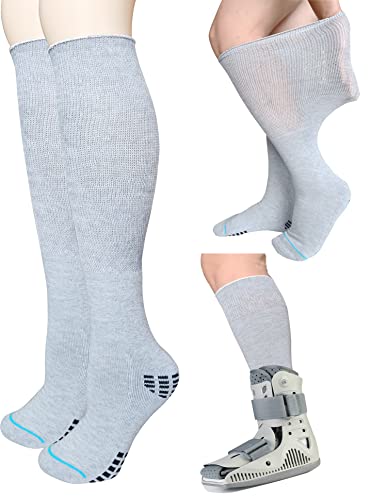
LORVVDE Walking Boot Socks for Orthopedic Walker Brace
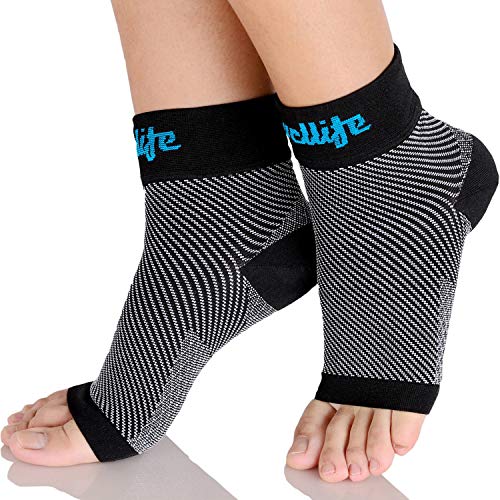
Dowellife Plantar Fasciitis Socks & Arch Support Sleeves

POWERLIX Compression Socks 20-30 mmHg Knee-High

Modvel Foot & Ankle Brace Compression Socks

SB SOX Ankle Brace Compression Sleeve
Taking A Closer Look At The Options
A fractured foot that needs a full orthopedic boot demands a different kind of sock than a typical ankle sleeve. LORVVDE makes a dedicated liner that slips between your skin and the hard plastic shell of a walking boot or air cast, which is the layer most people forget to plan for.
The two-pack format matters during the first month of wear, since liners get sweaty and need frequent rotation. Compatibility across air cam walkers, post-op shoes, and standard fracture boots makes it a flexible grab during recovery.
What Earns Its Place
- Two-pack rotation means a fresh liner is always ready while the other airs out.
- Designed specifically for orthopedic walker braces and air cam boots, not repurposed from a sport sock.
- Reduces skin-on-plastic friction that can cause hot spots during long wear sessions.
- Compatible with most post-op surgical shoes and standard fracture boots in the recovery phase.
Things To Consider
- Specific fabric blend isn’t detailed in the listing, so wash care is best handled with gentle cycles.
- Intended only for use under a boot or cast, not for standalone wear after the boot comes off.
Feature Snapshot
Right Fit For
Anyone in the first several weeks of a walking boot or cast, when skin protection and liner rotation matter most.
Look Elsewhere When
Healed shoppers looking for everyday ankle support should reach for the Modvel sleeve instead, since it handles active wear far better.
The Dowellife sleeve sits in a different category from the LORVVDE liner. Instead of living under a hard boot, it provides gentle compression across the arch and ankle for the lighter stages of recovery or for lingering soreness after a fracture heals.
Moisture-wicking knit keeps the foot cooler during long days on crutches or at a desk. In our view, this is a sensible bridge between cast life and full activity.
The Upside
- Lightweight fabric that breathes well under a sock or slipper.
- Targets the arch and ankle together, which matters for plantar fascia strain after immobilization.
- Slips on easily when bending down to your foot is still uncomfortable.
- Useful for both achilles tendonitis and heel spur discomfort during recovery.
Trade Offs
- Compression level is mild, so it won’t replace a stronger medical-grade stocking during peak swelling.
- Hand-washing extends lifespan, which adds a small step to the routine.
Made For
People easing back into shoes after a fracture, or anyone managing arch and ankle soreness during the later recovery phase.
Consider Something Else When
The POWERLIX stockings suit shoppers with whole-leg swelling that extends past the ankle.
Where the LORVVDE liner and the Dowellife sleeve focus on the foot and ankle, the POWERLIX stockings deliver graduated compression from the foot all the way to just below the knee. The 20-30 mmHg range, a measurement of how much pressure the fabric applies at the ankle, places this firmly in medical-grade territory.
For shoppers with neuropathy or full-leg swelling tied to a foot fracture, the knee-high reach helps push fluid upward. You may find the snug fit takes a few wears to get used to, especially first thing in the morning.
A Strong Showing
- 20-30 mmHg graduated compression is the level often recommended for significant post-injury edema.
- Knee-high cut supports the calf, which matters when reduced mobility slows circulation.
- Useful well beyond fracture recovery, including for neuropathy and chronic swelling.
- Structured knit holds its compression through repeated washes better than lighter sleeves.
Minor Gripes
- Pulling them on over a freshly injured foot requires patience and care.
- Compression this firm isn’t suitable for every medical condition, so professional guidance is wise.
Spec Overview
Best Suited To
Shoppers with calf or whole-leg swelling during recovery, or anyone who needs a stronger compression class than basic sleeves offer.
Swap It Out When
The LORVVDE liner is the smarter pick if you’re still wearing a hard walking boot, since knee-high stockings won’t fit under one.
The Modvel sleeve is built for movement. While the POWERLIX stockings stay anchored in medical compression territory, this one aims at the transition phase when you’re walking more, exercising lightly, or returning to a job that keeps you on your feet.
Soft, stretchy knit stays in place without the bulk of a rigid brace. Depending on your activity level, it works equally well under a sneaker or on its own around the home.
Bright Spots
- Stays put during walks and light runs without constant readjustment.
- Targets tendonitis and arthritis alongside fracture recovery, giving the sleeve a longer useful life.
- Flexible enough to wear inside most casual shoes during the return-to-activity phase.
- Lightweight enough to forget you’re wearing it after the first few minutes.
Small Caveats
- Compression is moderate, so it may not satisfy shoppers needing the firmer 20-30 mmHg class.
- Won’t fit under a hard walking boot the way the LORVVDE liner does.
Who It Suits Best
Active recoverers moving from the boot stage back into shoes, shoes who need light support through daily errands or short workouts.
Reach For A Different Pick When
The Dowellife sleeve is a stronger match if arch support is the main complaint rather than general ankle stability.
The SB SOX sleeve rounds out the list with a notably wide size range, which makes it a sensible pick for shared households or anyone whose foot falls outside standard small-to-large sizing. Like the Modvel, it targets general ankle compression rather than the full-leg pressure of the POWERLIX stockings.
For most backyards and household routines, this sleeve provides enough compression to manage fatigue without feeling overbuilt.
Practical Advantages
- Size range from small through extra-large covers a broader audience than most competitors.
- Targeted compression eases plantar fasciitis, achilles tendonitis, and post-injury fatigue in a single sleeve.
- Maintains a comfortable range of movement while still providing structure.
- Works well as a multi-purpose sleeve once recovery is complete.
Where It May Fall Short
- Specific compression rating isn’t listed, so shoppers needing firm 20-30 mmHg pressure should look elsewhere.
- Heel-circumference sizing can be tricky to measure accurately without a soft tape.
Key Product Details
Built With In Mind
Multi-user households or shoppers with feet outside the typical size range who want one sleeve that fits many roles.
Where A Sibling Pick Shines
The POWERLIX 20-30 mmHg stockings serve shoppers whose swelling extends well above the ankle.
What To Weigh Before Picking Compression Socks For A Fractured Foot
Compression garments get lumped together in shopping results, but they serve very different jobs during fracture recovery. The right pick depends on which stage of healing you’re in, what kind of footwear you’re wearing, and how much pressure your doctor has actually recommended.
Match the sock to the phase you’re in. Liners like the LORVVDE pair only make sense while you’re still wearing a hard boot or cast. Once the boot comes off, ankle sleeves and stockings take over. Buying the wrong type for your stage means the sock either doesn’t fit or doesn’t help.
Compression level matters more than marketing language. Light sleeves (often 15-20 mmHg) suit everyday soreness, while 20-30 mmHg is the medical-grade threshold used for significant swelling and post-surgical recovery. The number isn’t always on the listing, so ask before assuming a sleeve delivers firm pressure.
Length follows where swelling lives. Ankle sleeves target the joint, while knee-high stockings help push fluid up from the calf. For most foot fractures, an ankle sleeve is enough, but calf or whole-leg heaviness points toward a longer stocking.
Sizing is the most common miss. Heel-circumference measurements (like those on the SB SOX listing) often predict fit better than shoe size, especially in the first weeks when swelling changes the picture.
Smart Choices Across This Category
Where Shoppers Go Wrong
Many shoppers grab a sport compression sock expecting it to handle fracture recovery the same way it handles a gym session. The problem is fit and pressure. Sport socks rarely provide the graduated compression (tighter at the ankle, looser up the leg) that helps move fluid away from an injured foot. Others buy knee-high stockings without realizing they won’t fit under a walking boot, which means the sock just sits in a drawer until the boot comes off. Measuring heel circumference and checking the stage of recovery before buying prevents both problems.
Where The Extra Money Goes
Higher-tier compression stockings like the POWERLIX pair earn their cost through graduated pressure that holds up wash after wash, structured knit that doesn’t bag out, and sizing options calibrated for medical use. The upgrade makes sense when swelling extends past the ankle, when recovery will run several weeks, or when the stocking will keep serving you after the fracture heals. For a short two-week stint in a boot, a basic liner handles the job just fine.
Frequently Asked Questions
Can compression socks be worn directly over a fractured foot without a boot? No. A fractured foot typically needs immobilization from a cast or walking boot before any compression layer goes on. Compression socks are added under or after that support, not in place of it.
What compression level is appropriate during fracture recovery? Light 15-20 mmHg sleeves suit everyday soreness, while 20-30 mmHg stockings are commonly used for significant swelling. The right choice varies by individual, so professional input matters.
How long should compression socks be worn each day during recovery? Most wearers use them during waking hours and remove them at night, though the exact schedule depends on the injury and any guidance from a medical professional.
Can compression socks be washed in a regular machine? Most knit compression garments hold up best with gentle machine cycles in cold water and air drying, since high heat can damage the elastic.
When should compression socks be replaced during long recoveries? When the fabric stops springing back, the pressure feels looser than when new, or the knit shows visible wear, it’s time for a replacement to keep support consistent.