


Arthritis in the feet and ankles turns a simple morning walk into a negotiation. Stiff joints, swollen tissue, and that deep ache around the arch and heel can linger for hours after you stop moving, and finding a brace that softens the impact without turning every shoe into a wrestling match is harder than it sounds. The picks below lean on compression sleeves, infrared-infused knits, and structured braces that target the joint, not just the skin around it. Whether you’re managing daily stiffness or pushing through flare-ups on long shifts, these are the options worth comparing first.
The Choices Worth Comparing

TechWare Pro Ankle Brace Compression Sleeve 2 Pair Bundle (L/XL)
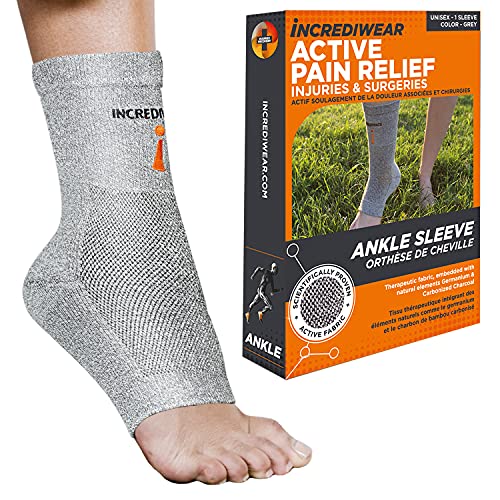
Incrediwear Ankle Sleeve Infrared Ankle Brace (Grey, Small/Medium)
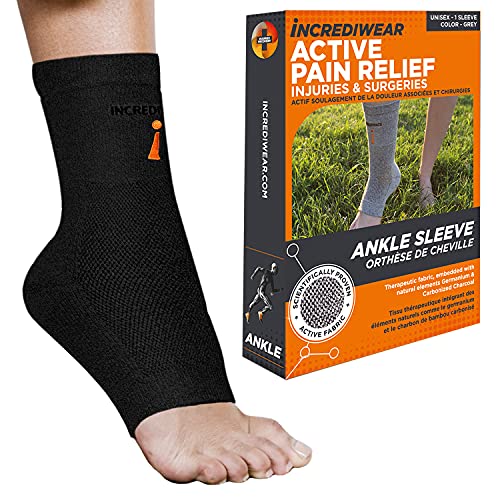
Incrediwear Ankle Sleeve Infrared Ankle Brace (Black, Small/Medium)
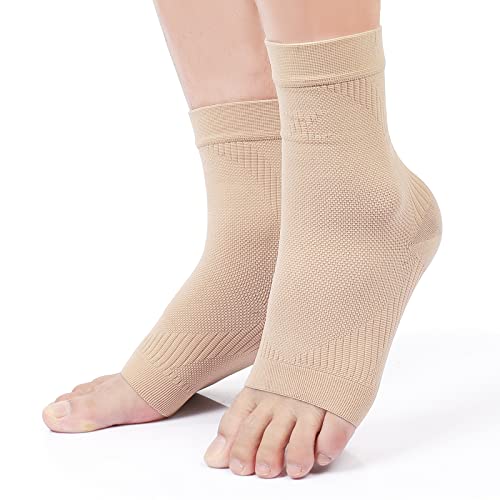
KEKING Ankle Brace Compression Sleeve for Plantar Fasciitis & Achilles

Back on Track Physio 4-Way Stretch Foot and Ankle Brace

PhysFlex Ankle Brace Support Compression Sleeve for Tendonitis & Arthritis
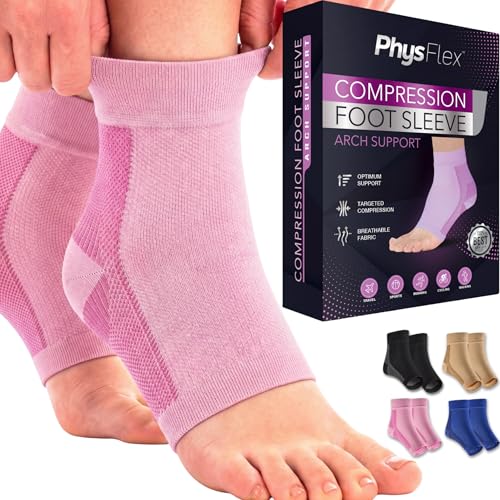
PhysFlex Ankle Brace Socks Compression Sleeve for Foot Support
Incrediwear Ankle Sleeve Infrared Ankle Brace (Grey, Large)
Meet The Standout Selections
For arthritis sufferers who don’t want a bulky brace telegraphing through every shoe, the TechWare Pro sleeve earns its slot early. The knit is genuinely slim, which matters when you’re sliding into a loafer or a low-top sneaker on a workday morning. It applies firm, even pressure around the tendon and joint without the pinched feeling that cheaper sleeves tend to leave behind.
The two-pair bundle (black and beige, L/XL) covers both color and rotation needs, since stretching a single sleeve daily cuts its lifespan. Compared with the infrared options later in this list, this is the more traditional compression-first approach. That makes it predictable: put it on, get support, take it off at night.
The Helpful Details
- Thin profile fits comfortably inside most everyday shoes without bulk
- Moisture-wicking fabric reduces the damp, sticky feeling on warm days
- Strong compression around tendons and muscles to assist circulation
- Two-pair bundle extends usable life and lets you match shoes
Things To Consider
- L/XL sizing can run tight on swollen feet, so measure carefully before ordering
- Compression knit loses elasticity after repeated machine washes
Who It Suits Best
You need a low-profile sleeve you can wear through a full workday under dress shoes or sneakers without constant adjustment.
Consider Something Else When
Runners logging long distances will get more arch and heel lockdown from the PhysFlex Ankle Brace Support Compression Sleeve reviewed below.
Where the TechWare Pro leans on tight compression, the Incrediwear sleeve takes a different angle: the fabric is infused with elements that emit far-infrared waves when warmed by body heat. There’s no battery, no cord, and no squeeze, just a Lycra-nylon blend that works with circulation rather than against it. For people whose joints rebel against tight pressure, that approach tends to feel more forgiving over long stretches.
The Small/Medium grey version is the most common fit, and the sleeve pulls on like a tall sock. It works under most shoes and stays put during desk work, light walks, or short errands. The honest read is that the warming sensation is subtle rather than dramatic, so patience matters in the first week.
A Few Strong Suits
- Element-infused knit promotes circulation without tight compression
- No batteries or cords required for the warming effect
- Lycra-nylon blend stretches comfortably over swollen joints
- Slips on like a sock, making it easy to wear under casual footwear
Worth Noting
- Therapeutic warmth builds gradually and may not satisfy users seeking immediate relief
- Hand-washing extends the life of the infrared element blend
Made For
You want gentle, circulation-focused support and don’t tolerate the tight squeeze of standard compression sleeves.
Look Elsewhere When
You need firmer mechanical support during high-impact activity, where the KEKING Ankle Brace Compression Sleeve is a stronger match.
The black variant of the Incrediwear sleeve shares its infrared-knit technology with the grey version but answers a different wardrobe problem: it disappears under dark trousers, dress shoes, and work boots without that visible sock line at the ankle. For office workers or anyone dressing for a meeting, that alone justifies choosing it over the grey.
The fit profile matches the Small/Medium grey sleeve, so the same caution about swollen-day sizing applies. As with any infrared-style garment, the warming sensation depends on body heat and ambient temperature, so cooler rooms may delay the effect.
Positive Takeaways
- Black colorway blends under formal and dark-casual footwear
- Same element-infused fabric that supports circulation without compression
- Slip-on design stays in place during desk work and short walks
Trade Offs
- Provides less mechanical joint support than a firmer compression sleeve
- Cooler environments can slow the infrared warming response
Best Suited To
You want a low-visibility sleeve that works under dress shoes while delivering the same circulation-friendly approach as its grey sibling.
A Better Fit Elsewhere
Heavy-duty users managing significant swelling should consider the Back on Track Physio 4-Way Stretch Foot and Ankle Brace instead.
The KEKING sleeve markets itself at a graduated 20-30mmHg range, the same compression class medical-grade stockings use, which puts it firmly in the “real compression” category alongside the TechWare Pro. The knit feels denser through the arch and heel, where arthritis pain tends to settle, and loosens slightly toward the upper ankle to keep circulation moving.
Compared with the infrared Incrediwear options earlier in this list, the trade-off is straightforward: more squeeze, more mechanical lift, less of the gentle warming sensation. That makes the KEKING a natural pick for users who want firm support rather than soft heat.
Everyday Perks
- Graduated 20-30mmHg compression targets swelling around the arch and heel
- Denser knit through the footbed for firmer joint stabilization
- Useful across plantar fasciitis, Achilles stiffness, and arthritis flare-ups
Room For Improvement
- Firm compression can feel restrictive on hot or humid days
- Sizing runs small, so ordering up may help swollen feet
Who Should Grab It
You want a firmer, medical-grade level of compression and don’t mind the snugger fit it requires.
Swap It Out When
You find firm compression uncomfortable, in which case the Incrediwear Ankle Sleeve (Grey, Small/Medium) offers a softer approach.
The Back on Track brace moves away from the sleeve category and into structured support. Its 4-way stretch fabric wraps the foot and ankle together, while the brand’s Welltex technology is designed to reflect body heat back as gentle infrared warmth. The shape is closer to a bootie than a tube sock, which matters for evening and recovery use after a long day of standing.
It’s noticeably bulkier than the TechWare Pro or KEKING sleeves, so sneakers become the practical footwear pairing. Within the home, that bulk reads as a feature rather than a flaw, since the brace holds position even when you’re moving between rooms.
What Helps Most
- 4-way stretch construction wraps the foot and ankle together for unified support
- Welltex fabric reflects body heat back as a gentle warming sensation
- Structured bootie shape holds position during evening recovery
Points To Note
- Bulkier profile limits footwear pairing to sneakers or roomy shoes
- Warming effect depends on consistent contact with skin
The Right Fit
You’re looking for an at-home or post-activity brace that delivers warmth and structure after the workday, not during it.
Reach For A Different Pick When
You need something slim enough for dress shoes, where the TechWare Pro Ankle Brace Compression Sleeve 2 Pair Bundle is the better match.
The PhysFlex sleeve is the firmest entry in this list, blending 80% nylon with 20% spandex to deliver that same 20-30mmHg compression class. Where it stands apart from the KEKING option earlier is its emphasis on stabilizing the ankle joint itself during movement, making it a natural pick for runners, walkers, and anyone whose arthritis flares up after activity.
The honest caveat: that strong compression is exactly what some users need and exactly what others find uncomfortable on hot days. Sizing runs strict, and the manufacturer specifically flags a size chart in its imagery, which is worth checking before ordering.
Practical Advantages
- 20-30mmHg firm compression supports active use during walking and running
- 80% nylon, 20% spandex knit for durable stretch recovery
- Targets stress, arch pain, swelling, and Achilles tendonitis in one sleeve
Honest Caveats
- Strong compression can feel intense for first-time sleeve users
- Size chart is strict, so measure carefully to avoid a too-tight fit
Perfect Match For
You’re active and need a sleeve that holds up through walking, jogging, or long shifts without losing compression.
Skip It When
You prefer a softer, infrared-style approach, where the Incrediwear Ankle Sleeve (Grey, Large) provides a gentler alternative.
The PhysFlex sock-style sleeve is essentially the same 20-30mmHg compression class as the brace version, but reshaped into a longer sock profile that pulls higher up the calf. For users on their feet through retail shifts, nursing rounds, or restaurant service, that extra coverage keeps the brace from sliding down into the shoe over a long day.
It uses the same breathable, moisture-wicking knit and targets the same broad set of complaints: arch pain, swelling, Achilles tendonitis, and arthritis stiffness. The trade-off versus the shorter PhysFlex brace is slightly more bulk above the ankle line.
Practical Pluses
- Sock-length profile stays in place during long shifts on your feet
- 20-30mmHg compression for swelling and arch support
- Breathable, moisture-wicking fabric suitable for all-day wear
Things To Weigh
- Longer profile adds bulk above the ankle that some shoes may not accommodate
- Strong compression can feel restrictive until you adjust to the fit
Built With In Mind
You spend hours standing or walking and need a sleeve that won’t migrate down into your shoe mid-shift.
Another Choice May Suit
You want something shorter for dress shoes, where the Incrediwear Ankle Sleeve (Black, Small/Medium) is the better trade-off.
The Large grey Incrediwear closes the list where the Small/Medium grey opened it, with the same element-infused knit and circulation-first design, simply sized up. For shoppers with broader ankles, fuller calves, or feet that swell through the day, this version solves the most common complaint about compression sleeves: the fit.
It carries the same gentle warming benefit and the same lack of batteries or cords. As with the smaller Incrediwear options, the effect builds over time rather than showing up the moment you pull it on.
Bright Spots
- Larger size accommodates wider calves and feet that swell through the day
- Same infrared-knit circulation support as the smaller Incrediwear options
- No compression squeeze, helpful for sensitive or inflamed joints
Potential Drawbacks
- Provides less mechanical joint support than firmer compression sleeves
- Warming effect is gradual rather than immediate
Whose Shelf It Belongs On
You need the circulation-friendly Incrediwear approach but require a larger size than the Small/Medium versions offer.
Where A Sibling Pick Shines
You want firmer mechanical support during activity, where the KEKING Ankle Brace Compression Sleeve is a stronger fit.
Picking Foot Braces That Actually Help
The right brace starts with compression level, since that single number decides whether the sleeve feels like a hug or a vise. Anything in the 20-30mmHg range (the same class medical stockings use) delivers real swelling control but requires a real adjustment period. Sleeves below that feel like a sock; sleeves above that start crossing into prescription territory.
Material matters next. Moisture-wicking knits prevent the damp, sticky feeling that builds up during a workday, and nylon-spandex blends tend to hold their elasticity longer than basic Lycra. If you react to certain dyes or latex-style elastics, look for clearly labeled fabric blends before ordering.
Coverage shape is the deciding factor most people overlook. Short sleeves stay invisible under low-top shoes and dress shoes, sock-length sleeves add calf coverage for long shifts, and structured bootie braces hold position best at home. Match the shape to where you’ll actually wear it, not just to the strongest feature list.
Sizing is the last variable and the easiest to get wrong. Most arthritis braces run strict, so measure your ankle circumference and arch length against the manufacturer’s chart before ordering. If your feet swell through the day, lean toward the larger size and accept a slightly looser fit over a too-tight one.
Quick Notes Before You Commit
Pitfalls Shoppers Hit
The most common mistake is choosing a sleeve by compression number alone and ignoring the shape. A 20-30mmHg sock-length sleeve and a 20-30mmHg short sleeve serve different routines, and swapping them rarely works. Another trap is treating arthritis braces like athletic braces; they overlap, but arthritis discomfort responds better to gentle, consistent pressure than to maximum squeeze.
What The Higher Tier Buys
Premium braces in this category earn their cost through fabric recovery and finishing details: knit that holds its shape after months of washing, edges that don’t fray, and infrared elements that don’t wash out after a few cycles. For occasional wear, mid-tier picks handle the job. For daily use over years, the upgrade tends to pay for itself in fewer replacements.
Frequently Asked Questions
How tight should a foot brace for arthritis feel?
A properly fitted brace should feel snug without numbing your toes or leaving deep marks after an hour. The fabric should stay in place when you walk but never cut into the skin behind your ankle bone.
Can I wear a foot brace all day with arthritis?
Most compression sleeves are designed for daytime wear, and removing them at night gives your skin a chance to breathe. Structured recovery braces, by contrast, are often meant for evening and post-activity use rather than full-day wear.
Will a compression sleeve help swollen arthritic feet?
Graduated compression in the 20-30mmHg range encourages fluid to move back up the leg, which can reduce swelling noticeably over a workday. The effect builds with consistent use rather than appearing immediately on the first wearing.
Do infrared ankle braces really work for arthritis pain?
Infrared-infused knits rely on body heat to produce gentle warming that supports circulation, which many users find soothing over time. The effect tends to be subtle and cumulative rather than dramatic on the first try.
How do I wash a foot brace without ruining it?
Hand-washing in cool water and air-drying flat protects both the compression knit and any infrared elements. Machine washing and high heat shorten the usable life of nearly every brace in this category.
The Takeaway
Arthritis in the feet rewards consistency over intensity. A sleeve you actually wear through a full workday beats a stronger brace that ends up in a drawer by Wednesday. Match the compression level to your tolerance, the shape to your routine, and the fabric to your climate, and the rest tends to take care of itself.