


Hearing loss shows up gradually, often before anyone names it. Missing the start of a grandkid’s sentence, nodding along in noisy restaurants, turning the TV louder than the rest of the household likes: these are the small, daily frustrations that push people toward low priced hearing aids as a starting point. Over-the-counter (OTC) options now sit alongside traditional amplifiers and accessory kits, so the affordable shelf has gotten genuinely interesting. I put together this roundup for anyone exploring their first device, shopping for a backup, or trying to extend the life of a hearing aid they already own.
The Lineup, Simplified

TrueEQ Analog Hearing Aids (Formerly Acoustitone PRO)

OTC Hearing Aids for Seniors, Rechargeable
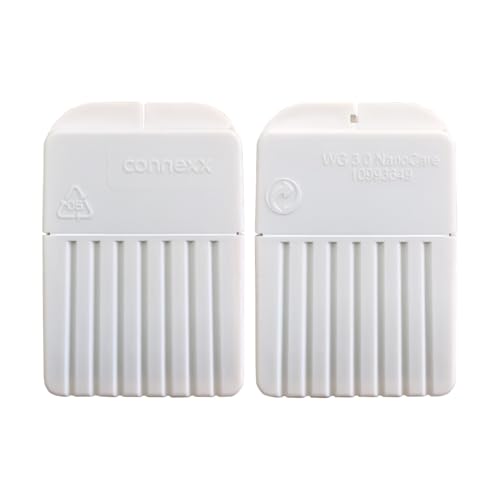
Signia/Connexx Nanocare 3.0 Wax Guards (40 Filters)

Signia 2.0 MiniReceiver Wax Guards 5-Pack

Signia 2.0 Mini Receiver Wax Guards 10-Pack

Hearing Aids for Seniors with UV Cleaning

ELEHEAR-Beyond OTC Hearing Aids with AI Noise Cancellation
Why These Options Stand Out
I keep coming back to the TrueEQ Analog Hearing Aids because they lean into the opposite of everything digital. There’s no app to pair, no firmware update to dread, and no mode-switching menu to memorize. You turn the unit on, nudge the volume wheel, and the world sounds louder right away.
The trade-off is real, though. Analog amplification (a continuous electrical boost rather than a digitally processed one) doesn’t filter voices out from background noise the way modern devices do, so a busy restaurant can feel overwhelming. For someone in a quiet home setting who just wants TV and conversations easier to follow, this is the most approachable entry point on the list.
A Few Highlights
- One-knob operation removes the learning curve for first-time wearers.
- Pure analog signal gives a natural sound character many listeners describe as warm and uncolored.
- No batteries to charge, no apps to update, no pairing headaches.
- Ships with multiple ear tip sizes for a more personalized fit.
Trade Offs
- Lacks digital noise reduction, so crowded spaces may feel muddled.
- No directional microphones, which limits clarity in group settings.
- Analog circuitry can be sensitive to moisture and earwax buildup; routine cleaning matters more here than with sealed digital units.
Who Will Love This
Best suited for someone who wants hearing help without any technology learning curve, particularly at home where the sound environment is fairly predictable.
Look Elsewhere When
Anyone who spends time in restaurants or family gatherings should consider the ELEHEAR-Beyond OTC Hearing Aids, since their AI-driven noise reduction handles crowded rooms more confidently.
The WGZSVE Rechargeable Hearing Amplifier takes the analog simplicity of the TrueEQ and adds modern conveniences on top. A 16-channel digital chip handles the sound processing, and the rechargeable case means no fumbling with coin-cell batteries at 7 a.m.
Where this one earns its spot is the all-day wear case. Anyone who forgets to stock batteries or has arthritis in their fingers benefits enormously from drop-in charging. The intelligent noise cancellation is a step up from analog-only devices, though in very loud spaces it may still feel less surgical than higher-end prescription units.
Key Advantages
- Rechargeable case removes the recurring cost and hassle of disposable batteries.
- Multi-channel digital processing offers clearer speech pickup than analog-only picks on this list.
- Smart noise filtering aims at speech frequencies, which helps in moderately busy environments.
- Designed for extended daily wear, which suits working adults and active seniors alike.
Points To Keep In Mind
- Noise cancellation is solid for the category but won’t match the precision of prescription-grade units.
- Fit varies by ear canal shape; expect a short adjustment period to land on the most comfortable tip.
- Charging case adds bulk compared to coin-cell models, so travelers may need a dedicated pocket.
Right Fit For
This works best for someone who wants rechargeable convenience and improved speech clarity over a basic analog device, particularly retirees who wear hearing aids from morning until dinner.
Swap It Out When
If sanitizing matters as much as sound quality, the Aimsumy Hearing Aids with Automatic UV Cleaning offer a built-in hygiene routine that this model doesn’t provide.
Switching gears: the Nanocare 3.0 wax guards aren’t a hearing aid, they’re an accessory. But they’re the kind of low priced support product that keeps a more expensive device working properly. Wax guards are tiny filters that sit at the speaker end of a receiver-in-canal hearing aid, blocking earwax and debris before they reach the electronics.
Jungle Care builds these specifically for the Signia/Siemens/Connexx 3.0 Mini Receiver and Mini Tubes, plus the Sony CRE-C20. They won’t fit the Signia 2.0 line covered later in this list, so compatibility check matters. Nanocare is the brand name Signia uses for its nano-coated wax filters, which the manufacturer markets as offering enhanced debris protection.
What Helps Most
- Pack of 40 covers several months of typical filter swaps at a budget-friendly price point.
- Nano-coated filter media aims to block finer particles than standard foam guards.
- Direct compatibility with Signia 3.0 Mini Receivers removes the guesswork from ordering.
Where It May Fall Short
- Strictly model-specific: owners of Signia 2.0 or other brand receivers should pick a different pack.
- Replacement requires a steady hand and good lighting; not ideal for those with significant dexterity issues.
Made For
Owners of Signia 3.0 Mini Receiver or 3.0 Mini Tube hearing aids who want to maintain sound quality and extend device life without a trip to the audiologist.
Consider Something Else When
Anyone using the Signia 2.0 Mini Receiver system needs the matching wax guards further down this list, since Nanocare 3.0 filters will not physically seat in that receiver.
Stepping from the 3.0 line to its predecessor, this 5-pack of Signia 2.0 MiniReceiver wax guards (often labeled Cerumen Stop filters) handles the same maintenance job but for an earlier generation of hearing aids. The 5-pack count of 40 individual filters is a smart starter size for someone who just wants to test fit before committing to a larger supply.
The catch is that Signia 2.0 receivers have a slightly different geometry than the 3.0 Nanocare system, so these filters cannot be swapped between the two. Anyone who already uses the Sony C10 or E10 OTC hearing aids should know these guards are listed as compatible with those devices too, which broadens their appeal.
Advantages To Know
- Smaller pack count keeps upfront cost low for newcomers to filter replacement.
- Direct fit for Signia 2.0 Mini Receivers and listed compatibility with Sony C10 and E10 models.
- Cerumen barrier design helps prevent the muffled sound that comes from clogged receivers.
Honest Caveats
- Not interchangeable with the Signia 3.0 Nanocare filters covered in the previous review.
- Replacement tools aren’t always included, so a separate applicator may be required.
Whose Shelf It Belongs On
A good match for first-time Signia 2.0 owners who want to try filter maintenance without buying a long-term supply upfront.
A Better Fit Elsewhere
Anyone who already knows they replace filters monthly and wants fewer reorders should step up to the 10-pack version of the same product covered next.
The 10-pack doubles the filter count to roughly 80 individual guards at a lower per-filter cost. Same Signia 2.0 Mini Receiver compatibility as the 5-pack above, just a longer runway between reorders. For long-term wearers, the bulk math usually makes sense.
Storage is the only thing worth thinking through. Filters don’t degrade quickly, but keeping them in a bathroom drawer near shower steam can shorten their usable life. A bedside table or dresser drawer works better for most households.
Everyday Perks
- Larger count reduces reorder frequency, which suits steady daily wearers.
- Per-filter cost typically drops compared to the smaller 5-pack sibling.
- Same trusted compatibility with Signia 2.0 Mini Receivers and Sony C10/E10 OTC models.
Small Caveats
- Higher upfront spend than the 5-pack, which may not suit one-time or trial shoppers.
- Same model-specific limitation: only fits 2.0 receivers, not 3.0 Nanocare.
Key Specs
Best Suited To
Long-term Signia 2.0 wearers who know they replace filters every few weeks and prefer fewer orders over a lower entry cost.
Skip It When
Anyone using the newer Signia 3.0 Mini Receiver should look at the Nanocare 3.0 filter pack instead, since the two systems aren’t cross-compatible.
The Aimsumy model stands out for a reason most spec sheets bury in the fine print: its charging case runs an automatic UV cleaning cycle every time the aids dock. UV-C light in the 200–280 nanometer range is the wavelength commonly used to reduce bacteria and fungi on small surfaces, though manufacturers differ in how aggressively they market the germ-killing claim.
For anyone who handles their hearing aids with unwashed hands, sweats heavily, or lives in a humid climate, that built-in hygiene step is genuinely useful. Digital sound processing helps lift speech clarity in casual conversations, and the take-out-and-wear design removes the learning curve that often frustrates first-time users.
A Strong Showing
- Automatic UV cleaning in the case reduces the manual wipe-down routine.
- Rechargeable battery design avoids the small coin-cell cost that adds up over time.
- Simplified one-piece design lowers setup friction for first-time wearers.
Some Limits To Know
- UV cycle lengthens charging time compared to non-sanitizing cases.
- Sound processing is solid for everyday use, but audiophiles and severe loss cases may want more configurable options.
Perfect Match For
Seniors or caregivers who want a single charging dock that handles both power and basic hygiene without extra steps.
Not Your Match When
Anyone wanting the most advanced noise reduction for very loud restaurants should consider the ELEHEAR-Beyond OTC Hearing Aids, which lean harder into AI-driven sound shaping.
Closing out the roundup, the ELEHEAR-Beyond is the most technology-forward pick. The brand advertises 50dB of peak amplification with VocClear AI Technology, an on-device algorithm that aims to lift speech frequencies while suppressing background noise. Four listening scene modes let wearers switch profiles for restaurants, outdoor walks, quiet rooms, and TV viewing.
This is the choice for someone who treats hearing aids like a small audio device rather than a medical afterthought. The Champagne Gold finish is understated, and the rechargeable case is portable enough for travel. For mild to moderate hearing loss, the combination of amplification headroom and adaptive noise reduction feels meaningfully more capable than the analog first pick.
The Practical Payoff
- AI-assisted noise reduction handles shifting sound environments better than fixed-profile devices.
- Multiple scene modes let wearers tune the sound character without an app.
- Rechargeable battery keeps daily routines simple for travel and commuting.
- Discreet Champagne Gold finish looks more like a consumer gadget than a medical device.
Where Another Pick Suits Better
- Higher learning curve than the TrueEQ’s single-knob design, which may frustrate very technophobic users.
- AI features depend on the device’s internal processing, so firmware updates may occasionally change behavior over time.
Who Should Grab It
Anyone with active social or professional life who needs better speech clarity in restaurants, meetings, and other dynamic environments, and who doesn’t mind toggling between listening modes.
Reach For A Different Pick When
For listeners who never leave a quiet living room and prefer absolute simplicity, the TrueEQ Analog Hearing Aids deliver hearing help without any scene modes or settings to manage.
What Matters Most Before Choosing Low Priced Hearing Aids
Start by matching the device to the wearer’s hearing profile rather than the budget alone. OTC hearing aids are designed for mild to moderate loss, so anyone with sudden changes, severe loss, or single-sided deafness should see an audiologist first for a proper audiogram (a formal hearing test that maps out which frequencies you struggle with).
Consider the sound environment where the device will spend most of its time. Quiet home users benefit from analog simplicity or basic digital models, while active social calendars usually justify AI noise reduction and multiple listening modes. Battery type matters more than people expect: rechargeable units add convenience, but disposable-battery models keep going through power outages and long trips.
Fit and comfort drive consistency. A device that irritates the ear canal after two hours will end up in a drawer. Look for multiple ear tip sizes, lightweight shells, and receiver styles that match the wearer’s ear shape.
Finally, think about long-term upkeep. Wax guards and replacement tips are the recurring cost that nobody mentions in the first month, so plan a small annual budget for accessories if the chosen hearing aid uses them.
Key Considerations Across These Picks
Where Shoppers Go Wrong
The biggest trap in the low priced hearing aid market is treating the lowest-priced option as a universal answer. Analog-only devices suit quiet homes but fail in restaurants, while feature-heavy AI models overwhelm users who just want the TV turned up. Skipping the fit check is another common slip; a hearing aid that hurts after thirty minutes won’t get worn, no matter how good its spec sheet looks.
The Upgrade Payoff
Spending more in this category generally buys better noise management, rechargeable convenience, and hygiene features like UV cleaning. For someone who wears hearing aids eight or more hours a day, those upgrades pay back in comfort and consistency. For occasional or backup use, a basic model usually covers the job without the extra investment.
Frequently Asked Questions
Do low priced hearing aids actually work? For mild to moderate hearing loss, modern OTC hearing aids can meaningfully improve speech clarity and TV listening. They won’t match the precision of custom-programmed prescription units, but the gap has narrowed considerably over the past few years.
How long do rechargeable hearing aid batteries last? Most rechargeable hearing aids deliver a full day of typical use on one overnight charge, though streaming, heavy amplification, and UV cleaning cycles can shorten that window.
Are hearing amplifiers the same as hearing aids? The FDA classifies hearing aids as medical devices designed to compensate for hearing loss, while amplifiers simply make all sound louder. OTC hearing aids fall on the medical-device side; generic amplifiers on the cheaper side of this list may not.
What are wax guards used for? Wax guards are tiny replaceable filters at the speaker end of receiver-in-canal hearing aids. They block earwax and debris from reaching the electronics, and swapping them monthly keeps sound quality consistent.
Can I use hearing aids without seeing an audiologist? OTC hearing aids are designed for self-fitting without a prescription or professional appointment. Anyone with sudden hearing changes, ear pain, or drainage should still see a clinician before buying any device.