


Pairing hearing tech with an iPhone used to mean awkward clip-on accessories. Today, a handful of direct-streaming and Bluetooth-equipped devices let calls, music, and app controls flow straight to your ear. The trick is matching the format to the person, not the spec sheet. I pulled together six options that handle the iPhone pairing problem from different angles: in-ear aids with companion apps, dedicated cleaning tools, an amplified ringer for missed calls, and behind-the-ear models with digital processing. Each one solves a slightly different frustration, and each one earns its spot for a specific kind of user.
Your Options, Compared
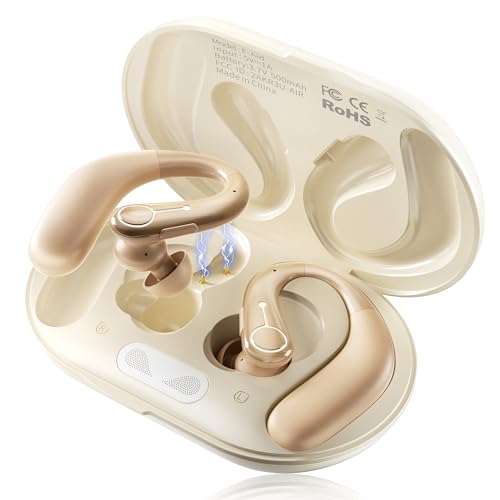
Saliryj Rechargeable Bluetooth Hearing Aids with App Control

Midukit Premium Hearing Aid Cleaning Kit for Oticon Phonak
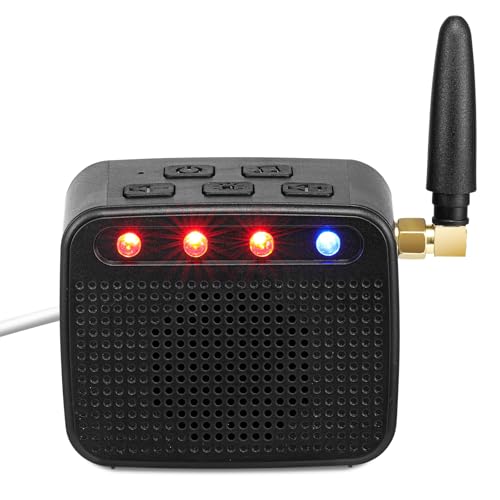
Earpanda External Bluetooth Phone Ringer Amplifier 120dB

ELEHEAR-Beyond OTC Hearing Aids with 50dB AI Noise Cancellation

ELEHEAR-Beyond Pro OTC Hearing Aids with Bluetooth Streaming
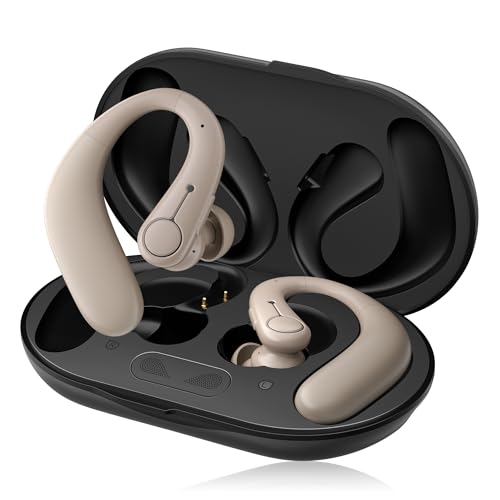
TTQ Behind-the-Ear Bluetooth Hearing Aids for Seniors
The Saliryj pair pulls double duty in a way that matters for anyone whose iPhone is the center of their day. Instead of treating amplification as a standalone function, it folds in a Bluetooth mode for calls and audio, then hands the rest to a companion app for fine-tuning. The rechargeable setup means no fumbling with coin cells at the kitchen table.
It’s the kind of device I think works best for a person testing the iPhone-pairing waters for the first time. Compared with the Midukit cleaning kit that follows, this is the actual gear; Midukit is the maintenance side of the routine. You get one device that handles streaming, calling, and personalized sound profiles without forcing a complicated fitting appointment.
What Makes Sense
- Dual-mode design combines hearing amplification with iPhone call and music streaming in one shell.
- Companion app lets you shape volume and tone from the phone screen, which is easier than tiny onboard buttons.
- Rechargeable battery removes the weekly cost and hassle of disposable cells.
- Useful for someone whose phone is also their TV remote, music player, and lifeline to family group chats.
Things To Consider
- Like most in-ear amplification devices, expect a learning curve for first-time users figuring out app-based controls.
- Sound shaping depends on the app being paired, so a phone glitch momentarily takes away the ability to fine-tune.
Best Suited To
Older adults stepping into their first iPhone-paired hearing device who want app-level control without a clinical fitting.
A Better Fit Elsewhere
Pick the ELEHEAR-Beyond Pro instead when you want AI-driven noise reduction aimed at noisy restaurants and crowded rooms.
Cleaning kits rarely make headlines, but they quietly decide how long an iPhone-paired hearing device actually lasts. The Midukit set ships with a precision pen, a brush, a spray bottle, and a microfiber cloth, all aimed at the small crevices where earwax and skin oils love to settle. It is built around rechargeable Bluetooth models and explicitly mentions Oticon and Phonak compatibility.
The honest read is that this belongs on the nightstand next to a charging dock. Once you’ve invested in a Saliryj pair or any of the ELEHEAR options further down, you need a way to keep the sound ports clear and the charging contacts corrosion-free. Skipping this step is one of the more commonly reported reasons a Bluetooth pair starts cutting out mid-call.
Where It Excels
- Multi-tool approach handles microphones, sound tubes, charging cases, and ear molds with dedicated instruments.
- Compatibility with rechargeable Oticon and Phonak models covers the most common iPhone-paired prescription lines.
- Spray and cloth protect delicate grilles without pushing debris deeper into the housing.
- A small, contained kit travels easily in a purse or carry-on for vacation use.
Minor Gripes
- Not a hearing device on its own; you still need amplification gear to use it.
- Replacement spray fluid isn’t bundled, so plan to reorder consumables every few months.
Whose Shelf It Belongs On
Anyone already wearing rechargeable Oticon or Phonak hearing aids who wants to extend sound quality between professional cleanings.
Reach For A Different Pick When
Skip this and go straight to the TTQ behind-the-ear option if you don’t yet own any hearing hardware and need an actual device first.
Sometimes the hearing aids are fine, but the phone in the next room is the actual problem. The Earpanda unit sits on a counter and screams when a call comes in, with adjustable volume that climbs to 120 decibels. Four LED strobes add a visual cue for anyone who catches only fragments of a ringtone through the wall.
Auto-reconnect over Bluetooth is the quiet win here: you set it up once and forget it lives on the kitchen counter. For someone whose iPhone is often on silent, this fills the gap between wearing aids and being able to hear a notification from another room.
Positive Takeaways
- Five selectable ringtones and up to 120 dB output cover everything from a quiet apartment to a noisy workshop.
- Four strobing LEDs add a visual alert for hearing situations where even loud rings get missed.
- 150-foot wireless range means the unit can stay in one spot while the phone charges upstairs.
- Bluetooth auto-reconnect removes the daily pairing dance that frustrates many older adults.
Room For Improvement
- Does not amplify speech during the call itself, only the incoming ring.
- Needs its own power outlet, which can clutter a nightstand or kitchen counter.
Built With In Mind
Seniors or hard-of-hearing individuals who keep missing calls because the iPhone sits in another room on silent.
Consider Something Else When
Pick the ELEHEAR-Beyond pair instead if the real frustration is conversation clarity, not ringtone audibility.
Feature Snapshot
The ELEHEAR-Beyond sits in the middle of the line and earns that slot honestly. It delivers 50 dB of amplification through what the brand calls VocClear AI processing, with feedback reduction aimed at the whistling that plagues cheaper OTC options. The four scene modes are the part I’d actually rely on day to day: indoor, outdoor, restaurant, and music each reshape how the microphones treat background noise.
For an iPhone user whose daily life swings between quiet living rooms and loud restaurants, this is the most balanced pairing on the list. Compare that to the Saliryj pair above, which leans on app-based customization; the ELEHEAR relies on preset modes tuned by the onboard processor. Both approaches work, but this one requires less fiddling per outing.
The Good Stuff
- 50 dB amplification handles mild-to-moderate loss without pushing into uncomfortable territory.
- VocClear AI boosts speech and suppresses up to 24 dB of competing background noise.
- Four scene modes cover the most common daily environments without needing app intervention.
- Feedback reduction addresses the whistling issue that often sends first-time wearers back to the box.
Trade Offs
- OTC (over-the-counter) design means no professional audiologist fitting is included.
- Scene modes are preset rather than freely tunable, which limits custom shaping for unusual environments.
Made For
Anyone with mild-to-moderate hearing loss who wants AI-driven clarity across restaurants, family dinners, and quiet evenings at home.
Skip It When
Step up to the ELEHEAR-Beyond Pro if high-frequency detail and lower latency during streaming are deal breakers.
Feature Card
VocClear 2.0 is the headline feature here, and the spec sheet backs it up with high-frequency response up to 8500 Hz and an 8-millisecond streaming latency. That last number matters more than it sounds: anything above roughly 40 ms creates a visible lag between lip movement and amplified voice, which the brain reads as an out-of-sync echo. At 8 ms, video calls and FaceTime conversations feel natural.
The Pro is the natural choice for an iPhone user who watches a lot of video, takes frequent calls, and notices the difference between muffled and articulate speech. Compared to the standard ELEHEAR-Beyond, this version leans harder on streaming clarity and high-frequency detail, the two areas where conversations and music tend to fall apart.
Everyday Perks
- High-frequency extension to 8500 Hz recovers consonants like sibilants and t-stops.
- 8 ms streaming latency keeps video calls and music aligned with lip movement.
- 50 dB amplification with VocClear 2.0 produces noticeably cleaner speech than the previous generation.
- Bluetooth streaming handles iPhone calls, FaceTime, and music without a separate neck loop.
Points To Keep In Mind
- Premium tier pricing reflects the upgraded chipset, so budget-conscious shoppers may find the standard Beyond a smarter fit.
- Latency advantage shows up most clearly during video calls, so the benefit shrinks for someone who mostly streams audio.
Who Should Grab It
Frequent iPhone callers and video-chat participants who want speech that sounds closer to studio clarity than phone quality.
Look Elsewhere When
Choose the Earpanda ringer amplifier instead if the real issue is missing calls, not hearing the people once you’re on the line.
At A Glance
The TTQ pair takes the classic behind-the-ear form factor and packs in a 16-channel digital chip with built-in noise reduction and a feedback suppression system. Whistling is the most common complaint from first-time wearers, and an active suppression circuit is what separates a $30 amplifier from a device people keep wearing past the second week.
For a senior stepping up from a basic personal amplifier to a real iPhone-paired hearing device, this is the most approachable entry point. The behind-the-ear shell is familiar, the Bluetooth pairing is straightforward, and the channel count is enough to shape speech without overwhelming the user with options.
The Upside
- 16-channel digital processing offers more granular tuning than typical 4- or 8-channel amplifiers.
- Active feedback suppression addresses the whistling problem that pushes new wearers back to amplifiers.
- Familiar behind-the-ear shape eases the transition for users who have worn OTC amplifiers before.
- Bluetooth streaming handles iPhone calls and audio without a neck-worn streamer accessory.
Honest Caveats
- Behind-the-ear profile is more visible than in-ear options like the Saliryj pair reviewed earlier.
- Without a published AI scene mode, environmental shifting relies on manual program changes.
Perfect Match For
First-time iPhone-pairing users who want behind-the-ear comfort and clearer speech than a basic amplifier delivers.
Where A Sibling Pick Shines
Move up to the ELEHEAR-Beyond when AI-driven scene switching matters more than the behind-the-ear form factor.
Key Specs
Matching iPhone-Compatible Hearing Aids To Your Real Life
Picking a hearing device that works with an iPhone is less about chasing specs and more about matching the form factor and feature set to the situations that frustrate you most. Someone whose biggest pain point is missing calls from another room needs a different solution than someone struggling to follow conversation in a busy restaurant.
The first thing worth checking is amplification power. Mild loss often feels better with a device rated around 30 to 40 dB, while moderate loss usually needs 50 dB or more to keep speech intelligible without cranking the volume. Both ELEHEAR options and the TTQ pair sit in that 50 dB range, which is why they handle restaurant chatter better than a basic amplifier.
Connectivity matters because the iPhone is where calls, music, FaceTime, and notifications all converge. Bluetooth streaming at low latency, anything below about 40 ms, keeps video calls from feeling awkward. The ELEHEAR-Beyond Pro specifically targets that latency issue with an 8 ms spec, while the Saliryj and TTQ models handle standard audio and call streaming comfortably.
Fit and form factor quietly decide whether someone keeps wearing the device past week one. In-ear shells disappear visually but can feel occluding for new wearers. Behind-the-ear designs like the TTQ are more visible but easier to handle and tend to stay put during long days. Maintenance is the third leg: rechargeable pairs need a cleaning routine, which is exactly where the Midukit kit earns its place.
For a senior testing the waters, the Saliryj pair or the TTQ model both lower the learning curve. For someone with more demanding environments, the ELEHEAR-Beyond Pro pulls ahead on clarity. And for the household ringtone problem, the Earpanda amplifier solves a problem no in-ear device can touch.
What Sets These Picks Apart
Wrong Turns To Avoid
The most common mistake is buying a personal sound amplifier and expecting it to function like a hearing aid. Amplifiers boost everything, including background noise, and they usually lack the feedback suppression that prevents whistling. If speech clarity in noise is the goal, look for a device with multi-channel digital processing and active feedback control.
Another trap is choosing the cheapest iPhone-streaming option without confirming latency. Streaming lag above 40 ms turns video calls into a lip-sync nightmare, and the spec isn’t always front and center. The ELEHEAR-Beyond Pro calls out its 8 ms latency directly; lower-cost pairs often leave it unlisted.
What The Higher Tier Buys
Spending more on the premium tier mostly buys three things: better speech-in-noise algorithms, lower streaming latency, and higher channel counts for finer frequency tuning. The ELEHEAR-Beyond Pro delivers all three, which is why it earns the premium slot.
The upgrade is most justified for someone who spends real time in restaurants, group meetings, or video calls. For a quieter retirement routine, the standard ELEHEAR-Beyond or the TTQ pair covers the essentials without stretching the budget.
Frequently Asked Questions
Do all iPhone-compatible hearing aids support direct audio streaming?
Not all of them. Direct streaming, where calls and music go straight from the iPhone to the hearing aids, requires specific Bluetooth protocols. Most modern OTC pairs on this list handle it, but older prescription models may need an intermediate streamer accessory.
How is amplification measured and what level do I need?
Amplification is rated in decibels (dB), and the right level depends on the severity of hearing loss. Mild loss often needs 30 to 40 dB, while moderate loss typically requires 50 dB or higher. An audiogram (a chart that maps your hearing thresholds across frequencies) gives the most accurate answer, but lifestyle context helps narrow the choice.
Can I control these hearing aids without an app?
Some models, like the ELEHEAR-Beyond, use onboard scene buttons that don’t require an app. Others, like the Saliryj pair, lean on the companion app for fine-tuning. Choose based on whether you prefer physical controls or smartphone-based customization.
How often should I clean rechargeable hearing aids?
A quick daily wipe and a weekly deeper clean with a dedicated kit like the Midukit option is the standard routine. Earwax and skin oils build up fastest on microphone ports and charging contacts, so those areas deserve the most attention.
Will these hearing aids work with iPad and Mac as well?
Most modern Bluetooth-paired hearing aids will connect to any recent Apple device, including iPad and Mac, since Apple’s ecosystem shares Bluetooth pairing across hardware. The exact streaming features may vary by device and iOS version, so check the listing for current compatibility notes.