


Severe hearing loss and persistent tinnitus can quietly reshape daily life, from the dinner table to a walk in the park. I’ve watched older relatives withdraw from conversations not because they stopped caring, but because following speech became exhausting. The right device can change that, lifting voices above the constant hiss of tinnitus without turning every sound into a wall of noise. The four picks below cover different listening priorities, from Bluetooth streaming to remote microphone pickups, so you can match the tool to the situation that matters most at home.
A Fast Comparison Of The Options

TTQ OTC Hearing Aids for Seniors with Bluetooth

Banglijian Ziv-201 Hearing Aid Rechargeable BTE

Convo More Hearing Amplifier with Remote Microphone
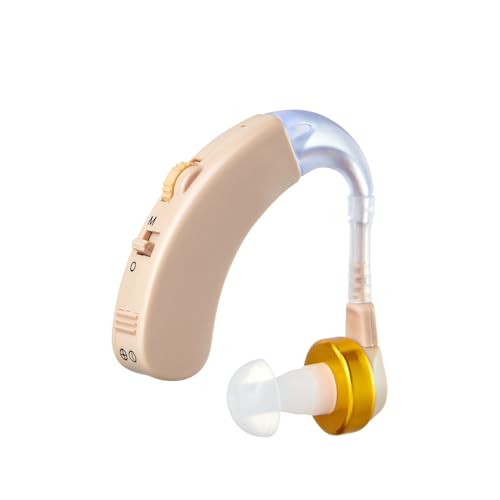
Villear BTE Hearing Aid JH-DW2ET
More On The Choices That Made The List
The TTQ OTC hearing aid pulls double duty as a Bluetooth headset, which makes it a natural fit for anyone who streams phone calls or television audio directly into their ears. Smart noise cancellation targets different frequency bands to lift speech and suppress background noise, and three volume levels let you dial in the right amount of amplification for a quiet living room or a busy restaurant. The 38dB gain lands in the moderate hearing loss range, so it works best when conversations need a lift rather than full restoration.
Charging through a rechargeable case keeps the daily routine simple, and the in-ear design keeps the look fairly discreet. Compared to the Banglijian BTE below, this TTQ sits inside the ear canal instead of wrapping behind it, which some wearers prefer for glasses or mask straps. You may find the ear-tip fit takes a day or two to get used to, especially if you’ve worn behind-the-ear models before.
What Pays Off
- Dual function as a Bluetooth headset cuts down on devices to charge and carry
- Smart noise cancellation separates speech from clatter in crowded spaces
- Three volume levels make quick adjustments easy without an app
- Rechargeable battery removes the cost and hassle of replacement cells
- Discreet in-ear profile suits people who avoid the behind-the-ear look
Things To Consider
- 38dB gain targets moderate rather than profound loss, so severe cases may need more amplification
- Owners commonly report occasional whistling during phone calls if the ear tip shifts
- Smaller form factor can be tricky to handle for those with limited dexterity
Who It Suits Best
Active listeners with moderate hearing loss who want phone calls, music, and TV audio streamed straight to their ears through one device.
Consider Something Else When
Those needing higher amplification for severe loss may prefer the Villear BTE Hearing Aid JH-DW2ET, which delivers a stronger behind-the-ear fit.
The Banglijian Ziv-201 sits behind the ear in a compact BTE shell, the kind of shape that seasoned wearers tend to trust for all-day comfort. A rechargeable lithium battery runs roughly 20 to 24 hours per charge, so it covers a full waking day without a midday top-up. This is a dedicated hearing aid rather than a hybrid device, and that focus shows in the straightforward control layout: one button for power, one for volume, no app required.
The small behind-the-ear footprint suits people who wear glasses or oxygen tubing, since the housing sits lighter than many BTE units. The two-pack pricing also makes it a practical fit for someone whose hearing is uneven between ears, or for a household where two people need amplification. Compared to the TTQ above, this Banglijian skips Bluetooth streaming entirely in favor of pure amplification, which can feel more reliable for users who just want clearer speech and less menu-diving.
What It Does Well
- All-day battery life removes the anxiety of mid-afternoon charging
- Simple physical controls suit users who avoid smartphone apps
- Compact BTE shape works well with glasses and face masks
- Two-unit pack accommodates bilateral hearing loss at one purchase
- No Bluetooth pairing means fewer connection hiccups during use
Trade Offs
- No wireless streaming for TV or phone audio
- Lacks advanced noise classification, so very loud rooms may feel overwhelming
- BTE tube and dome need periodic cleaning to prevent wax buildup
Quick Facts
Right Fit For
Seniors who want a dependable, rechargeable hearing aid without Bluetooth complexity, especially those who already wear glasses.
Look Elsewhere When
Listeners who want a dedicated TV-listening mode should consider the Convo More Hearing Amplifier, which pairs with a remote microphone for distance audio.
The Convo More amplifier from Trihear centers on a wireless remote microphone, which is the standout feature for anyone who struggles to hear the television from across the room or follow one speaker in a noisy group. The mic picks up sound from up to 98 feet away, and the device switches between local listening and remote pickup with a quick toggle. For tinnitus sufferers, the digital noise reduction up to 16 dB helps separate the speech you want from the hum you don’t.
Battery life is genuinely flexible: a 10-minute quick charge delivers about 6 hours of emergency use, while a full 50-minute charge stretches to roughly 24 hours. That fast top-up matters on mornings when you forgot to dock the device the night before. Compared to the TTQ above, this Convo More trades Bluetooth phone streaming for a dedicated remote mic, which is a better fit for households where the television is the main listening challenge rather than mobile calls.
Strengths Worth Knowing
- Remote microphone reaches up to 98 feet, ideal for TV across the room
- Quick-charge delivers 6 hours from just 10 minutes plugged in
- 16 dB digital noise reduction quiets restaurant and family gathering clatter
- Ultra-low latency keeps remote mic audio in sync with lips on screen
- Lightweight ergonomic shell suits extended wear without ear fatigue
Room For Improvement
- Remote mic is a separate piece to keep track of and charge
- Switching between local and remote modes can confuse first-time users
- Higher feature count means a slightly steeper learning curve than the simpler BTE options
Feature Snapshot
Built With In Mind
Households where the television is the hardest listening environment, or anyone who needs to hear one speaker clearly across a noisy room.
Swap It Out When
Listeners who mainly want hands-free phone calls and music should look at the TTQ OTC Hearing Aids, which prioritize Bluetooth audio over a remote microphone.
The Villear BTE hearing aid, model JH-DW2ET, takes the simplest possible approach to amplification, which is exactly what first-time users often need. The light black housing sits behind the ear with a slim tube leading to the ear canal, and the controls stay minimal so there’s almost nothing to learn. For shoppers testing the waters before committing to a custom-fitted prescription device, this is a low-risk starting point.
The build follows the classic BTE template that audiologists have used for decades, which means replacement tubes and domes are easy to source from third-party suppliers. Compared to the Banglijian above, the Villear skips rechargeable lithium in favor of a more traditional power source, so battery changes become part of the routine. For users with steady dexterity who don’t mind swapping cells, that tradeoff keeps the price approachable.
A Few Highlights
- Simple control layout helps first-time users get comfortable quickly
- Behind-the-ear shape fits securely during walks and light activity
- Replacement tubes and domes are widely available from third-party sellers
- Light black color blends with most hair tones for a discreet look
Points To Note
- No Bluetooth or remote microphone capability
- Lacks digital noise classification found in higher-tier models
- Owners commonly report the included ear domes need upgrading for a better seal
- Severe loss cases may need more amplification than this entry-level model provides
Made For
First-time shoppers and those on a tight budget who want basic speech amplification without extra features or app pairing.
Not Your Match When
Anyone needing rechargeable convenience and all-day battery life will get more from the Banglijian Ziv-201, which shares the BTE form factor with longer runtime.
What To Weigh Before Choosing A Hearing Aid For Severe Loss
Severe hearing loss and tinnitus both call for thoughtful matching, because the wrong device can amplify the wrong sounds and leave you more frustrated than before you started. Start with the severity of your audiogram, since over-the-counter (OTC) amplification works well for moderate loss but may fall short for profound cases that benefit from prescription fitting. Then consider where you struggle most: one-on-one conversation, television across a room, phone calls, or noisy restaurants each push different features to the top of the list.
Battery style matters more than most shoppers expect. Rechargeable lithium cells remove the weekly cost of button batteries, but they also tie you to a charging routine, and a dead battery mid-day means silence until you reach a charger. Traditional zinc-air cells keep going as long as you carry spares, which suits travelers and people who forget to dock devices. Comfort is the third pillar, because a hearing aid that pinches behind the ear or pops out of the canal will end up in a drawer within a month. BTE shells distribute weight along the ear, while in-ear models sit lighter but shift more during jaw movement.
Finally, think about the support ecosystem. Look for sellers with accessible return windows, since ear anatomy varies and a perfect spec match on paper can still feel wrong in your ear. Pair the device with realistic expectations: hearing aids improve clarity, but they don’t restore natural hearing, and tinnitus relief usually comes from consistent masking rather than instant silence.
Key Considerations Across These Picks
Where Shoppers Go Wrong
The most common slip is choosing a device based on amplification power alone, since raw gain tells you nothing about how the unit handles noise. A hearing aid that cranks every sound louder can make a noisy restaurant unbearable, so noise reduction quality matters as much as peak volume. Another trap is skipping the return window and assuming discomfort will fade; ear tips and dome sizes often need a swap within the first week, and a generous return policy gives you time to find the right fit.
When Paying More Pays Off
Higher-tier models in this category typically add finer frequency channel tuning, which lets the device shape sound more precisely around your audiogram rather than applying a flat boost. They also tend to include better feedback cancellation, meaning fewer whistling incidents when you hug someone or rest your hand near your ear. For someone with severe loss plus tinnitus, that extra refinement usually translates to clearer speech and less fatigue at the end of a long conversation, which justifies the step up over an entry-level unit.
Frequently Asked Questions
Can OTC hearing aids help with severe hearing loss?
OTC devices work best for mild to moderate loss, so severe cases often need prescription fitting for adequate amplification. Some OTC models still help as a bridge while waiting for a custom device.
Do hearing aids reduce tinnitus symptoms?
Many wearers report tinnitus becoming less noticeable when ambient sound is amplified, since the brain focuses on external audio instead of internal ringing. Consistent daily wear tends to produce the best results.
How long do rechargeable hearing aid batteries last?
Most rechargeable models in this category run 20 to 24 hours per full charge, though streaming and remote microphone use shorten that window. Quick-charge features can buy several hours of use from a short top-up.
Are behind-the-ear styles better than in-ear models?
BTE shells distribute weight across the ear for all-day comfort, while in-ear units sit lighter but may shift during talking or chewing. The best choice depends on ear anatomy and dexterity.
Is a remote microphone worth it for TV listening?
For anyone who watches television across a noisy room, a remote microphone can dramatically improve clarity by placing the mic near the speaker source. It adds a small device to manage, but the audio quality gain is often worth it.