


Plenty of people want earbuds that blend in at the office, on a flight, or during a long commute. The trick is finding gear that delivers real audio without looking like a wearable billboard. I pulled together five options, from stage-ready in-ears to over-the-counter hearing support, that keep a low visual profile while still pulling serious duty.
A Snapshot Of The Selections

CCA CRA in Ear Monitor Headphones Wired Gaming Earbuds
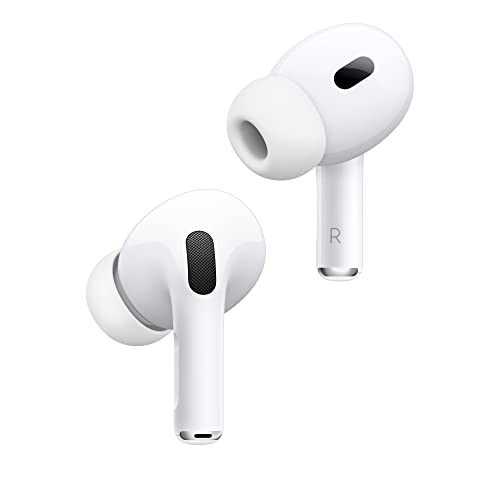
Apple AirPods Pro 2nd Gen MagSafe USB-C (Renewed)

JLab Go Air Pop+ Tones True Wireless Earbuds

ELEHEAR Beyond OTC Hearing Aids AI Speech Enhancement

ELEHEAR Beyond Pro OTC Hearing Aids Bluetooth Rechargeable
Meet The Standout Selections
CCA’s CRA sits firmly in the in-ear monitor camp, where the goal is hearing detail over comfort gimmicks. The shell hugs the concha closely, so the silhouette reads more like a hearing device than a consumer earbud, especially under a hat or behind longer hair.
A detachable, replaceable cable matters more than it sounds. If the cord frays from stage use, you swap it instead of tossing the whole rig. For a singer, drummer, or DJ running through rehearsal sets in tight quarters, that kind of longevity shapes the real-world ownership story.
What Helps Most
- An ultra-thin diaphragm that tracks low-end punch without smearing mid detail.
- A detachable cable design that lets you replace a worn cord rather than the whole set.
- A low-profile shell that sits nearly flush with the ear, easy to hide on camera.
- Dual magnetic circuit tuning that separates vocals from rhythm beds cleanly.
Things To Consider
- The wired connection trades convenience for sound; not ideal for runners who hate cables.
- Without active noise cancellation, loud venues will bleed into the mix.
- Ear tip fit matters a lot for bass response, so plan on experimenting with sizes.
Whose Shelf It Belongs On
Singers, drummers, and stage performers who need monitoring-grade detail in a discreet shell.
Skip It When
The AirPods Pro 2nd Gen (Renewed) is a smarter match for daily commuters who want active noise cancellation out of the box.
Even on the renewed market, the AirPods Pro second generation keeps the same understated visual footprint that made the originals popular. The white stem is short, the tip blends with skin tones in low light, and the case disappears into a pocket.
For a commuter riding a packed subway, active noise cancellation does the heavy lifting. The USB-C MagSafe case also plays nicely with modern cables, so there’s no extra adapter rattling around in your bag.
Standout Benefits
- Active noise cancellation takes the edge off droning engines and HVAC hum.
- Adaptive EQ tunes the sound shape based on how the tips seat in your ears.
- USB-C MagSafe case supports magnetic and cable charging from one port.
- Renewed listing lets you grab the set at a lower outlay than new stock.
- Short stem profile keeps the look subtle in video calls and on stage.
Trade Offs
- Renewed units vary in cosmetic condition, so inspect the case on arrival.
- Sound signature leans bright, which can fatigue long podcast sessions.
Key Product Details
Right Fit For
Daily commuters, frequent flyers, and remote workers who want polished noise cancellation in a compact shell.
Where Another Pick Suits Better
Stage performers get more honest detail from the CCA CRA, especially during long rehearsal sessions.
JLab’s Go Air Pop+ leans hard into practical utility. The buds themselves are small, the case is featherweight, and the silhouette is plain enough to disappear under a hood or cap. For people who lose earbuds like socks, that’s a relief.
An IPX4 rating means sweat and a sudden rain shower won’t kill the set. In a busy gym or on an early-morning dog walk, that splash resistance shapes how confidently you actually use the buds outside.
Positive Points
- Over nine hours per bud means a full workday on one charge.
- IPX4 sweat resistance covers workouts and damp commutes.
- Three EQ presets shift the sound between signature, bass, and balanced profiles.
- Dual Connect lets you run either bud solo for calls or driving directions.
Honest Caveats
- Plastic build feels light, which some shoppers love and others read as cheap.
- No active noise cancellation, so loud transit still leaks in.
- Microphone clarity on calls takes a hit in windy outdoor settings.
Who It Suits Best
Gym-goers, students, and casual listeners who want long battery life without a serious outlay.
Not Your Match When
Seniors wanting hearing support should skip over to the ELEHEAR Beyond, which is built for voice clarity.
The ELEHEAR Beyond reads as a hearing device first, and that is the whole point. The shell sits behind the ear with a thin tube into the canal, much like a clinic-fit hearing aid, so it disappears visually while doing real audio work.
VocClear AI aims at the exact problem older ears struggle with: pulling speech out of background noise. At a family dinner, that translates into fewer “what did you say” moments and more natural conversation flow.
Everyday Perks
- AI-driven speech enhancement focuses on voices over background clatter.
- Maximum gain of 50dB covers mild to moderate hearing loss profiles.
- 24dB noise attenuation softens cafeteria and traffic rumbles.
- OTC design skips the audiologist visit for shoppers who already know their profile.
Points To Note
- OTC hearing aids are not a substitute for clinical fitting in severe loss cases.
- Tube and dome hygiene matters: weekly cleaning prevents wax buildup.
- Sound profile is tuned for conversation, not music, so audiophiles will want a separate pair.
Feature Snapshot
Built With In Mind
Seniors with mild to moderate hearing loss who want clearer conversation in restaurants and family gatherings.
Swap It Out When
The JLab Go Air Pop+ Tones fits active shoppers who just want music and podcasts at a lower outlay.
The Beyond Pro takes the ELEHEAR formula and layers in Bluetooth streaming. For a retiree who wants phone calls, audiobooks, and TV routed straight through the same device, that one-piece approach is genuinely convenient.
VocClear 2.0 pushes speech clarity further, and the ultra-low latency helps when watching video. Lip sync stays tight, so dialogue and mouth movement actually match up.
Advantages To Know
- Bluetooth streaming pushes calls, music, and TV audio through the same unit.
- VocClear 2.0 lifts high-frequency detail up to 8500Hz for crisper consonants.
- 8ms latency keeps video and audio in sync without a noticeable delay.
- Rechargeable battery removes the fiddly routine of swapping coin cells.
- 50dB amplification covers the same mild to moderate hearing loss profile as the standard model.
Factors To Consider
- Bluetooth streaming drains the battery faster than passive hearing mode.
- The companion app requires a smartphone for full tuning access.
- Higher feature load means a steeper learning curve during the first week.
Made For
Active seniors who stream calls and media and want a single device for both hearing support and audio.
Look Elsewhere When
The ELEHEAR Beyond (non-Pro) is a more focused choice for shoppers who only want speech clarity, without Bluetooth extras.
What To Weigh Before Choosing Discreet Audio Gear
The right pick depends on whether you need pure audio or actual hearing support. For music and calls, look at driver type, battery life, and whether the shell sits flush with the concha, the bowl-shaped hollow of the outer ear. A flush fit reads more like a medical device than a consumer earbud.
For hearing support, OTC (over-the-counter) devices target mild to moderate loss and skip the audiologist. Check max gain in dB (decibels), which is the loudest boost the device can deliver, and noise attenuation, which is how much steady background noise the unit actively reduces. Both numbers shape how a restaurant or family dinner actually sounds.
Comfort and battery shape daily use more than people expect. A 9-hour-per-bud figure covers a full workday, while IPX4 (splash-resistant from any direction) ratings matter for anyone sweating through workouts or caught in rain. For stage performers, detachable cables extend the life of the whole rig.
Key Considerations Across These Picks
Where Shoppers Go Wrong
A common trap is buying consumer earbuds when the real problem is hearing loss. Music-focused earbuds boost bass and treble, which can actually fatigue ears that need mid-range clarity. The honest read is this: match the device to the goal.
Another slip-up is assuming all “small” earbuds disappear visually. In-ear monitors sit deep, while behind-the-ear hearing aids use a thin tube and a tucked shell. The visible footprint differs sharply between the two styles.
When Paying More Pays Off
Higher-tier models in this category typically add AI speech tuning, Bluetooth streaming, or active noise cancellation. For seniors juggling calls and family dinners, the upgrade often pays back in confidence and connection. For casual listeners, a budget pair handles workouts and commutes without the extra cost.